
- Importance of Regular Vet Visits for Healthy Pets
- Preventative Care and What It Involves
- Common Conditions Prevented by Regular Vet Checkups
- How to Prepare for Your Pet’s Vet Visit
Importance of Regular Vet Visits for Healthy Pets
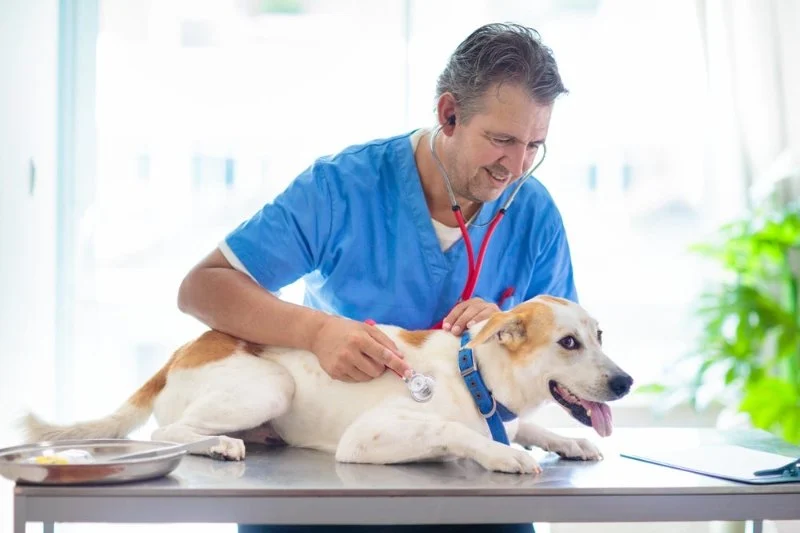
As pet owners, we all want to ensure our furry friends stay healthy and happy. While it's natural to think that a pet who is active, eating well, and showing no signs of illness is perfectly fine, regular vet visits are still essential. Just like humans, pets can have underlying health issues that aren't immediately visible. Regular checkups can help detect these issues early, often preventing serious complications down the road.
Routine visits to the vet also provide an opportunity to build a strong relationship with your pet’s healthcare provider, making it easier to manage your pet’s health in the long term. Even if your pet seems healthy, a vet can assess their overall well-being, administer necessary vaccinations, and keep their medical records up to date.
Preventative Care and What It Involves
Preventative care is a crucial aspect of pet health that often goes overlooked. Just like in humans, preventative measures can significantly reduce the risk of future health problems. Here’s what’s typically involved in a regular vet visit:
- Vaccinations: Keeping your pet’s vaccinations up to date is essential for preventing serious diseases. Your vet will recommend a vaccination schedule based on your pet's age, lifestyle, and risk factors.
- Parasite Control: Regular checkups also involve screenings for common parasites like fleas, ticks, and worms. Your vet will recommend treatments to prevent infestations and ensure your pet stays healthy.
- Dental Health: Oral health is often neglected in pets, but it plays a vital role in their overall health. Regular vet visits help detect dental problems like gum disease or tooth decay, which can lead to serious infections if left untreated.
- Nutrition and Weight Management: Your vet will assess your pet’s diet and body condition to ensure they are getting the proper nutrition. Obesity in pets can lead to many health issues, including joint problems and heart disease.
Common Conditions Prevented by Regular Vet Checkups
While pets might appear healthy, many common conditions can be prevented with regular vet visits. Some of the most frequent health problems that can be detected and prevented include:
- Arthritis: As pets age, they can develop arthritis, which may not be immediately obvious. Early detection during a vet visit can lead to a treatment plan that alleviates pain and improves mobility.
- Heart Disease: Heart issues can develop without any obvious symptoms. Regular checkups allow vets to detect any irregularities in your pet’s heart and take steps to manage the condition.
- Kidney Disease: Kidney problems are common in older pets. A vet checkup can include blood tests to check for early signs of kidney dysfunction, which can be managed more effectively when caught early.
- Diabetes: Diabetes is increasingly common in pets, especially those that are overweight. A regular checkup includes blood work that can detect early signs of diabetes, allowing you to manage the condition with diet and medication.
How to Prepare for Your Pet’s Vet Visit
Preparing for a vet visit can make the experience less stressful for both you and your pet. Here’s how you can ensure the visit goes smoothly:
- Bring Medical Records: If it’s your pet’s first visit or a checkup with a new vet, bring their medical records to ensure the vet has all the necessary information about their health history.
- Write Down Questions or Concerns: Think about any questions or concerns you have regarding your pet’s health before the visit. Whether it’s about diet, behavior, or health changes, write it down to ensure you don’t forget anything.
- Prepare for the Exam: Some pets can be anxious during vet visits, so try to keep them calm before you arrive. Bring their favorite toy or blanket to help comfort them during the visit.
In conclusion, regular vet visits are vital for ensuring your pet’s long-term health and happiness. Even if your pet appears healthy, a checkup provides an opportunity to prevent problems before they arise and maintain their well-being. By following the steps outlined in this article, you can help your pet live a longer, healthier life.
If you’re looking for more advice on pet health or need the right products for your pet’s care, visit Brothers Pets to find expert recommendations and products that will keep your pets in tip-top shape.



 Mountain Top Canine Rehab5.0 (1 reviews)
 Allied Partners Veterinary Emergency Service4.0 (13 reviews)
 Petco4.0 (924 reviews)
 Oley Valley Animal Clinic4.0 (1148 reviews)
 Central Animal Hospital4.0 (213 reviews)
 WellHaven Pet Health Lone Tree4.0 (303 reviews)
 How to Help Your Pet Cope with Anxiety During Vet Visits: Tips for Stress-Free Trips
 How to Improve Your Pet’s Mental Health with Enrichment Activities
 How to Spot and Treat Allergies in Cats and Dogs: A Comprehensive Guide
 Expert Advice on Pet Fitness for American Families
 How to Recognize and Treat Common Pet Injuries - Expert Guide
 The Dos and Don'ts of Veterinary Advice: Protecting Your Pet with Confidence