
Preventing Bladder Infections in Cats with Proper Diet
Bladder infections are a common issue among cats, and they can cause significant discomfort and health risks. For pet owners in the U.S., knowing how to prevent bladder infections in cats is crucial for maintaining their health and well-being. One of the most effective ways to prevent these infections is through a proper diet. In this article, we’ll explore the role of nutrition in bladder health and provide tips on feeding your cat to reduce the risk of bladder infections.
- 1. Importance of Hydration
- 2. Choosing the Right Cat Food
- 3. Avoiding Risky Ingredients
- 4. Treating Existing Conditions
1. Importance of Hydration
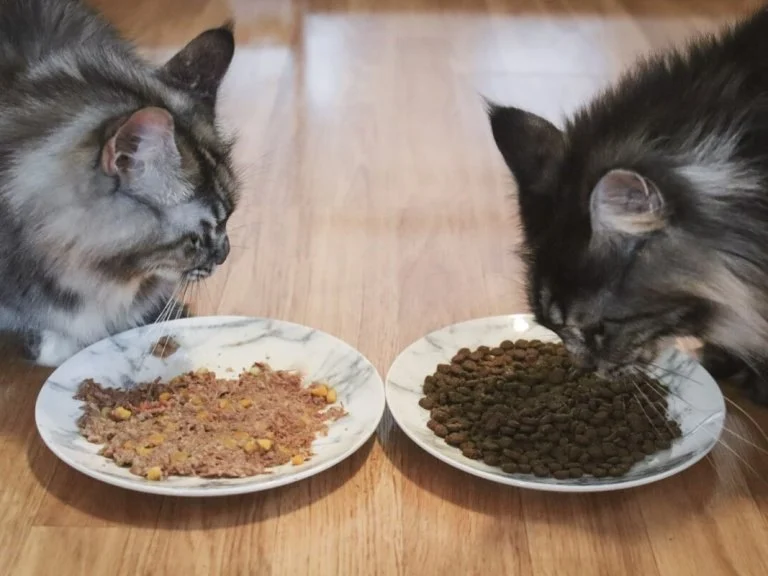
One of the primary causes of bladder infections in cats is dehydration, which leads to concentrated urine that can irritate the urinary tract and cause infections. Ensuring your cat is well-hydrated is a key preventive measure. Cats, especially those on dry food, are at risk of not drinking enough water. To encourage hydration, consider offering wet food or providing a cat water fountain. The sound of running water often encourages cats to drink more.
2. Choosing the Right Cat Food
When it comes to preventing bladder infections, the type of cat food you choose plays a significant role. High-quality, balanced food that promotes urinary tract health is essential. Look for foods with lower magnesium and phosphorus levels, as these minerals can contribute to the formation of urinary crystals. Additionally, special diets formulated for urinary health, such as those designed to maintain a slightly acidic urine pH, can help prevent bladder infections.
3. Avoiding Risky Ingredients
Some ingredients in commercial cat food can irritate the urinary tract and increase the risk of infections. For example, high levels of carbohydrates or fillers like corn and wheat can lead to inflammation in the bladder. Cats are obligate carnivores, so they thrive on a protein-based diet. Look for foods with real meat as the first ingredient and avoid excessive grains or artificial additives. A grain-free or limited-ingredient diet may also benefit cats prone to bladder issues.
4. Treating Existing Conditions
If your cat has already experienced a bladder infection or is prone to urinary tract issues, it’s important to address underlying conditions. Cats with obesity, diabetes, or kidney disease are at higher risk for bladder infections. Regular vet visits are essential for monitoring your cat’s overall health and addressing any conditions that could affect urinary health. In some cases, your vet may recommend specific supplements or prescription diets to support bladder health and prevent infections.
In conclusion, preventing bladder infections in cats is largely about maintaining a proper diet and ensuring your pet is well-hydrated. By choosing high-quality food, promoting hydration, and avoiding risk factors, you can significantly reduce the chances of bladder infections and ensure your cat stays healthy. If you’re unsure about the best diet for your cat, consult your vet for personalized recommendations. For more tips on keeping your pet healthy, visit Brothers Pets.






 Tribby’s Hill High Animal Hospital4.0 (322 reviews)
 Noah's Ark Animal Clinic of Ft. Wright4.0 (895 reviews)
 Bond Vet - Capitol Hill4.0 (159 reviews)
 Barnes Lake Veterinary Center4.0 (83 reviews)
 Disco Dog5.0 (2 reviews)
 El Granero Pet Shop4.0 (1795 reviews)
 Beginner's Guide to Pet Behavior: Understanding Your Furry Friend
 Tips for Teaching Puppies Basic Commands at Home: A Beginner's Guide
 How to Prevent Tick-Borne Diseases in Cats
 How to Care for Exotic Pets: Tips for Special Pet Owners
 How to Protect Your Pet’s Paws from Extreme Weather Conditions
 How to Safely Introduce Your Dog to Swimming - Expert Tips for Pet Owners