
- Understanding Exotic Pets
- Choosing the Right Exotic Pet
- Proper Habitat and Environment
- Feeding Your Exotic Pet
- Health Care for Exotic Pets
- Common Challenges in Exotic Pet Care
Understanding Exotic Pets
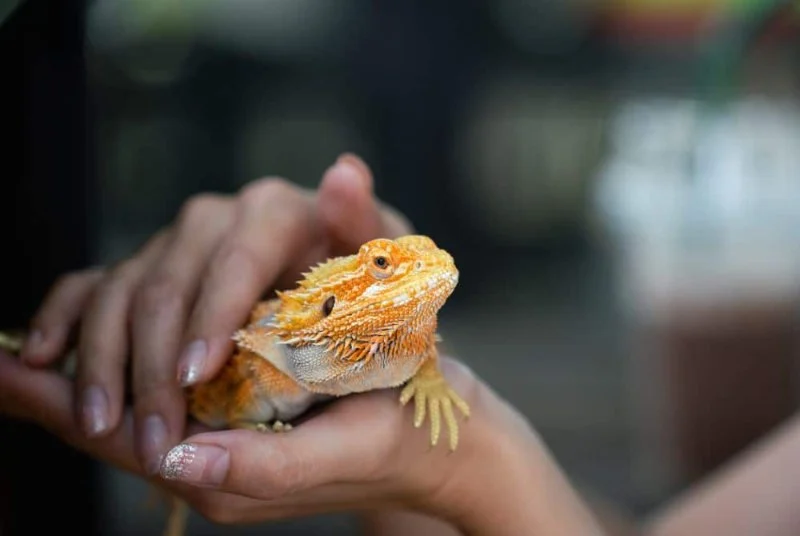
Exotic pets are animals that are not commonly kept as pets but are still loved by many special pet owners. These pets can range from reptiles like snakes and lizards to birds, amphibians, and even small mammals. Unlike traditional pets like cats and dogs, exotic pets often require unique care and attention to ensure they remain healthy and happy. Understanding the needs of exotic pets is the first step in providing them with the best care possible.
Exotic pets are fascinating and diverse, but they come with responsibilities that potential pet owners must understand before bringing them into their homes. This article will explore essential care tips to help you give your exotic pets a fulfilling and comfortable life.
Choosing the Right Exotic Pet
When selecting an exotic pet, it is important to consider various factors such as the pet's habitat needs, lifespan, and temperament. Here are some key considerations:
- Research the species: Make sure to thoroughly research the species you are interested in. Different exotic pets have vastly different needs when it comes to their environment, food, and care requirements.
- Compatibility with your lifestyle: Some exotic pets are more active and require daily attention, while others may thrive with minimal interaction. Choose a pet whose needs align with your daily schedule and home environment.
- Legal considerations: Before purchasing an exotic pet, check your local regulations. Some exotic pets may require special permits, and certain species may be illegal to own in specific areas.
- Consult an expert: If you're unsure about which exotic pet is best for you, consider speaking with an exotic pet expert or a veterinarian who specializes in exotic animals for personalized advice.
Proper Habitat and Environment
Creating the right environment for your exotic pet is essential for its well-being. Each species has specific habitat requirements that need to be met. Here’s how to set up an ideal living space:
- Size of the enclosure: The enclosure should be spacious enough to accommodate your pet's natural behaviors. For example, reptiles may need more floor space for crawling, while birds may require higher perches for flying.
- Temperature and humidity control: Many exotic pets, especially reptiles and amphibians, require specific temperature and humidity levels to thrive. Use heat lamps, humidity gauges, and thermometers to monitor these factors.
- Enrichment items: Provide toys, climbing structures, and hiding spots to stimulate your pet’s mind and encourage natural behaviors. Exotic pets often need more than just food and water to stay mentally healthy.
Feeding Your Exotic Pet
Feeding exotic pets can be a bit more complex than feeding traditional pets. Depending on the species, exotic pets may have specialized diets. Here’s what you need to know:
- Species-specific diets: Different animals have different dietary needs. For example, herbivorous reptiles require fresh vegetables, while carnivorous reptiles may need insects or small animals. Make sure to provide the appropriate diet based on your pet’s natural eating habits.
- Supplementation: Many exotic pets may need vitamin and mineral supplements, especially if they are not getting the right nutrients from their food. Research or consult with a veterinarian about any necessary supplements.
- Feeding schedule: Some exotic pets, like snakes, may only need to be fed once every few days, while others, like certain birds, may need multiple feedings each day. Be consistent with feeding schedules to prevent overfeeding or underfeeding.
Health Care for Exotic Pets
Exotic pets require regular health care, including check-ups with a veterinarian who specializes in exotic animals. Here's how to maintain your pet’s health:
- Regular vet visits: Exotic pets should see a veterinarian at least once a year. A vet experienced in exotic animal care can check for any potential health problems and provide advice on diet and habitat improvements.
- Parasite control: Just like other pets, exotic pets can be susceptible to parasites. Regular treatments for external and internal parasites may be necessary, depending on the species.
- Behavioral health: Exotic pets can suffer from stress or boredom if their environment or diet is not appropriate. Monitor their behavior and make changes to their environment or routine if necessary.
Common Challenges in Exotic Pet Care
While exotic pets can be incredibly rewarding, they also come with unique challenges. Some common difficulties include:
- Specialized care needs: Many exotic pets have very specific environmental and dietary requirements, which can be difficult for new owners to manage.
- Higher costs: Exotic pet care can be more expensive than caring for traditional pets due to specialized equipment, food, and veterinary services.
- Limited access to pet care: Not all veterinarians are equipped to care for exotic pets, which may require traveling long distances to find a specialist.
However, with proper research, patience, and dedication, you can successfully care for your exotic pet and provide them with a healthy, fulfilling life. For more tips on caring for exotic pets and recommended products, visit Brothers Pets.






 Covetrus3.0 (319 reviews)
 Midway Veterinary Hospital4.0 (948 reviews)
 Ortega Animal Care Center4.0 (111 reviews)
 Hudson Veterinary Clinic4.0 (634 reviews)
 Animal Medical Center4.0 (428 reviews)
 Linganore Veterinary Clinic4.0 (87 reviews)
 What Every Pet Owner Should Know About Puppies & Kittens in the US
 Understanding Canine Skin Allergies and Treatments for Healthier Dogs
 Best Dog Breeds for Active Families with Kids: Top Picks for Adventure
 How to Choose the Best Diet for Your Pet’s Age and Health Needs
 How to Care for Your Pet's Eyes and Ears
 How to Manage Your Pet’s Anxiety During Vet Visits