
- bringing-home-puppies-and-kittens-for-the-first-time
- nutrition-and-diet-guidance-for-young-pets
- health-checks-and-vaccine-basics
- early-training-and-socialization-essentials
- real-stories-from-us-pet-owners
- trusted-resources-for-pet-owners-in-the-us
1. Bringing Home Puppies and Kittens for the First Time
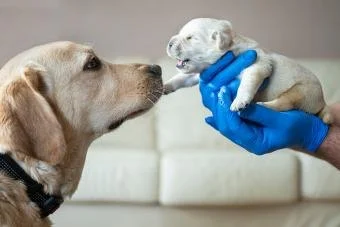
Welcoming a new puppy or kitten into your home is a thrilling milestone. But with all that cuteness comes big responsibility. One of the most important things every pet owner should know about puppies & kittens is how to prepare your home for their arrival. From setting up a cozy crate or pet bed to puppy-proofing dangerous cords and kitten-proofing high ledges, safety and comfort come first.
Experts also recommend slowly introducing your young pet to the household. Use a designated “safe room” in the beginning and allow them to explore gradually, so they don't get overwhelmed. This is especially true in busy homes with kids or other pets.
2. Nutrition and Diet Guidance for Young Pets
2.1 Choosing the Right Food
Young pets have very specific nutritional needs. Puppies require food rich in DHA for brain development, while kittens need high-quality protein and taurine. Skipping on proper nutrition early on can impact long-term health and growth. Avoid feeding your new pet human food or adult pet formulas unless advised by a vet.
2.2 Feeding Schedule Tips
Feeding on a schedule rather than free-feeding can help create good habits. Most veterinarians recommend 3-4 small meals daily for puppies and kittens under six months. Use age-appropriate bowls and monitor for signs of allergies or upset stomach. Transition food gradually if switching brands or protein sources.
3. Health Checks and Vaccine Basics
3.1 Initial Vet Visits
All puppies and kittens should see a veterinarian within the first week of adoption. During this visit, your vet will check for parasites, assess weight and development, and begin the essential vaccination schedule. Common vaccines include rabies, distemper, and feline leukemia, depending on the species and your location in the US.
3.2 Preventative Care Plans
In many cases, setting up a wellness plan with your vet can help keep vaccinations, spay/neuter procedures, and microchipping on track. Dental checkups and flea/tick preventatives are also crucial—yes, even for indoor cats.
4. Early Training and Socialization Essentials
4.1 Housebreaking Puppies
House training is one of the most important (and sometimes most frustrating) parts of early puppy care. Consistency is key—take them out every two hours, use positive reinforcement, and never punish accidents. Crate training can be a helpful tool if used correctly.
4.2 Socializing Kittens and Puppies
Expose your young pet to different environments, people, and other animals early on. Enrolling in puppy classes or having gentle, controlled playdates for kittens helps prevent behavioral issues like fear and aggression down the line.
5. Real Stories from US Pet Owners
When Jenna from Portland adopted her rescue kitten Maple, she was surprised by how shy and fearful she was. By using scent-based play, soft talking, and patience, Maple now snuggles in her lap daily. Similarly, Kevin from Chicago adopted a Labrador puppy and faced major challenges with chewing and hyperactivity. After connecting with local trainers and changing his approach to structured playtime, his dog is now both active and well-mannered.
These examples show how real commitment and the right knowledge can completely change the pet parenting journey.
6. Trusted Resources for Pet Owners in the US
New pet owners often don’t know where to start. That’s why Brothers Pets exists—to provide reliable, expert-backed pet products, training tools, and health essentials tailored to young pets. From teething toys to grain-free starter foods and crate accessories, they offer everything a new pet parent needs to start off strong.
You’ll also find access to community forums, vet Q&A sessions, and guides based on breed-specific insights. Because when it comes to raising puppies and kittens, the right support makes all the difference.






 Gentle Care Animal Hospital at Ten Ten4.0 (146 reviews)
 Carter Pet Hospital4.0 (563 reviews)
 Angelus Pet Hospital4.0 (211 reviews)
 Bellevue Animal Hospital4.0 (234 reviews)
 Osceola Veterinary Service4.0 (315 reviews)
 Animal Hospital of Tampa Bay4.0 (490 reviews)
 Understanding Pet Obesity: Causes, Risks, and Prevention
 Tips for Preventing Hairballs in Long-Haired Cats: Grooming, Diet, and Care
 The Ultimate Guide to Pet Fitness
 The Ultimate Guide to Pet Behavior: Understanding and Training Tips
 How to Make Your Home Safe for Senior Pets: Practical Tips and Advice
 How to Choose the Right Pet Products for Your Pet's Needs