
How to Provide Proper Care for Pets with Allergies
- Understanding Pet Allergies
- Common Symptoms of Allergies in Pets
- Steps to Manage Pet Allergies
- Treatment Options for Pets with Allergies
- Real-Life Experiences of Pet Owners with Allergies
1. Understanding Pet Allergies
Just like humans, pets can suffer from allergies. Whether your pet has skin allergies, food allergies, or seasonal allergies, it's essential to understand the cause of their discomfort so you can provide the best care possible. Allergies in pets are an immune system response to a substance (allergen) that the body mistakenly believes is harmful. These allergens can range from pollen and dust mites to certain foods or materials.
Identifying the source of your pet’s allergies can be challenging, but with careful observation and the help of a veterinarian, you can pinpoint the triggers and manage the symptoms effectively. Proper care for pets with allergies not only involves treating symptoms but also making lifestyle and environmental adjustments to ensure your pet remains comfortable.
2. Common Symptoms of Allergies in Pets
The symptoms of allergies in pets can vary depending on the type of allergy they are experiencing. Some of the most common signs that your pet may have an allergy include:
2.1 Itchy Skin
One of the most common signs of allergies in pets is itchy, irritated skin. Pets with allergies often scratch, bite, or lick their skin excessively, leading to hair loss, redness, or even sores. If your pet is constantly scratching or seems to be in discomfort, they may be dealing with an allergy.
2.2 Ear Infections
Frequent ear infections are another common sign of allergies, particularly in dogs. Allergies can cause inflammation in the ears, leading to infections that result in itching, odor, and discharge. If you notice your pet shaking their head or scratching their ears excessively, it’s important to consult a vet.
2.3 Digestive Issues
Some pets with food allergies may experience digestive issues such as vomiting, diarrhea, or loss of appetite. If you suspect your pet’s allergies may be food-related, consider eliminating certain ingredients from their diet to see if their symptoms improve.
2.4 Respiratory Symptoms
Pets with seasonal allergies may show respiratory symptoms such as sneezing, coughing, or watery eyes. These symptoms are particularly common during allergy season when environmental allergens like pollen are high.
3. Steps to Manage Pet Allergies
Once you’ve identified the symptoms and potential allergens causing your pet’s discomfort, it’s time to take action. Here are steps you can take to help manage your pet’s allergies:
3.1 Visit the Veterinarian
The first step in managing your pet’s allergies is to visit the veterinarian. Your vet will help determine the cause of your pet’s symptoms and may recommend allergy testing. Based on the results, they can suggest the best course of action, whether it's medications, dietary changes, or lifestyle modifications.
3.2 Adjust Your Pet’s Diet
If your pet has food allergies, you may need to change their diet to avoid certain allergens. Work with your veterinarian to find a hypoallergenic pet food that eliminates common allergens like beef, chicken, or grains. Your vet may also recommend adding supplements such as omega-3 fatty acids to support your pet’s skin health.
3.3 Create an Allergen-Free Environment
Environmental allergens, such as dust mites, pollen, and mold, can worsen your pet’s allergies. To create a more comfortable environment, keep your home clean by vacuuming frequently, using air purifiers, and washing your pet’s bedding regularly. Consider limiting outdoor exposure during high pollen seasons or when air quality is poor.
3.4 Regular Grooming
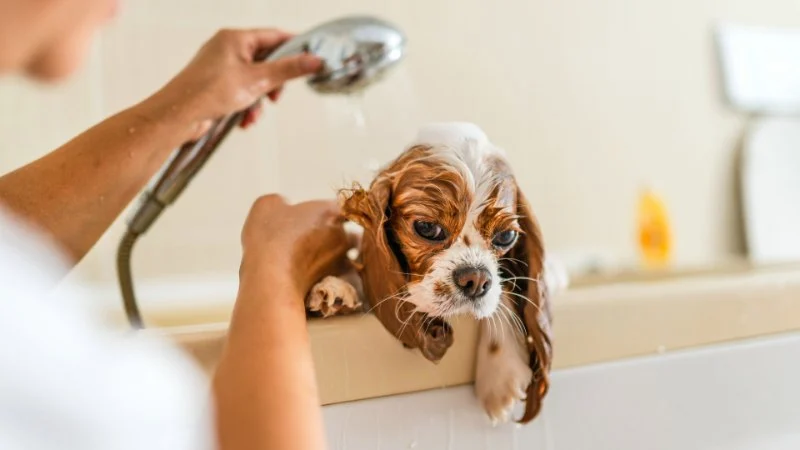
Regular grooming is essential for pets with allergies. Brushing your pet’s coat regularly helps remove allergens from their fur and reduces the chances of skin irritation. Bathing your pet with a hypoallergenic shampoo can also help soothe irritated skin and remove allergens that may be clinging to their fur.
4. Treatment Options for Pets with Allergies
In addition to lifestyle changes, there are several treatment options that can help alleviate your pet’s allergy symptoms:
4.1 Antihistamines
Antihistamines, often used to treat allergies in humans, can also be effective for pets. These medications help reduce itching and inflammation caused by allergies. However, always consult your vet before administering any medication to ensure it is safe for your pet and the correct dosage is given.
4.2 Steroids
In more severe cases, your vet may prescribe steroids to help manage your pet’s allergies. Steroids can reduce inflammation and control symptoms, but they should be used cautiously and under veterinary supervision to avoid side effects.
4.3 Immunotherapy
Immunotherapy, or allergy shots, may be recommended if your pet’s allergies are difficult to control with medication alone. This treatment involves gradually exposing your pet to small amounts of the allergen to help build their immunity over time.
4.4 Topical Treatments
For pets with itchy skin, topical treatments such as medicated shampoos or sprays can provide relief. These treatments help soothe the skin, reduce itching, and promote healing. Be sure to follow your vet’s instructions carefully when using these products.
5. Real-Life Experiences of Pet Owners with Allergies
Here are a couple of stories from pet owners who have successfully managed their pets’ allergies:
5.1 Daisy’s Story: Overcoming Food Allergies
Daisy, a golden retriever, had severe food allergies that caused her to vomit and develop itchy skin. After working with her vet, her owners switched her to a hypoallergenic diet. With time, Daisy’s symptoms improved, and she was able to enjoy a healthier, happier life.
5.2 Max’s Journey: Tackling Environmental Allergies
Max, a French Bulldog, struggled with environmental allergies, especially during the spring. His owners started using an air purifier in the home and wiped his paws after walks to remove pollen. These small changes made a big difference, and Max’s symptoms became much more manageable.
Helping your pet overcome allergies requires a combination of proper diagnosis, lifestyle adjustments, and ongoing care. By working with your veterinarian and providing the right treatments, you can help your pet live a more comfortable and allergy-free life. For more tips and products to help manage your pet’s allergies, visit Brothers Pets for expert recommendations and the best pet care products.





 Sarver Animal Hospital4.0 (119 reviews)
 Memorial Town and Country Animal Clinic4.0 (295 reviews)
 Coffey County Veterinary Services4.0 (56 reviews)
 Ingleside Animal Hospital: Levine Kristen DVM4.0 (6 reviews)
 Bermuda Hundred Animal Hospital3.0 (55 reviews)
 Poo Tang Reefs5.0 (17 reviews)
 The Benefits of Regular Exercise for Your Pet's Overall Health: Why It's Essential
 Beginner's Guide to Pet Health | Essential Tips for New Pet Owners
 Ways to Keep Your Dog Entertained When Home Alone
 How to Reduce Stress for Cats During Travel
 Top 9 Tips for Pet Training – Expert Advice for Happier, Well-Behaved Pets
 Expert Advice on Pet Travel: Tips for a Safe & Smooth Journey