
- 1- Spotting Ear Infections in Pets
- 2- Common Causes of Ear Infections
- 3- How to Treat Pet Ear Infections
- 4- Preventing Ear Infections in Pets
- 5- Real-Life Example of Treating Ear Infections
1. Spotting Ear Infections in Pets
Ear infections are common among pets, particularly dogs and cats. They can cause a lot of discomfort, and recognizing the signs early is crucial to preventing further complications. The most common symptoms of ear infections include:
- Excessive scratching of the ears
- Frequent head shaking or tilting
- Redness or swelling inside the ear canal
- Unpleasant odor coming from the ears
- Discharge from the ears (could be yellow, brown, or black)
If you notice any of these symptoms, it's important to take your pet to a veterinarian as soon as possible for a proper diagnosis. Ignoring these signs can lead to worsening infections or even permanent damage to your pet’s ears.
2. Common Causes of Ear Infections
Ear infections in pets can be caused by a variety of factors, and understanding the underlying cause is essential for effective treatment. Some of the most common causes include:
- Bacterial or yeast infections: These are the most common causes of ear infections in pets. Bacteria or yeast thrive in warm, moist environments, making the ear canal an ideal place for them to multiply.
- Allergies: Pets that suffer from food or environmental allergies are more likely to develop ear infections. Allergies can cause inflammation and irritation, leading to a compromised ear canal.
- Ear mites: These tiny parasites are a common cause of ear infections in cats and can lead to intense itching and irritation.
- Foreign bodies: Sometimes, debris like grass, dirt, or even water can get trapped in the ear, causing an infection.
- Moisture: Pets that swim often or have excess moisture in their ears are more prone to developing ear infections. This is especially true for dogs with floppy ears, as their ears trap moisture more easily.
Identifying the cause of your pet's ear infection is essential for selecting the most appropriate treatment plan.
3. How to Treat Pet Ear Infections
If your pet is diagnosed with an ear infection, the treatment will depend on the underlying cause. Here are some general steps you may need to follow:
- Veterinary treatment: In many cases, your veterinarian will prescribe medication such as antibiotics, antifungals, or ear drops to treat the infection. It's important to follow the vet’s instructions carefully and complete the full course of treatment.
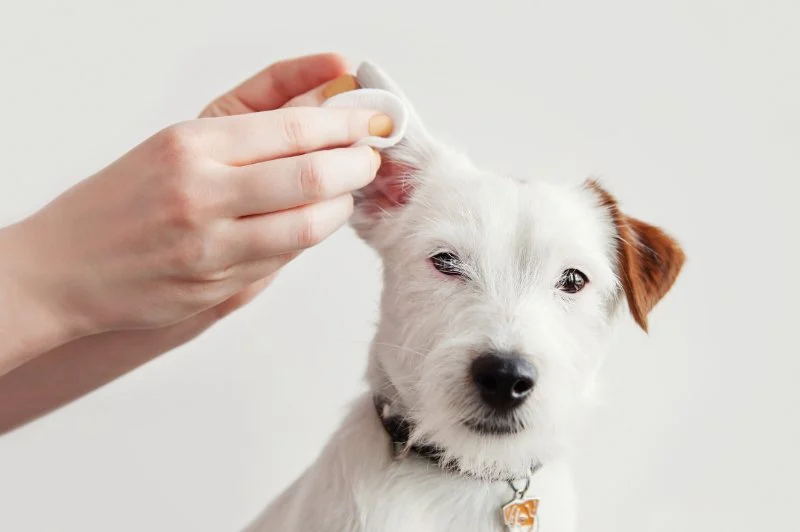
- Ear cleaning: Cleaning your pet's ears is often part of the treatment process. Your veterinarian may recommend an ear cleaner, which helps remove debris and excess wax. Be sure to use only products that are safe for your pet's ears.
- Surgical intervention: In rare cases where the infection is severe or recurrent, surgery may be required. This is often the case for chronic infections that don’t respond to medications.
It's essential to monitor your pet’s progress and return to the vet if the infection doesn’t improve or worsens. Many pets will require follow-up visits to ensure the infection is completely cleared.
4. Preventing Ear Infections in Pets
Prevention is always better than cure. Here are a few simple steps to help prevent ear infections in your pet:
- Regular ear cleaning: Regularly clean your pet’s ears with a veterinarian-approved ear cleaner to keep them free from wax and debris. However, avoid over-cleaning, as it can lead to irritation.
- Dry ears: After swimming or bathing, make sure your pet’s ears are thoroughly dried to prevent moisture buildup.
- Monitor for allergies: If your pet has allergies, work with your vet to manage them and reduce the risk of ear infections.
- Routine vet checkups: Regular checkups with the vet will help identify potential ear problems before they become severe.
By keeping your pet’s ears clean, dry, and free from irritants, you can greatly reduce the likelihood of them developing ear infections.
5. Real-Life Example of Treating Ear Infections
One pet owner, Sarah, shared her experience with treating her dog, Max, who had recurring ear infections. Max, a golden retriever, started scratching his ears excessively and shaking his head. Sarah took him to the vet, where it was revealed that Max had a yeast infection in both ears. The vet prescribed ear drops and suggested cleaning his ears twice a week.
After following the vet's advice and treating Max’s ears with the prescribed medication, his symptoms cleared up in a couple of weeks. Sarah also made sure to dry his ears thoroughly after swimming, and the ear infections stopped reoccurring.
This case highlights the importance of early detection, prompt treatment, and proper care to manage ear infections effectively.






 Academy Animal Hospital4.0 (453 reviews)
 PetVet Vaccination Clinic5.0 (2 reviews)
 Great Lakes Veterinary Behavior Consultants3.0 (7 reviews)
 Animal Medical Center4.0 (353 reviews)
 Cloverleaf Animal Hospital4.0 (194 reviews)
 Brookview Animal Health Center4.0 (260 reviews)
 How to Choose the Right Pet Boarding Facility - A Complete Owner’s Guide
 How to Safely Clean Your Pet’s Ears and Prevent Infections: A Step-by-Step Guide
 How to Recognize and Treat Common Pet Injuries - Expert Guide
 Expert Advice on Emergency Pet Care Every Owner Should Know
 Ways to Keep Your Dog Entertained When Home Alone
 How to Provide Safe and Effective Flea Treatment for Your Pet" — Optimized for the target audience and search engines.