

Best Practices for Feeding Puppies During Growth Stages
Raising a healthy and happy puppy starts with proper nutrition. From the moment you bring your new puppy home, it’s crucial to ensure they are getting the right food for their growth and development. The dietary needs of puppies evolve as they grow, and understanding the best practices for feeding them during their different growth stages will help ensure they thrive. In this guide, we’ll discuss how to feed your puppy at various stages of growth, including the best types of food, feeding schedules, and important nutritional considerations.
- 1. Understanding Puppy Growth Stages
- 2. Choosing the Right Food for Puppies
- 3. How Often Should You Feed Your Puppy?
- 4. Special Considerations for Larger Breeds
- 5. Transitioning to Adult Dog Food
1. Understanding Puppy Growth Stages
Puppies experience rapid growth during the first year of life. Their nutritional needs change as they grow, and it's essential to adjust their diet to support their developing bodies. Here’s a breakdown of the primary growth stages:
- Newborn to 8 Weeks: Puppies are typically still nursing from their mothers during this stage, receiving vital nutrients from mother’s milk.
- 8 Weeks to 6 Months: This is the weaning phase, and puppies begin transitioning to solid food. They grow quickly, and a high-quality puppy food is essential during this stage.
- 6 Months to 1 Year: Puppies continue growing, though at a slower pace. Their body and bone development require a carefully balanced diet to prevent nutritional deficiencies or imbalances.
2. Choosing the Right Food for Puppies
When selecting food for your puppy, it’s essential to choose a formula that supports their specific growth stage. Look for puppy food with the following characteristics:
- High Protein Content: Puppies need protein to support their developing muscles and tissues. Choose food with a protein content of at least 20-30%.
- Balanced Nutrients: A good puppy food should contain a balance of protein, fat, vitamins, and minerals that support their immune system, bone health, and overall growth.
- Life Stage Specific: Make sure the food is labeled for puppies or for a specific growth stage. Puppy food differs from adult dog food due to the nutritional needs of growing dogs.
3. How Often Should You Feed Your Puppy?
Feeding schedules play a crucial role in a puppy’s development. Here’s a guideline for feeding frequency based on your puppy's age:
- Newborn to 6 Weeks: Puppies should nurse from their mother, but if the mother is unavailable, you may need to feed them a puppy milk replacer.
- 6 to 12 Weeks: At this stage, puppies are ready to eat solid food, and you should feed them 3-4 times per day.
- 3 to 6 Months: By now, you can feed your puppy 3 times per day to ensure they are receiving enough nutrients for their growth.
- 6 Months to 1 Year: Once your puppy is older, you can reduce their feeding to 2-3 times per day, depending on their breed and activity level.
4. Special Considerations for Larger Breeds
Larger dog breeds have unique dietary needs compared to smaller breeds, especially when it comes to bone and joint health. Large-breed puppies tend to grow faster, which can put stress on their bones and joints. Here are a few tips for feeding large-breed puppies:
- Choose food with controlled calcium and phosphorus levels: This helps prevent rapid bone growth, which can lead to joint problems later on.
- Feed a specially formulated large-breed puppy food: These formulas are designed to provide the right balance of nutrients to support slower, steady growth.
- Avoid overfeeding: Overfeeding large-breed puppies can lead to obesity and growth abnormalities. Stick to recommended portion sizes based on their age and size.
5. Transitioning to Adult Dog Food
Once your puppy reaches 12 months of age, it's time to transition to adult dog food. Switching to adult food too early can lead to nutritional imbalances. Here's how to make the transition smoothly:
- Gradual Transition: Over the course of 7-10 days, gradually mix in more adult dog food while decreasing the amount of puppy food to help prevent digestive upset.
- Continue Monitoring Their Weight: Even as your puppy becomes an adult, monitor their weight and adjust their food intake as needed to maintain a healthy weight.
- Consult Your Veterinarian: If you're unsure about when to transition to adult food or if your puppy has special dietary needs, talk to your vet for advice.
For expert advice and the best products for your growing puppy, visit Brothers Pets for all your pet care needs.
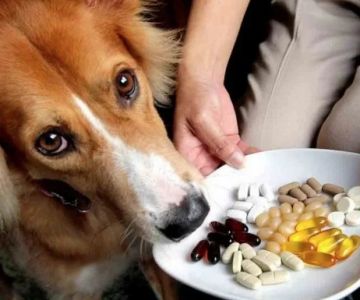





 Chesdin Animal Hospital4.0 (726 reviews)
 Del Ray Animal Hospital4.0 (376 reviews)
 Belton Animal Clinic & Exotic Care Center4.0 (596 reviews)
 Mirthwood Medicine5.0 (6 reviews)
 Chester Animal Clinic4.0 (458 reviews)
 Fredericksburg Animal Hospital4.0 (274 reviews)
 Understanding and Managing Urinary Issues in Dogs | Expert Care Tips
 How to Socialize Your Cat Without Stress – Tips for a Positive Experience
 Expert Advice on Pet Health for Smarter, Happier Care
 Benefits of Omega-3 Fatty Acids for Pets: Improve Health and Wellness
 How to Spot and Treat Hot Spots on Dogs
 How to Help Your Pet Adjust to a New Home: A Comprehensive Guide