
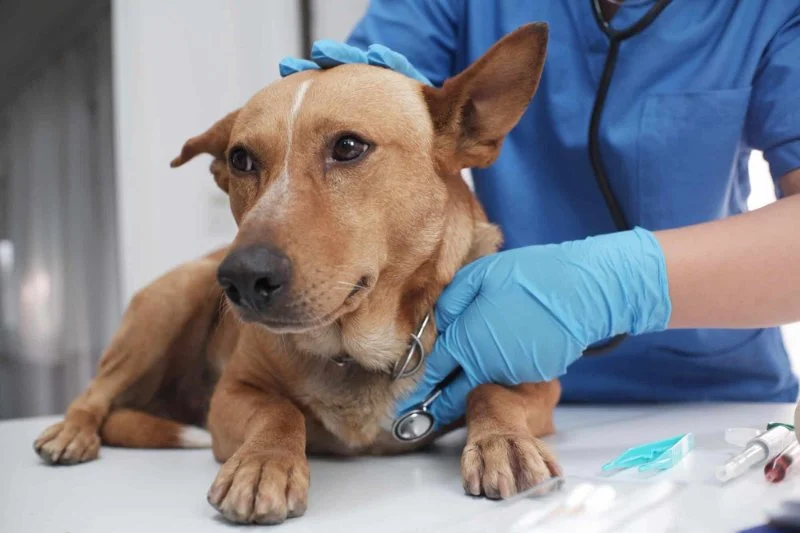
Understanding Pet Emergencies: What to Do
When a pet experiences a health emergency, it can be a stressful and overwhelming situation. Whether it's a sudden injury, poisoning, or an allergic reaction, knowing what to do in these situations can save your pet's life. This guide will help you understand common pet emergencies and provide step-by-step instructions on how to handle them effectively, ensuring your furry friend gets the immediate care they need.
- Common Pet Emergencies
- First Aid for Pet Emergencies
- When to Call the Vet
- Preventing Pet Emergencies
- A Real-Life Pet Emergency Story
1. Common Pet Emergencies
Understanding the most common pet emergencies can help you stay prepared. Here are a few situations that require immediate attention:
1.1 Choking or Blocked Airways
Pets can easily choke on toys, food, or other small objects. Signs of choking include gagging, pawing at the mouth, or difficulty breathing. If your pet is choking, it’s important to act quickly. You may need to perform the Heimlich maneuver or carefully remove the obstruction if visible.
1.2 Toxicity or Poisoning
Many household items, foods, or plants are toxic to pets. Common toxins include chocolate, grapes, certain cleaning products, and xylitol. Symptoms of poisoning can range from vomiting to lethargy and seizures. If you suspect poisoning, immediately call your vet or an emergency pet poison hotline.
1.3 Heatstroke
Heatstroke is a serious condition that can occur when pets are exposed to high temperatures, especially in hot climates or during exercise. Symptoms include excessive panting, drooling, weakness, and confusion. If your pet shows signs of heatstroke, move them to a cool area and offer water, but don't force them to drink.
2. First Aid for Pet Emergencies
In any pet emergency, having basic first aid knowledge can make a significant difference in your pet’s survival chances. Here’s a guide to common first aid steps:
2.1 Assess the Situation
Before acting, assess the severity of the situation. If your pet is conscious, try to keep them calm and still. If they’re unconscious, check their breathing and heart rate.
2.2 Administer CPR (If Needed)
If your pet is unresponsive and not breathing, perform CPR. For dogs, place your hands on the chest and compress at a rate of 100-120 compressions per minute. For smaller pets, use gentle compressions to avoid causing injury.
2.3 Control Bleeding
For external bleeding, apply pressure with a clean cloth or bandage to stop the blood flow. Elevating the injured limb (if possible) can also help reduce bleeding. Seek veterinary care immediately for deeper or more severe cuts.
3. When to Call the Vet
It’s always better to be cautious and consult with a vet, especially in the event of an emergency. Here are a few signs when you should call the vet:
3.1 Continuous Vomiting or Diarrhea
If your pet has been vomiting or has diarrhea for more than a few hours, it’s time to consult your vet. Dehydration can set in quickly, and a vet will determine the underlying cause.
3.2 Seizures
Seizures can be a sign of serious medical conditions such as epilepsy, poisoning, or head injury. If your pet has a seizure, call your vet immediately.
3.3 Difficulty Breathing
If your pet is struggling to breathe, whether from an allergy, injury, or respiratory infection, seek immediate veterinary attention. Difficulty breathing is always a medical emergency.
4. Preventing Pet Emergencies
While emergencies can happen unexpectedly, there are steps you can take to minimize the risks. Here's how you can prevent common pet emergencies:
4.1 Regular Vet Checkups
Regular vet visits ensure your pet is in good health and that any potential issues are caught early. Keep up with vaccinations and preventive care such as flea and tick treatments.
4.2 Pet-Proofing Your Home
Make sure your home is safe by removing toxic substances (e.g., plants, cleaning supplies) from your pet’s reach. Keep small objects that they might swallow out of sight, and ensure they can't access dangerous areas like balconies or roads.
4.3 Keeping Your Pet Cool and Hydrated
During hot months, ensure your pet has access to fresh water and a cool resting place. Avoid excessive exercise in high temperatures to prevent heatstroke.
5. A Real-Life Pet Emergency Story
Sarah, a pet owner, recalls an alarming incident where her dog, Max, swallowed a large piece of plastic. She didn’t panic but quickly followed the first-aid steps to keep him calm. After contacting her vet, she was advised to bring him in immediately. Thanks to her quick thinking, Max received the care he needed and recovered fully. Her story highlights the importance of staying calm and knowing what to do in an emergency.





 Desert Edge Equine4.0 (18 reviews)
 Rutland Veterinary Clinic4.0 (165 reviews)
 Vetco Vaccination Clinic0.0 (0 reviews)
 Michigan Anti Cruelty Vet Clinic4.0 (205 reviews)
 Houston Aquarium Warehouse4.0 (273 reviews)
 Travelling Vet4.0 (43 reviews)
 How to Prevent and Treat Skin Dryness and Itchiness in Pets
 Top Puppy Training Mistakes and How to Avoid Them
 How to Improve Your Pet’s Adoption Experience with Confidence and Care
 How to Recognize and Treat Common Pet Diseases – Expert Tips
 How to Introduce a New Puppy or Kitten to Your Older Pet: Tips for a Smooth Transition
 The Benefits of Regular Playtime for Mental Health in Pets