
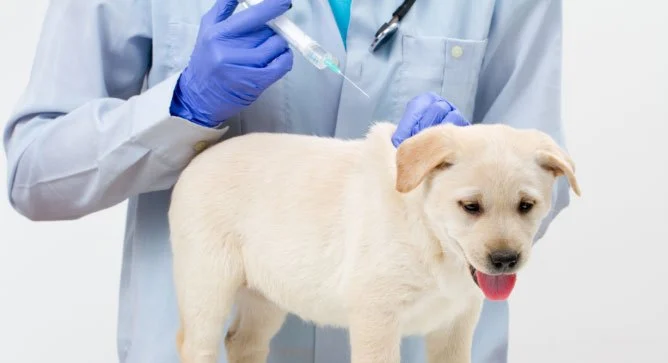
1. Why Vaccinations Are Crucial for Your Puppy’s Health
As a new dog owner, one of your top priorities is ensuring your puppy stays healthy and protected from diseases. Vaccinations are essential in providing your furry friend with immunity against various contagious illnesses. By keeping up with your puppy's vaccination schedule, you help safeguard their health and prevent potentially life-threatening diseases. In this article, we will discuss the most important vaccinations for puppies and why each one is critical for your puppy’s well-being.
2. The Core Vaccines Every Puppy Needs
- 2.1 DHPP: Distemper, Hepatitis, Parvovirus, and Parainfluenza
- 2.2 Rabies Vaccine
- 2.3 Bordetella: Kennel Cough Vaccine
- 2.4 Lyme Disease Vaccine
2.1 DHPP: Distemper, Hepatitis, Parvovirus, and Parainfluenza
The DHPP vaccine is a combination vaccine that protects against four serious diseases: distemper, hepatitis, parvovirus, and parainfluenza. These diseases can be deadly, and puppies are particularly vulnerable. The DHPP vaccine is typically given in a series of shots starting at around 6-8 weeks of age, with boosters given every 3-4 weeks until your puppy is 16-18 weeks old. The DHPP vaccine is considered a core vaccine and is vital for your puppy’s health.
2.2 Rabies Vaccine
The rabies vaccine is another essential vaccine for puppies, as rabies is a fatal disease that affects the nervous system and can be transmitted through bites from infected animals. In many states, the rabies vaccine is required by law. Puppies typically receive their first rabies vaccination at 12-16 weeks of age, with a booster shot given 1 year later, followed by regular boosters every 1-3 years, depending on local regulations. This vaccine is crucial not only for your puppy’s protection but also for public safety.
2.3 Bordetella: Kennel Cough Vaccine
Bordetella is a bacterial infection that causes kennel cough, a highly contagious respiratory illness. While it is not usually fatal, it can cause severe coughing and discomfort. Puppies that are social and spend time around other dogs, such as at dog parks, training classes, or boarding kennels, are at a higher risk for contracting kennel cough. The Bordetella vaccine is often required by boarding facilities and dog parks, and it is typically given as a nasal spray or injection. This vaccine is important for social puppies and those that will be around other dogs.
2.4 Lyme Disease Vaccine
Lyme disease is caused by bacteria transmitted through the bite of an infected tick. While not all puppies need the Lyme disease vaccine, it is recommended for puppies living in areas where ticks are prevalent, especially in wooded or rural environments. Lyme disease can cause symptoms such as lameness, fever, and joint pain, and in severe cases, it can lead to kidney damage. The Lyme disease vaccine is typically administered in a series of two shots, with the second dose given 2-4 weeks after the first. If you live in an area where ticks are common, this vaccine can help protect your puppy from this serious illness.
3. The Vaccine Schedule: When Should Puppies Get Their Shots?
3.1 Puppy Vaccine Timeline
The first few months of your puppy’s life are critical for vaccination, as their immune system is still developing. The recommended vaccination schedule typically starts when your puppy is 6-8 weeks old, with boosters given every 3-4 weeks until they are about 16-18 weeks old. This ensures that your puppy has adequate protection against these diseases before they are exposed to the outside world. After the initial series of shots, most vaccines require annual or triennial boosters, depending on the vaccine and local regulations.
3.2 The Importance of Booster Shots
Booster shots are essential for maintaining the effectiveness of your puppy's vaccinations. While the initial vaccines help to establish immunity, booster shots strengthen and prolong that immunity over time. Missing booster shots or delaying them can leave your puppy vulnerable to disease. It’s important to keep up with your puppy’s vaccination schedule to ensure they are protected against potential outbreaks.
4. Non-Core Vaccines to Consider for Your Puppy
4.1 Canine Influenza Vaccine
Canine influenza, also known as dog flu, is a contagious respiratory disease that can cause coughing, nasal discharge, and fever. While it’s not as common as other diseases, the canine influenza vaccine is worth considering, especially if your puppy will be around other dogs in public spaces or kennels. The vaccine is usually given in two doses, with the second dose given 2-4 weeks after the first.
4.2 Leptospirosis Vaccine
Leptospirosis is a bacterial infection that can be spread through water, soil, and urine from infected animals. It can cause severe liver and kidney damage in dogs. The leptospirosis vaccine is not always recommended for all puppies, but if your puppy will be in areas with standing water or if they’ll be exposed to wildlife, it may be a good idea to include this vaccine in their health plan. It’s typically given as part of a combination vaccine.
5. Choosing a Veterinarian and Keeping Track of Your Puppy’s Vaccinations
Choosing a veterinarian who you trust and who is knowledgeable about your puppy’s needs is one of the best decisions you can make as a new dog owner. Your vet will help you keep track of vaccination schedules and ensure your puppy gets the proper care. Additionally, maintaining a health record for your puppy, including vaccination dates and future booster shots, will help you stay on top of your puppy’s health care needs. For convenience, you can also store this information digitally or through a pet care app.
For new dog owners looking for quality pet products, including vaccination-related items like syringes or medical supplies, Brothers Pets offers a wide range of products and expert advice to ensure your puppy stays healthy and happy throughout their life.


 Veterinary Medical Center of Clayton4.0 (216 reviews)
 Vetco Vaccination Clinic4.0 (41 reviews)
 San Dimas Animal Hospital4.0 (366 reviews)
 Mount Airy Animal Hospital4.0 (97 reviews)
 Parrot & Bird Emporium Inc4.0 (335 reviews)
 Cupola Northlake | Hermitage, TN4.0 (70 reviews)
 How to Identify and Treat Flea Bites on Cats – Effective Care Tips
 Top 8 Tips for Pet Insurance Every Pet Owner Should Know
 How to Keep Your Senior Cat Active and Engaged – Tips and Activities
 How to Reduce Anxiety in Dogs During Car Rides
 Is Your Pet’s Safety Routine on Track?
 How to Choose the Best Pet Food for Allergies or Sensitivities