

- 1. Understanding Senior Pet Needs
- 2. Creating a Safe Environment for Senior Pets
- 3. Preventing Injuries for Senior Pets
- 4. Improving Comfort for Elderly Pets
- 5. The Importance of Regular Veterinary Care
1. Understanding Senior Pet Needs
As pets age, their physical abilities and health needs change. Senior pets, typically defined as pets over the age of seven, often face challenges related to mobility, vision, hearing, and joint health. These changes can make it more difficult for them to navigate their environment and engage in activities they once enjoyed. Understanding these needs is the first step toward creating a safe and comfortable living space for your senior pet.
Senior pets may develop conditions like arthritis, dental disease, or diminished sight and hearing, which can affect their daily life. It’s essential to recognize these challenges and make the necessary adjustments to your home environment to ensure your pet remains happy, comfortable, and safe.
2. Creating a Safe Environment for Senior Pets
Creating a safe environment for your senior pet involves several modifications to ensure they can move around easily and access all the areas they need. Here are some important adjustments you can make:
- Non-slip flooring: Senior pets often struggle with balance, especially if they have arthritis or limited mobility. Adding non-slip rugs or mats to hardwood or tile floors can prevent your pet from slipping and falling. Additionally, consider installing low-pile carpeting or anti-slip tapes on stairs and hallways.
- Accessible resting areas: Make sure your pet’s favorite resting spots are easy to access. Elevated beds or couches might be too high for senior pets, so low, padded beds placed in quiet, warm areas will help them feel comfortable. Orthopedic beds can also provide extra support for pets with joint pain.
- Well-lit spaces: Senior pets often experience diminished vision, so keeping your home well-lit will help them navigate more easily. Use nightlights or motion-sensor lights in hallways, stairs, and other areas your pet frequents.
3. Preventing Injuries for Senior Pets
Preventing injuries is a key part of ensuring your senior pet’s safety. As pets age, their reflexes and physical coordination can decline, making them more prone to accidents. Here are some tips to help prevent injuries:
- Safe outdoor spaces: If your senior pet enjoys spending time outdoors, make sure the yard is secure and free of hazards like sharp objects, holes, or uneven surfaces. Keep an eye on them while they’re outside to ensure they don’t wander into dangerous areas.
- Ramps and steps: If your senior pet has trouble jumping onto furniture or climbing stairs, consider adding a ramp or pet stairs. These simple tools can prevent unnecessary strain on their joints and help them maintain independence while moving around the house.
- Regular grooming: Senior pets may have thinning or dull fur, making them more susceptible to skin irritation. Regular grooming is essential not only for their appearance but also for their health. Brushing their coat will help you detect any skin issues, parasites, or abnormalities early on.
4. Improving Comfort for Elderly Pets
Comfort is vital for senior pets, and creating a cozy environment tailored to their needs will enhance their well-being. Here’s how to improve your senior pet’s comfort at home:
- Climate control: As pets age, they may become more sensitive to temperature extremes. Ensure that your home remains at a comfortable temperature, avoiding areas that are too hot or too cold. Provide your pet with a warm, quiet spot to rest, especially during colder months.
- Adjustable feeding stations: If your pet suffers from arthritis or joint pain, it might be challenging for them to bend down to their food or water bowl. Elevated feeding stations can help reduce strain on their neck and back, making mealtime more comfortable.
- Soft bedding: Older pets may experience joint pain or stiffness, so providing them with soft, supportive bedding is essential. Orthopedic mattresses or foam cushions can relieve pressure on their joints and provide a much-needed break from hard surfaces.
5. The Importance of Regular Veterinary Care
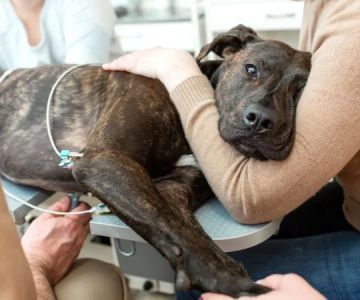
As your pet ages, regular veterinary visits become even more crucial to monitor their health and address any emerging issues. Senior pets require more frequent checkups, as conditions such as dental disease, arthritis, and vision problems can develop over time.
Regular vet visits will help identify early signs of health problems, and your vet can offer treatment plans to improve your pet’s comfort. Senior pets may benefit from specialized care, such as arthritis management, weight control, or vision and hearing evaluations. Routine blood tests, vaccinations, and dental cleanings will also help your pet live a longer, healthier life.
In addition to veterinary care, consider incorporating supplements or diets specifically designed for senior pets. Many senior pet foods are formulated to support joint health, promote a shiny coat, and maintain energy levels as pets age.
At Brothers Pets, we offer a variety of products designed to improve the quality of life for your senior pets. From orthopedic beds to ramps and pet supplements, our selection of pet care items ensures that your elderly pet lives comfortably and safely in your home. Be sure to check out our range of senior pet products to help make your home a haven for your aging pet.





 New Richmond Veterinary Clinic4.0 (393 reviews)
 Charlestown Pet Clinic3.0 (55 reviews)
 AlphaVet Animal Clinic, Dr. Greg Ashley, DVM, MS4.0 (42 reviews)
 GoodVets Castle Rock4.0 (74 reviews)
 A Barkery Unleashed4.0 (104 reviews)
 Shenandoah Animal Hospital, Inc.4.0 (234 reviews)
 How to Spot and Treat Pet Urinary Issues
 The Importance of Regular Parasite Prevention for Pets: Protect Your Furry Friend
 How to Identify and Treat Allergic Dermatitis in Cats: A Guide for Pet Owners
 How to Provide Comfort and Care for Your Pet During Illness: Essential Tips for Pet Owners
 What You Need to Know About Pet Insurance: Choosing the Right Plan
 How to Recognize and Treat the Symptoms of Flea Allergic Dermatitis