
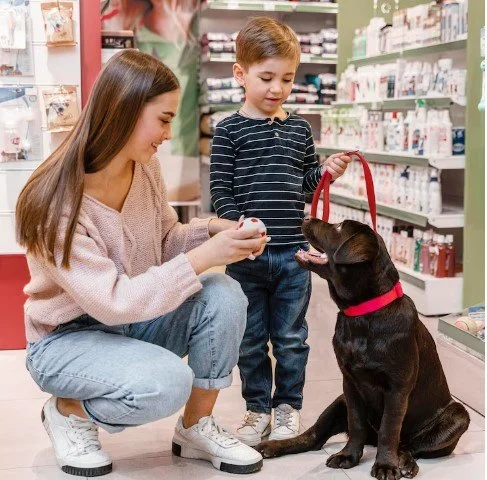
1. Why Choosing the Right Pet Products Matters
When it comes to taking care of our pets, choosing the right pet products is just as important as their daily diet and exercise. The vast number of products available on the market—from food and toys to grooming supplies and medications—can make it overwhelming to select the best ones for your pet’s specific needs. Whether you are a first-time pet owner or a seasoned enthusiast, understanding how to choose the right products is essential for keeping your pet healthy, happy, and safe.
pgsql复制代码2. Understanding Your Pet’s Needs
Before selecting any pet product, it’s crucial to first understand your pet’s individual needs. Every pet is unique, and their requirements can vary depending on their breed, age, health, and lifestyle. For example, a senior dog may require joint supplements or softer food, while an active kitten may need more durable toys to satisfy their curiosity and energy. Here are some factors to consider:
2.1 Age and Size
Age and size play a major role in determining the products that will best suit your pet. Puppies and kittens need products designed for their growing bodies, while older pets may need specialized food, joint support, or even oral care products to maintain their health. Similarly, a small dog will need smaller toys and accessories than a large breed dog.
2.2 Health Conditions
Pets with specific health conditions may need specialized products. For example, pets with sensitive skin may require hypoallergenic grooming products, while overweight pets might need weight management food. It’s always best to consult with your vet to ensure you’re choosing the right products that cater to your pet’s health requirements.
2.3 Activity Level
A pet’s activity level also influences the type of products you should choose. Active pets may need more durable toys, higher-protein foods, and orthopedic beds to support their bones and joints. On the other hand, less active pets might benefit from products that promote comfort and relaxation, such as calming treats or cozy blankets.
3. Types of Pet Products You Should Consider
Now that you understand your pet’s needs, it’s time to explore the various types of products that are essential for their care. Here are some key categories of pet products you should consider:
3.1 Food and Treats
One of the most important products for your pet is their food. Ensure that you’re feeding them the right type of food based on their age, breed, and health needs. It’s also essential to provide treats that are not only tasty but also beneficial to their health. Look for treats that are low in calories but high in nutrients to keep your pet fit and happy.
3.2 Toys and Enrichment
Pets, especially dogs and cats, need mental and physical stimulation. Toys that challenge their minds and provide exercise are essential for their well-being. For example, interactive toys like puzzle feeders can keep your pet entertained and help reduce anxiety.
3.3 Grooming Products
Grooming is an important part of pet care. Depending on your pet’s coat type, you’ll need the right grooming tools such as brushes, nail clippers, and shampoos. Regular grooming keeps your pet’s coat shiny and healthy, reduces shedding, and helps you check for signs of parasites or skin conditions.
3.4 Healthcare and Wellness Products
Healthcare products such as flea and tick treatments, joint supplements, and oral care items are crucial for maintaining your pet’s health. Regular use of these products can help prevent common health issues and keep your pet in top shape for years to come.
4. How to Select the Right Pet Products
Choosing the right pet products requires some research and knowledge. Here are some tips to help you make informed decisions:
4.1 Consult Your Veterinarian
Before buying products for your pet, consult with your veterinarian to ensure they are suitable for your pet’s needs. A vet can provide you with personalized recommendations for food, supplements, and other pet care products.
4.2 Read Reviews and Product Labels
When shopping for pet products, always read the reviews and product labels. Customer reviews can offer insights into how effective a product is and whether it meets the needs of pets similar to yours. Additionally, reading the labels will help you ensure that the product is safe and appropriate for your pet.
4.3 Choose Reputable Brands
Look for pet products from reputable brands that prioritize quality and safety. Brands with certifications or endorsements from veterinary associations are often more reliable than generic or unknown brands.
5. Common Mistakes to Avoid When Choosing Pet Products
Choosing the wrong pet products can lead to a range of issues, from health problems to behavioral concerns. Here are some common mistakes to avoid:
5.1 Overlooking Health Conditions
Ignoring your pet’s specific health conditions when selecting products can lead to adverse effects. For example, choosing the wrong food or treats for a pet with allergies or weight issues can exacerbate their condition.
5.2 Buying Low-Quality Products
While budget-friendly products are tempting, choosing low-quality pet items can compromise your pet’s health and safety. Invest in quality products that are durable, safe, and effective.
5.3 Not Considering Your Pet’s Preferences
Pets can be picky about their food, toys, and grooming products. It’s important to consider their preferences, especially when it comes to food and treats, to ensure they enjoy the products you choose.
6. Real-Life Case Study: Choosing Pet Products for Max
Max, a 7-year-old Golden Retriever, was suffering from joint pain and occasional anxiety. His owner, Sarah, was unsure which products would help improve his health and comfort. After consulting with a veterinarian, Sarah was recommended joint supplements and calming treats. She also upgraded Max’s bed to a memory foam orthopedic version to help alleviate his discomfort. Over time, Max’s condition improved, and Sarah noticed that he seemed more relaxed and comfortable. This real-life case demonstrates how choosing the right products can make a significant difference in a pet’s quality of life.
7. Conclusion: Selecting the Best Pet Products for Your Pet
Choosing the right pet products is a key part of being a responsible pet owner. By understanding your pet’s unique needs, doing research, and consulting with professionals, you can ensure that your pet gets the best care and products to keep them healthy and happy. For more guidance on choosing the right products for your pet, visit Brothers Pets, where you can find high-quality pet products and expert advice to help you make the best choices for your furry friends.






 The Animal Doctors of Mission Viejo (formerly Family Member Vet)4.0 (85 reviews)
 Petco4.0 (710 reviews)
 VIP Petcare Vaccination Clinic0.0 (0 reviews)
 Chestertown Animal Hospital4.0 (179 reviews)
 Beresford Vet Clinic PC4.0 (55 reviews)
 Homey Gnome Veterinary Clinic5.0 (184 reviews)
 How to Recognize and Treat Common Pet Allergies and Sensitivities
 Avoid These Common Pet Safety Mistakes and Keep Your Pet Protected
 The Benefits of Regular Dog Massage for Health and Relaxation – Brothers Pets
 The Ultimate Guide to Pet Vaccination for US Pet Owners
 Traveling with Pets: Tips for a Safe and Comfortable Journey
 How to Help Your Pet Cope with Separation from You