

- understanding-the-basics-of-pet-health
- the-dos-of-pet-health-what-every-pet-parent-should-prioritize
- the-donts-of-pet-health-what-to-avoid-for-your-pets-safety
- real-stories-when-small-mistakes-became-big-lessons
- finding-reliable-pet-care-products-and-support
1. Understanding the Basics of Pet Health
Pet health isn’t just about annual vet visits—it’s a continuous commitment that touches everything from food quality to emotional bonding. Just like humans, pets need balanced nutrition, preventive care, regular exercise, and love to thrive. Whether you're raising a playful puppy, a curious kitten, or a senior rescue dog, knowing the dos and don'ts of pet health is crucial to giving them a long and happy life.
Understanding your pet’s unique breed-specific needs can prevent numerous issues before they start. For example, some dog breeds are more prone to hip dysplasia, while certain cat breeds might be predisposed to heart conditions. Getting informed early and staying proactive makes all the difference.
2. The Dos of Pet Health: What Every Pet Parent Should Prioritize
2.1 Schedule Regular Veterinary Check-Ups
Preventive care is the backbone of lifelong wellness. Annual or bi-annual vet visits allow professionals to detect early signs of disease, update vaccinations, and tailor dietary or lifestyle recommendations. Even if your pet seems healthy, don’t skip these appointments.
2.2 Invest in High-Quality Nutrition
The phrase “you are what you eat” applies to pets too. A diet filled with unnecessary fillers, byproducts, and artificial ingredients can lead to obesity, allergies, and poor digestion. Choose trusted brands or get personalized food recommendations through platforms like Brothers Pets, where nutritional transparency matters.
2.3 Encourage Daily Physical Activity
Exercise isn’t optional—it’s essential. For dogs, this might mean daily walks, fetch sessions, or agility games. For indoor cats, climbing trees, laser toys, and play tunnels can keep them fit and stimulated. Lack of activity can cause both physical and behavioral issues.
2.4 Maintain Dental Hygiene
Pet dental health is often overlooked until bad breath or serious infections show up. Brushing their teeth, using dental chews, or incorporating vet-approved oral care products into their routine can prevent painful issues and expensive treatments.
2.5 Stay Up-to-Date on Parasite Control
Fleas, ticks, and worms are more than just nuisances—they can lead to severe health conditions. Monthly prevention, whether topical or oral, is a simple step that saves your pet discomfort and keeps your home pest-free.
3. The Don’ts of Pet Health: What to Avoid for Your Pet’s Safety
3.1 Don’t Feed Them Human Food Without Research
What’s safe for you might be toxic to them. Grapes, onions, chocolate, and even some sugar-free gums can cause fatal reactions in pets. Always check before offering a bite, and avoid table scraps as a regular habit.
3.2 Don’t Skip Vaccinations or Delay Treatments
Postponing vaccinations or ignoring symptoms can allow easily preventable diseases to spread. Kennel cough, parvo, and feline distemper are still threats, especially in high-contact environments like dog parks or boarding facilities.
3.3 Don’t Assume Behavioral Changes Are “Just a Phase”
Sudden shifts in mood, eating, or bathroom habits may signal pain, anxiety, or illness. Always consult your vet rather than dismissing it as bad behavior. Early detection is often the difference between minor adjustments and major health scares.
3.4 Don’t Overmedicate or DIY Medical Treatments
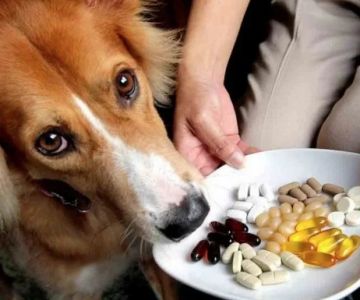
Never give your pet human medications without veterinary approval. Even small doses of something like ibuprofen can be deadly to dogs and cats. Always follow professional advice and avoid "home remedies" unless cleared by a vet.
4. Real Stories: When Small Mistakes Became Big Lessons
In 2023, a viral post from a pet parent in Ohio shared how a single chocolate chip cookie nearly cost their Labrador its life. “We didn’t think one cookie could do much harm. But within hours, his heart rate skyrocketed, and he was vomiting. We rushed him to the vet—it was terrifying.” Luckily, the dog recovered fully thanks to quick action.
Another example comes from Amanda in New York, who ignored her senior cat’s weight loss and frequent vomiting, thinking it was aging. “I didn’t act until she collapsed. It turned out to be hyperthyroidism, and if I’d caught it earlier, she would’ve been in much better shape.” These stories highlight why knowing the dos and don'ts of pet health is more than theoretical—it's life-saving.
5. Finding Reliable Pet Care Products and Support
Navigating the world of pet health can be overwhelming. With so many products on the market, it’s easy to get lost in the noise. That’s why platforms like Brothers Pets are so valuable. They don’t just sell products—they offer trusted guidance, professional vet-backed resources, and handpicked selections that prioritize your pet’s well-being.
From advanced supplements and grain-free foods to eco-friendly grooming tools, Brothers Pets helps pet owners make confident, informed decisions. Whether you're starting out with a new puppy or managing chronic conditions in an aging companion, having the right support makes all the difference.





 Pocopson Veterinary Station PC4.0 (250 reviews)
 Pet Supplies Plus Powell4.0 (289 reviews)
 North Phoenix Animal Clinic4.0 (880 reviews)
 Arapahoe Animal Hospital - Downtown4.0 (54 reviews)
 Animal Clinic of Susquehanna4.0 (283 reviews)
 Gate Way Equine Veterinary4.0 (127 reviews)
 Top 9 Tips for Pet Training That Actually Work
 Top 11 Tips for Parasite Prevention in Pets | Safe & Effective Methods
 Tips for Maintaining a Healthy Coat in Senior Cats – Essential Care for Older Cats
 How to Support a Dog Recovering from Surgery with Care and Comfort
 Beginner's Guide to Pet Health | Essential Tips for New Pet Owners
 The Role of Nutrition in Your Pet's Overall Health - Essential Tips for Pet Owners