
- 1 - The Importance of Post-Surgery Care for Dogs
- 2 - How to Support a Dog Recovering from Surgery Step by Step
- 3 - Managing Pain and Medications Safely
- 4 - Nutrition and Comfort During Recovery
- 5 - Real Stories from Pet Owners and Lessons Learned
- 6 - Long-Term Care and Follow-Ups with Your Vet
1. The Importance of Post-Surgery Care for Dogs
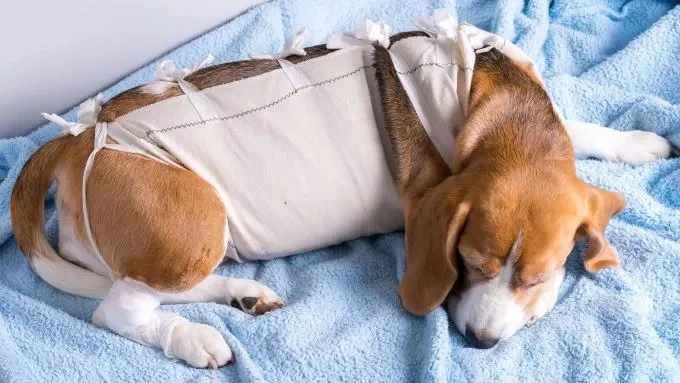
When your dog undergoes surgery, recovery doesn’t end when you bring them home. The healing process requires time, patience, and dedicated care. Knowing how to support a dog recovering from surgery is crucial for reducing complications and ensuring a smooth healing journey. Post-surgery care is about balancing rest with attention—providing comfort while also following veterinary advice closely.
2. How to Support a Dog Recovering from Surgery Step by Step
Supporting your dog after surgery begins with creating a safe environment. Prepare a quiet, cozy space away from stairs or busy areas where your dog can rest undisturbed. Use soft bedding to cushion surgical areas, and keep them warm but not overheated. Limiting physical activity is also vital—no running, jumping, or playing until the vet confirms it’s safe. At Brothers Pets, you can find recovery essentials like orthopedic beds, cones, and protective wraps designed to make this phase more manageable.
2.1 Monitoring Surgical Sites
Inspect your dog’s incision daily. Look for redness, swelling, or discharge, which could indicate infection. Keeping the site clean and dry is critical, and unless instructed otherwise, avoid bathing until stitches are removed or the vet approves.
3. Managing Pain and Medications Safely
Pain management is one of the most important aspects of recovery. Veterinarians typically prescribe medications that should be administered strictly as directed. Never give human pain relievers, as many are toxic to dogs. Watch for signs of discomfort, such as whining, panting, or restlessness, and report concerns to your vet promptly. Consistency in medication schedules ensures steady pain control and helps your dog heal faster.
4. Nutrition and Comfort During Recovery
A balanced diet supports healing. Your vet may recommend a temporary switch to bland or prescription foods, especially if anesthesia caused digestive upset. Always provide fresh water, and encourage small, frequent meals if your dog isn’t eager to eat. Comfort also matters—soft blankets, gentle petting, and maintaining familiar routines can reduce anxiety. Dogs are sensitive to changes, so stability during this period reassures them.
5. Real Stories from Pet Owners and Lessons Learned
Consider Mia, a Labrador in California, who underwent ACL surgery. Her owner shared that setting up baby gates to restrict movement prevented re-injury and made recovery much smoother. Another story involved Charlie, a rescue beagle who had dental surgery. His family noticed he was reluctant to eat at first, so they softened his food and used vet-approved supplements. These real-life cases show that flexibility and attentiveness often make the biggest difference in recovery success.
6. Long-Term Care and Follow-Ups with Your Vet
Recovery doesn’t end after stitches are removed. Follow-up appointments allow vets to monitor healing and detect complications early. Gradually reintroducing exercise under veterinary supervision ensures your dog regains strength safely. Long-term care may also involve physical therapy, especially for orthopedic surgeries. By combining professional guidance with dedicated home care, pet owners set their dogs up for a healthier, happier future.






 Animal Hospital North4.0 (397 reviews)
 Mille Lacs Veterinary Clinic at Foley4.0 (102 reviews)
 Urban Livestock & Equine Veterinary Services4.0 (81 reviews)
 Weber's Pet Supermarket4.0 (26 reviews)
 PV Reefs5.0 (20 reviews)
 ZenPet Sayre Veterinary Acupuncture5.0 (15 reviews)
 Avoid These Common Pet Safety Mistakes and Keep Your Pet Protected
 How to Keep Your Pet's Coat Shiny and Healthy
 How to Recognize and Treat Joint Pain in Older Pets: A Complete Guide
 Expert Advice on Pet Travel: Tips for a Safe & Smooth Journey
 How to Manage Anxiety in Dogs During Vet Visits – Tips from Experts
 How to Prevent and Treat Pet Allergies to Food and Environment