
- How to Manage Anxiety in Dogs During Vet Visits
- Why Dogs Feel Anxious at the Vet
- Preparing Your Dog for a Vet Visit
- What to Do During the Vet Visit
- How to Calm Your Dog After the Vet Visit
- Long-Term Solutions for Managing Dog Anxiety
How to Manage Anxiety in Dogs During Vet Visits
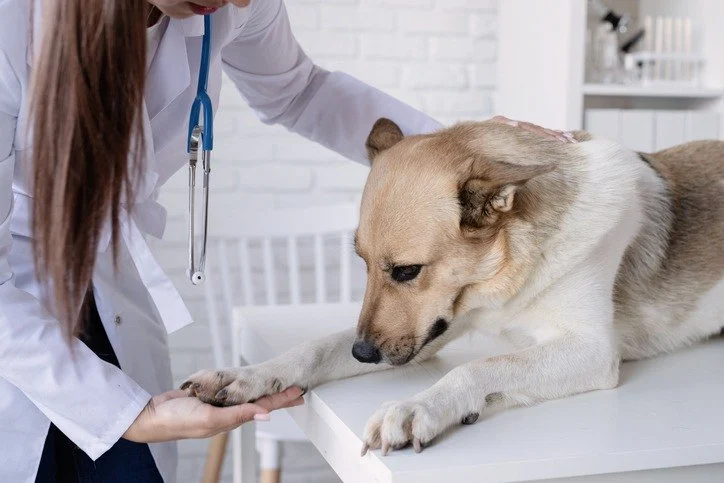
Vet visits are essential for maintaining your dog's health, but for many dogs, these visits can be incredibly stressful. The sights, sounds, and smells of a veterinary clinic can trigger anxiety in pets, leading to behaviors such as excessive barking, drooling, or even trembling. Managing anxiety in dogs during vet visits is crucial for ensuring their well-being and making the experience as comfortable as possible.
In this article, we will explore effective strategies to help manage dog anxiety during vet visits, ensuring that both you and your dog have a smoother, less stressful experience. From preparation techniques to calming solutions, we’ve got you covered. For more products and services that can support your dog's anxiety management, check out Brothers Pets for expert recommendations!
1. Why Dogs Feel Anxious at the Vet
Understanding why your dog feels anxious at the vet is the first step toward managing their stress. Dogs experience anxiety at the vet for several reasons:
- New Environment: The unfamiliar smells, sounds, and sights of the vet’s office can be overwhelming for dogs, especially if they haven’t visited often.
- Negative Past Experiences: If your dog has had a painful or stressful experience at the vet before, they may associate the visit with fear or discomfort.
- Separation Anxiety: Some dogs experience separation anxiety when they are away from their owner, and the vet visit exacerbates this feeling.
- Restrained Handling: The physical exams or treatments at the vet can cause discomfort or pain, which may trigger anxiety.
Recognizing these triggers is the first step in helping your dog feel more comfortable at the vet. With the right strategies, you can help ease their anxiety and make future visits less stressful.
2. Preparing Your Dog for a Vet Visit
Preparation is key to reducing your dog’s anxiety before the vet visit. The more familiar and comfortable your dog feels, the less likely they are to become stressed. Here are some helpful preparation tips:
- Desensitize Your Dog to the Car: Many dogs associate car trips with going to the vet, which can cause anxiety. Try taking your dog on short, fun car rides to different locations to reduce their negative association with car trips.
- Make the Vet’s Office a Positive Experience: Before the actual appointment, visit the vet’s office just to say hello. Take your dog inside to meet the staff and receive treats, so they begin to associate the clinic with positive experiences.
- Use Calming Products: Consider using calming products like anxiety wraps, pheromone sprays, or natural supplements. These can help soothe your dog’s nerves before the visit.
- Keep Your Dog Calm Before the Visit: On the day of the appointment, avoid stressful activities or overly stimulating situations for your dog. Take them for a walk to help burn off some energy before the visit.
Preparation can make a huge difference in how your dog reacts to the vet. By setting a calm, positive tone before the visit, your dog will feel less anxious about what’s to come.
3. What to Do During the Vet Visit
Once at the vet, it’s essential to maintain a calm and reassuring presence. Here’s how you can help your dog stay calm during the appointment:
- Stay Calm Yourself: Dogs are very perceptive to their owner’s emotions. If you’re anxious, your dog will likely pick up on that. Stay calm and speak to your dog in a soothing voice to reassure them.
- Bring Familiar Items: Bring your dog’s favorite blanket, toy, or something that smells like home. This can provide comfort and familiarity in an unfamiliar place.
- Provide Treats and Positive Reinforcement: During the visit, offer treats and praise your dog for calm behavior. Positive reinforcement helps them associate the vet visit with rewards rather than fear.
- Ask the Vet to Work Slowly: If your dog is particularly nervous, ask the vet to approach the exam slowly and allow breaks if needed. This can make the experience more manageable for your dog.
By staying calm and offering comfort, you can help your dog feel more at ease during the visit.
4. How to Calm Your Dog After the Vet Visit
After the vet visit, it’s important to help your dog relax and recover from the stress of the experience. Here are a few things you can do:
- Give Your Dog Some Space: Allow your dog some quiet time to unwind after the visit. Avoid over-stimulating them with activities or visitors right away.
- Provide Comfort: Offer comfort items like their favorite toys or blankets to help them feel secure.
- Reward Your Dog: After the visit, reward your dog with a treat or a favorite activity, like a walk or playtime. This helps them associate the visit with positive outcomes.
Calming your dog after the visit is just as important as preparing them for it. A little extra care can help them bounce back quickly and feel more comfortable for future visits.
5. Long-Term Solutions for Managing Dog Anxiety
While managing anxiety during vet visits is essential, there are long-term strategies you can use to reduce overall anxiety in your dog. Here are some solutions that can help:
- Training and Socialization: Regular exposure to new environments and experiences can help your dog become more adaptable and less anxious. Positive reinforcement training can also help your dog learn to remain calm in stressful situations.
- Calming Supplements: Some dogs benefit from calming supplements or natural remedies, such as CBD oil, that can help reduce anxiety over time.
- Behavioral Therapy: In severe cases, consulting with a veterinary behaviorist or dog trainer can provide specialized strategies to manage anxiety.
Consistency and patience are key when addressing long-term anxiety. Over time, with the right approach, you can help your dog feel more comfortable in a variety of situations, including vet visits.




 Lovet Pet Health Care - Roadrunner4.0 (988 reviews)
 Cypress Veterinary Hospital4.0 (251 reviews)
 Timber Ridge Animal Medical Center4.0 (231 reviews)
 VIP Petcare Vaccination Clinic0.0 (0 reviews)
 Amherst Small Animal Hospital4.0 (70 reviews)
 Pardeeville Veterinary Hospital4.0 (226 reviews)
 Top 7 Tips for Pet Safety Every Owner Should Know
 How to Help a Cat Adjust to a New Home Environment: Expert Tips and Advice
 The Importance of Regular Exercise for Your Pet – Healthy Habits with Brothers Pets
 How to Clean Your Cat’s Ears Safely at Home in 2024
 What Every Pet Owner Should Know About Pet Aging
 The Benefits of Regular Playtime for Mental Health in Pets