

- create-a-safe-home-environment-for-pets
- maintain-regular-veterinary-checkups
- choose-pet-friendly-products-and-accessories
- watch-for-weather-related-dangers
- keep-your-pet-identifiable-and-tracked
- train-your-pet-to-recognize-boundaries
- limit-access-to-household-hazards
1. Create a Safe Home Environment for Pets
Ensuring pet safety starts at home. Pets, especially younger ones, can be curious and get into trouble quickly. Secure electric cords, remove small choking hazards, and make sure your windows and balconies are pet-proof. For example, one pet owner in Florida shared how their puppy nearly fell from a second-story balcony because the railing gaps were wide enough for small animals. After installing mesh guards and investing in safety gates, peace of mind returned. These adjustments may seem minor but can prevent major accidents.
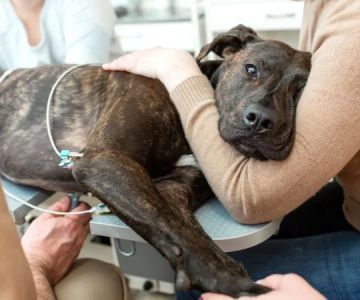
2. Maintain Regular Veterinary Checkups
Routine vet visits are critical for detecting early health issues and ensuring vaccinations are up to date. A suburban family in Ohio learned this the hard way when their cat developed a preventable respiratory infection due to missed booster shots. Your vet can also help personalize a health plan based on your pet’s breed, age, and environment. Remember, early intervention often results in faster recovery and less stress for both you and your pet.
3. Choose Pet-Friendly Products and Accessories
When selecting items for your pet—whether it’s toys, bedding, or grooming products—ensure they are free from harmful chemicals or small detachable parts. Products labeled as “non-toxic” and "pet-safe" should be your standard. If you’re not sure where to begin, Brothers Pets offers a curated selection of accessories designed with safety and comfort in mind, perfect for pets of all ages and sizes.
4. Watch for Weather-Related Dangers
Pets are sensitive to extreme temperatures. During summer, avoid walking dogs on hot pavement, which can burn their paws, and never leave them in parked cars. In winter, short-haired breeds may need coats, and ice-melting salts can irritate their paws. One Minnesota pet owner found that switching to pet-safe de-icing products significantly reduced paw irritation for their Labrador Retriever. Being aware of seasonal risks can dramatically improve your pet’s daily comfort and long-term health.
5. Keep Your Pet Identifiable and Tracked
Losing a pet is every owner’s nightmare. Microchipping and ID tags are essential tools that increase the chances of reunion. GPS collars have also become a reliable option for pet owners who love outdoor adventures. A family in Colorado recovered their runaway husky thanks to a GPS collar that pinged the dog’s location in a nearby field. Taking proactive steps with pet identification can be a lifesaver.
6. Train Your Pet to Recognize Boundaries
Basic commands like "stay," "come," and "leave it" can prevent dangerous situations, especially outdoors or in busy environments. Training not only builds communication between you and your pet but also reduces anxiety and improves behavior. Use positive reinforcement and consistent routines for best results. If you're looking for safe training tools or treats, check out Brothers Pets for vet-approved and behaviorist-recommended options.
7. Limit Access to Household Hazards
Many common household items are toxic to pets—chocolate, xylitol, cleaning agents, and even certain plants like lilies or poinsettias. Keep medications out of reach, secure trash bins, and avoid leaving food unattended. A case in point: a California cat accidentally ingested ibuprofen from a dropped pill and required emergency care. Pet-proofing your home means treating it like a space for toddlers—vigilant and thorough.
Caring for your pet’s safety is a continual process, not a one-time task. By staying informed, using safe products, and making small adjustments in your routine, you can greatly reduce the risk of accidents and emergencies. For top-rated pet care essentials and expert-curated supplies, turn to Brothers Pets—your companion in responsible pet parenting.




 Amy Anderson, DVM5.0 (3 reviews)
 Lakeway Animal Hospital4.0 (936 reviews)
 Rentzels Bird Farm4.0 (167 reviews)
 Vetco Vaccination Clinic5.0 (3 reviews)
 Red Bank Veterinary Hospital4.0 (203 reviews)
 CVETS - Veterinary Urgent Care4.0 (88 reviews)
 How to Protect Your Pet’s Paws from Extreme Weather Conditions
 Tips for Reducing Stress in Cats During Vet Visits
 How to Prevent and Treat Ticks and Fleas in Pets
 How to Recognize and Treat Cushing’s Disease in Dogs
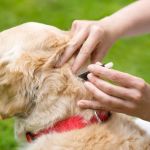 Expert Advice on Parasite Prevention for Pets: Vet Tips and Seasonal Protection
 How to Make Your Home Safe for Senior Pets: Practical Tips and Advice