
- understanding-parasite-risks-in-pets - Understanding Parasite Risks in Pets
- common-types-of-parasites-and-their-symptoms - Common Types of Parasites and Their Symptoms
- preventive-measures-for-parasite-infestation - Preventive Measures for Parasite Infestation
- expert-advice-on-seasonal-parasite-prevention - Expert Advice on Seasonal Parasite Prevention
- real-cases-and-lessons-from-pet-owners - Real Cases and Lessons from Pet Owners
- recommended-products-and-services - Recommended Products and Services
1. Understanding Parasite Risks in Pets
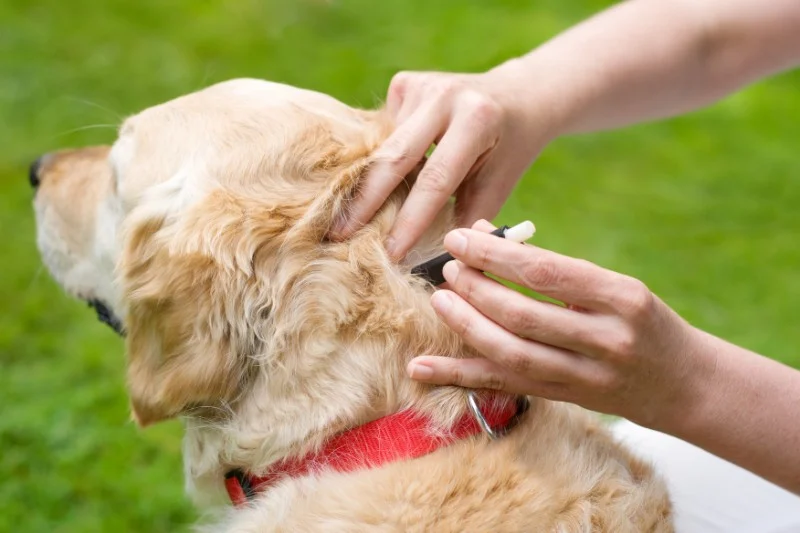
Parasites are a serious yet often underestimated threat to pets. Fleas, ticks, heartworms, and intestinal worms can lead to significant health issues if not promptly managed. These pests not only cause physical discomfort like itching or inflammation but can also transmit diseases, some of which are zoonotic—meaning they can affect humans too. Whether you have a curious kitten, a backyard-loving pup, or a senior indoor cat, understanding these risks is essential to keeping them healthy and happy.
Parasites thrive in varied environments, and their presence can be influenced by geographic location, climate, and even indoor-outdoor access. For example, warmer regions may experience year-round flea activity, while colder climates see a peak during spring and summer. Keeping up with prevention routines is vital no matter where you live.
2. Common Types of Parasites and Their Symptoms
Different parasites affect pets in distinct ways, and early detection relies on knowing what to look for:
2.1 Fleas
Fleas are external parasites that multiply rapidly. Signs include intense scratching, hair loss, red skin, and flea dirt (tiny black specs on fur). Flea infestations can also lead to flea allergy dermatitis or even anemia in severe cases.
2.2 Ticks
Ticks latch onto pets, feeding on their blood and potentially transmitting Lyme disease or ehrlichiosis. You might spot the tick itself or notice swelling at the site of attachment. Pets may also become lethargic or develop a fever if infection sets in.
2.3 Heartworms
Heartworms are particularly dangerous. Transmitted by mosquitoes, they live in the heart and lungs. Symptoms often go unnoticed until the disease is advanced—coughing, weight loss, and fatigue during activity are warning signs. Without prevention, treatment is long and costly.
2.4 Intestinal Worms
Roundworms, hookworms, tapeworms, and whipworms fall under this category. Pets with these internal parasites may vomit, have diarrhea, lose weight, or exhibit a bloated abdomen. In puppies and kittens, worms can be especially fatal.
3. Preventive Measures for Parasite Infestation
Prevention is easier and more affordable than treatment. Here are some vet-recommended practices:
3.1 Routine Veterinary Check-ups
Regular vet visits allow for early detection and professional advice on seasonal parasite threats. Your veterinarian can suggest appropriate preventatives tailored to your pet’s lifestyle and health status.
3.2 Monthly Preventive Medications
Using monthly flea, tick, and heartworm preventatives significantly reduces the risk of infestation. Choose products with broad coverage and proven efficacy. Some options offer combination protection against multiple parasites.
3.3 Hygiene and Environmental Control
Keeping your home and yard clean is crucial. Wash bedding, vacuum regularly, and use pet-safe sprays to deter external parasites. Outdoor spaces should be free of standing water, overgrown grass, and debris where pests can hide.
3.4 Nutrition and Immune Support
A strong immune system helps pets fight off infections more effectively. High-quality diets and supplements can make a noticeable difference. Your vet can recommend what’s right for your animal’s age and breed.
4. Expert Advice on Seasonal Parasite Prevention
Parasite prevention isn’t a one-size-fits-all strategy—it changes with the seasons and local conditions. For instance:
4.1 Spring and Summer
These seasons are peak times for fleas, ticks, and mosquitoes. Experts recommend increasing vigilance by checking your pet’s coat after outdoor play, using preventative treatments consistently, and avoiding high-risk areas like dense woods or tall grass.
4.2 Fall
Don’t be fooled by cooler weather—ticks and fleas can still be active. Continuing your pet’s preventive regimen is essential to prevent late-season infestations, especially in milder climates.
4.3 Winter
In many places, winter provides a natural break from parasites. However, indoor infestations can still occur. Vets advise year-round prevention, particularly for heartworms and indoor cats who might still be exposed through other pets.
5. Real Cases and Lessons from Pet Owners
Take the story of Alex, a Golden Retriever owner in Florida. Despite occasional flea treatments, Alex developed a full-blown flea infestation after a weekend camping trip. His owner hadn’t realized that missed doses and untreated bedding could allow fleas to multiply rapidly. After several vet visits and dozens of home treatments, the fleas were finally eradicated—but not without a lesson in consistency.
Another case involved Luna, a rescue cat who began showing signs of coughing and fatigue. She was eventually diagnosed with heartworm, something her owner didn’t realize cats could get. The long road to recovery involved months of supportive care, a reminder of why even indoor pets need parasite protection.
6. Recommended Products and Services
Choosing the right parasite prevention products can be overwhelming. At Brothers Pets, you can find a carefully curated selection of vet-approved flea, tick, and heartworm preventatives suited to your pet’s size, breed, and lifestyle. From chewable tablets to topical solutions, we carry the most effective options available.
Our knowledgeable team also offers personalized consultations to help you select the best regimen. Whether you're dealing with a current infestation or looking to prevent future issues, Brothers Pets is your go-to source for expert support and trusted products.






 Banfield Pet Hospital3.0 (224 reviews)
 Lakeview Veterinary Clinic4.0 (164 reviews)
 Toadally Frogs LLC4.0 (289 reviews)
 Pembroke Animal Hospital4.0 (331 reviews)
 Hershey Veterinary Hospital4.0 (366 reviews)
 Petland Batavia3.0 (314 reviews)
 Senior Dog Joint Health: Supplements, Gentle Exercises, and Home Care for Better Mobility
 Common Mistakes in Pet Adoption and How to Avoid Them
 Understanding Canine Hip Health and Exercise Needs: Key Insights
 How to Care for Your Pet's Eyes and Ears
 Top 11 Tips for Veterinary Advice Every Pet Owner Should Know
 How to Choose the Right Pet Boarding Facility | Brothers Pets