
- 1. Introduction to Ticks and Fleas
- 2. How to Prevent Ticks and Fleas in Pets
- 3. Effective Treatments for Ticks and Fleas
- 4. Natural Remedies for Fleas and Ticks
- 5. Maintaining Your Pet’s Health to Avoid Infestations
1. Introduction to Ticks and Fleas
Ticks and fleas are common pests that can cause a variety of health problems for pets. These tiny creatures not only cause itching and irritation but can also transmit dangerous diseases like Lyme disease and flea-borne typhus. Understanding how to prevent and treat these pests is crucial to your pet’s well-being. In this article, we will discuss the best practices for preventing ticks and fleas, effective treatment options, and how to keep your pet healthy and pest-free.
2. How to Prevent Ticks and Fleas in Pets
Prevention is the most effective way to avoid ticks and fleas. Here are some key steps you can take to keep your pet protected:
- Regular Grooming: Brushing your pet's fur regularly helps to detect ticks and fleas early. It also removes dead hair and skin flakes that pests use for shelter.
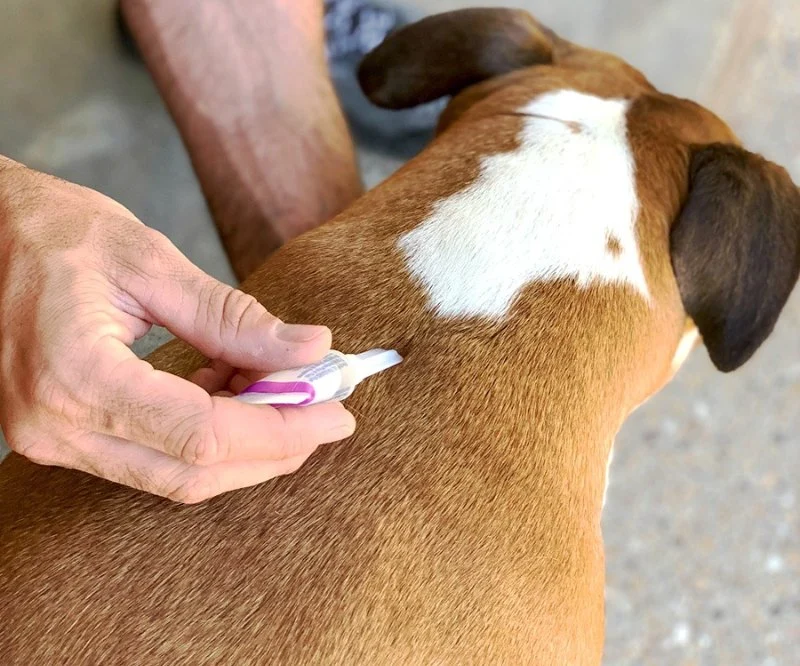
- Flea and Tick Medication: Consult your veterinarian about the best flea and tick prevention medications. Options include topical treatments, oral medications, and flea collars that can prevent these pests for weeks or even months.
- Environmental Control: Keep your home and yard clean. Regularly vacuum carpets and wash your pet’s bedding. Ticks and fleas often hide in the cracks and crevices of your home.
- Avoid High-Risk Areas: When walking your dog, try to avoid areas known for heavy tick infestations, such as tall grass, woods, or areas with many animals.
3. Effective Treatments for Ticks and Fleas
If your pet is already suffering from a tick or flea infestation, prompt treatment is essential. Here are some effective treatment methods:
- Flea Shampoos: Specially formulated flea shampoos can kill fleas and soothe your pet’s skin. Regular bathing can help reduce the number of fleas on your pet.
- Flea Combs: A flea comb is a simple tool that helps to manually remove fleas and eggs from your pet’s coat. Use it after bathing or during regular grooming sessions to help control the infestation.
- Prescription Flea and Tick Treatments: For severe infestations, your vet may prescribe oral or topical treatments that target both fleas and ticks. These treatments are highly effective and provide longer-lasting relief.
- Tick Removal: If you find a tick on your pet, use fine-tipped tweezers to gently remove it, ensuring the entire tick is extracted. After removal, clean the area with antiseptic and monitor for any signs of infection.
4. Natural Remedies for Fleas and Ticks
If you prefer natural treatments, there are a few options you can try to prevent or treat flea and tick infestations:
- Cedarwood Oil: Cedarwood oil is a natural insect repellent. Dilute it and rub it on your pet’s coat, or add it to their shampoo.
- Lemon Spray: A mixture of lemon and water can help kill fleas. Boil a few lemon slices in water and spray the solution on your pet's fur.
- Herbal Flea Powders: Some pet owners use herbal flea powders that contain ingredients like neem and diatomaceous earth, which are effective in repelling pests.
- Apple Cider Vinegar: A diluted apple cider vinegar solution can be used as a rinse after bathing to help repel fleas and soothe itching.
5. Maintaining Your Pet’s Health to Avoid Infestations
Keeping your pet healthy is key to preventing future tick and flea problems. A healthy pet is less likely to attract pests and more capable of fighting off infections. Here are some ways to maintain your pet’s health:
- Balanced Diet: Ensure your pet is on a high-quality, balanced diet that strengthens their immune system and promotes overall health. A healthy pet is less likely to develop severe reactions to flea and tick bites.
- Regular Vet Checkups: Regular visits to the veterinarian are important for keeping your pet’s health in check and for receiving advice on parasite prevention.
- Proper Hydration: Ensure your pet has access to fresh, clean water at all times. Hydration is essential for overall health and helps your pet fight off any parasites.
- Stress Management: Stress weakens your pet’s immune system. Ensure your pet has a calm and comfortable environment, with plenty of exercise and mental stimulation to reduce stress levels.
By following these prevention and treatment steps, you can help your pet live a healthy, flea- and tick-free life. For more information and top-quality pet products, visit Brothers Pets today!





 VIPets Franklin Animal Clinic4.0 (34 reviews)
 Highway 30 Veterinary Clinic4.0 (250 reviews)
 Sugar Land Veterinary Clinic5.0 (80 reviews)
 Long Veterinary Clinic: Gundei Adam M DVM4.0 (17 reviews)
 Henderson County Veterinary Hospital4.0 (224 reviews)
 Le Chat Cat Hospital- Dr. Kathleen Small4.0 (9 reviews)
 How to Spot and Treat Allergies Caused by Food in Pets
 How to Help Your Pet Cope with Separation from You
 How to Improve Your Pet’s Adoption Experience with Confidence and Care
 How to Spot and Treat Endocrine Disorders in Pets
 What Every Pet Owner Should Know About Pet Dental Care
 How to Spot and Treat Pet Ear Infections - A Complete Guide for Pet Owners