
Best Methods for Crate Training a Puppy Successfully
- 1. Understanding the Basics of Crate Training
- 2. Choosing the Right Crate for Your Puppy
- 3. Introducing Your Puppy to the Crate
- 4. Creating Positive Associations with the Crate
- 5. Setting a Consistent Schedule for Crate Training
- 6. Solving Common Crate Training Issues
1. Understanding the Basics of Crate Training
Crate training is a vital tool for helping your puppy adjust to their new home while providing them with a safe and comfortable space. It is not about punishment but rather about teaching your puppy to love their crate as a den—a cozy, secure place where they can rest. The key to successful crate training lies in patience, consistency, and positive reinforcement. By doing so, you can foster trust between you and your puppy and create a lasting bond.
2. Choosing the Right Crate for Your Puppy
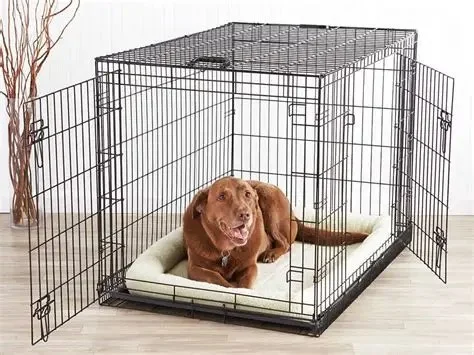
Choosing the appropriate crate for your puppy is an important step in the crate training process. The crate should be large enough for your puppy to stand up, turn around, and lie down comfortably, but not so large that it allows them to use one side as a bathroom. You can select from various types of crates, including wire crates, plastic crates, and fabric soft-sided crates. Each has its own benefits depending on your needs and lifestyle. For example, wire crates are great for ventilation and visibility, while plastic crates offer more privacy for shy puppies.
3. Introducing Your Puppy to the Crate
Introducing your puppy to their crate should be a gradual process to ensure that they associate it with positive experiences. Start by allowing your puppy to explore the crate on their own, leaving the door open, and placing a soft blanket or toy inside. You can also offer treats and meals in the crate to encourage them to spend more time inside. Make sure to keep the door open at first, so your puppy doesn't feel trapped. Gradually, you can start closing the door for short periods of time while they are inside, helping them get accustomed to being crated without fear.
4. Creating Positive Associations with the Crate
It's essential to create a positive connection between your puppy and the crate. This can be achieved by rewarding your puppy with treats, praise, and playtime every time they enter or stay inside the crate. Always avoid using the crate as a form of punishment. Instead, make it a place where they receive their favorite snacks and toys. By creating this association, your puppy will begin to see the crate as a safe and happy space, reducing anxiety and helping them adapt to crate training more easily.
5. Setting a Consistent Schedule for Crate Training
Consistency is key to effective crate training. Set a routine that includes regular crate times for naps, bedtime, and any training sessions. Start with short periods in the crate and gradually extend the time as your puppy gets more comfortable. Additionally, make sure to schedule frequent potty breaks, as young puppies can't hold their bladder for too long. Over time, they will learn to associate the crate with rest and relaxation, making it easier for both of you.
6. Solving Common Crate Training Issues
During the crate training process, you may encounter common challenges, such as whining, barking, or accidents inside the crate. If your puppy is whining, make sure they are not in need of a potty break or feeling discomfort. Gradually increase the amount of time your puppy spends in the crate, so they become accustomed to being inside for longer periods. If your puppy has accidents in the crate, consider adjusting your schedule to allow for more frequent potty breaks. Remember, patience and persistence are key when resolving crate training issues.
By following these methods, you can crate train your puppy successfully, helping them feel secure, comfortable, and well-adjusted in their new environment. Crate training provides many long-term benefits, including housebreaking, safety during travel, and a space where your puppy can retreat when feeling stressed.






 Inman Park Animal Hospital4.0 (562 reviews)
 VCA Miller-Robertson Animal Hospital4.0 (86 reviews)
 Freehaven Farm Limited5.0 (2 reviews)
 Snider Veterinary Services4.0 (541 reviews)
 Veterinary Services of Pawtucket4.0 (145 reviews)
 All Pets Animal Hospital & Rehabilitation Center4.0 (679 reviews)
 Pet Aging: What Vets Want You to Know for Better Senior Pet Care
 The Importance of Regular Grooming for Your Pet
 What to Do If Your Pet Has a Cut or Wound: First Aid Tips
 Understanding Canine Eye Disorders and Prevention – Essential Information for Dog Owners
 How to Properly Handle and Manage Pet Health Records – A Complete Guide
 Understanding Pet Parasites: Prevention and Treatment