
- understanding-pet-aging-process
- signs-of-aging-in-pets-what-to-look-for
- what-veterinarians-want-you-to-know
- managing-healthcare-needs-of-senior-pets
- nutrition-and-diet-adjustments-for-aging-pets
- mental-and-emotional-care-in-the-golden-years
- how-to-create-a-comfortable-lifestyle-for-aging-pets
- where-to-find-support-and-quality-products
1. Understanding the Pet Aging Process
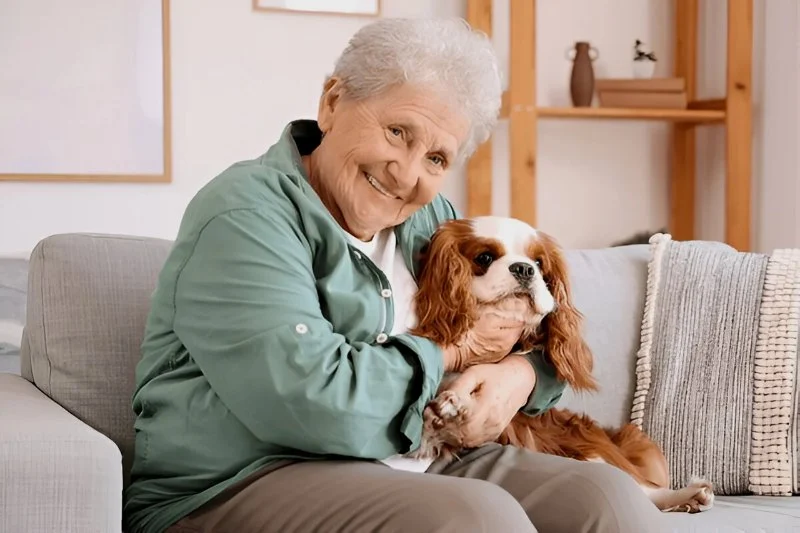
Just like humans, pets experience physical and behavioral changes as they age. However, the pace of aging varies depending on the species, breed, and size of the animal. For instance, large dog breeds tend to age faster than smaller ones. A Labrador may be considered senior by the age of 7, while a Chihuahua might not reach that stage until 10. Veterinarians often refer to the “7-year rule,” but modern research shows that age alone isn't a sufficient indicator of a pet's health. Understanding the nuances of your pet’s aging process is the first step to giving them a better quality of life in their later years.
2. Signs of Aging in Pets: What to Look For
Changes in your pet may be subtle at first—graying fur, slower movement, or an increase in naps. However, some signs may point to underlying health issues that need veterinary attention. Common signs include:
2.1 Reduced Activity and Mobility
Older pets often develop arthritis or joint stiffness. You may notice your dog hesitating to jump onto the couch or your cat avoiding high shelves.
2.2 Behavioral Shifts
Cognitive decline is not uncommon. Pets may appear disoriented, forget training, or even become more anxious or clingy. One pet owner shared how their 12-year-old tabby began meowing at odd hours and staring at walls—classic symptoms of feline cognitive dysfunction.
2.3 Changes in Appetite or Weight
Weight gain can stress aging joints, while weight loss may signal internal issues. Pay attention to eating patterns—both can offer clues about their overall well-being.
3. What Veterinarians Want You to Know
Veterinarians emphasize proactive care. Many age-related issues can be managed—or even prevented—through regular wellness checks and early intervention. Annual vet visits aren’t enough for senior pets. Vets recommend biannual exams for pets over 7 to detect conditions like kidney disease, heart problems, or dental decay early.
3.1 Preventive Screenings Matter
Routine bloodwork, dental evaluations, and x-rays can catch silent diseases. Dr. Anna Morales, a vet with 20 years of experience, says, “The earlier we catch something, the more options we have. Prevention is cheaper and less painful than cure.”
4. Managing the Healthcare Needs of Senior Pets
Your pet’s needs evolve as they grow older. Chronic conditions like diabetes, arthritis, and kidney disease become more common and require ongoing care. This often means medication, specialized diets, and lifestyle changes.
4.1 Medication and Monitoring
Don’t rely on guesswork. Only administer medications approved by your vet. Be wary of over-the-counter supplements unless your vet has recommended them—some may interfere with existing treatments.
4.2 Vet Partnerships
Developing a close relationship with a trusted vet is crucial. Think of them not just as a provider, but a long-term partner in your pet’s care.
5. Nutrition and Diet Adjustments for Aging Pets
Diet is more than just food—it’s medicine. Senior pets often require fewer calories but higher quality nutrients. High-protein, joint-supporting ingredients, and supplements like omega-3 fatty acids can make a significant difference.
5.1 Tailored Diet Plans
Avoid generic food formulas. Consult your vet or look into specialized senior pet diets. For example, Brothers Pets offers a curated range of senior-specific pet foods, rich in glucosamine and low in fillers.
6. Mental and Emotional Care in the Golden Years
Pets have emotional lives, too. Boredom, confusion, and anxiety are common in senior pets. Keep their minds active with puzzles, scent games, or light training.
6.1 Companionship and Routine
Older pets benefit from predictable routines. Knowing when they’ll eat, walk, or rest helps reduce stress and confusion. A pet parent shared how daily brushing sessions with their aging Golden Retriever became not just grooming but bonding time.
7. How to Create a Comfortable Lifestyle for Aging Pets
Comfort is key. Make small changes around the house to help them feel secure and supported.
7.1 Home Modifications
Provide orthopedic bedding, use non-slip mats on floors, and install ramps if needed. These tweaks make a big difference in mobility and safety.
7.2 Exercise, But Gently
Senior pets still need movement. Gentle walks, hydrotherapy, or stretching exercises help maintain muscle tone and joint health.
8. Where to Find Support and Quality Products
It’s not easy navigating the needs of a senior pet, but you’re not alone. From community forums to pet care services, support is out there. For premium pet care products tailored for aging companions, Brothers Pets offers expertly selected items including senior pet food, orthopedic bedding, and mobility aids. Your pet’s comfort and health are worth every effort—and every thoughtful purchase.





 Banfield Pet Hospital3.0 (224 reviews)
 Lakeview Veterinary Clinic4.0 (164 reviews)
 Toadally Frogs LLC4.0 (289 reviews)
 Pembroke Animal Hospital4.0 (331 reviews)
 Hershey Veterinary Hospital4.0 (366 reviews)
 Petland Batavia3.0 (314 reviews)
 Senior Dog Joint Health: Supplements, Gentle Exercises, and Home Care for Better Mobility
 Common Mistakes in Pet Adoption and How to Avoid Them
 Understanding Canine Hip Health and Exercise Needs: Key Insights
 How to Care for Your Pet's Eyes and Ears
 Top 11 Tips for Veterinary Advice Every Pet Owner Should Know
 How to Choose the Right Pet Boarding Facility | Brothers Pets