
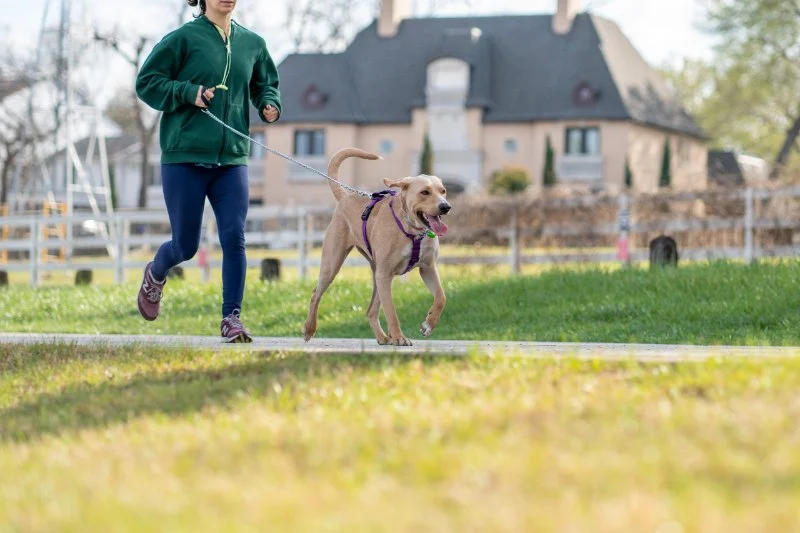
- Why Regular Exercise Is Essential for Your Pet
- The Physical Health Benefits of Exercise
- Mental and Emotional Benefits of Pet Exercise
- Different Exercise Needs for Different Pets
- Real-Life Examples of Exercise Transformations
- How to Create an Effective Exercise Routine
- Common Mistakes Pet Owners Make
- Find Pet Exercise Tools and Guides at Brothers Pets
1. Why Regular Exercise Is Essential for Your Pet
Every pet, whether a playful puppy or a lazy cat, needs consistent physical activity to stay healthy. The importance of regular exercise for your pet goes beyond just keeping them fit—it’s about improving their quality of life. Exercise helps maintain a balanced metabolism, supports joint and bone health, and prevents obesity-related diseases that are increasingly common among American pets today.
In the U.S., more than 55% of dogs and cats are overweight, according to the Association for Pet Obesity Prevention. This isn’t just a cosmetic concern—it leads to serious health risks like diabetes, arthritis, and heart disease. Regular walks, playtime, or even agility training can make a tremendous difference in your pet’s overall well-being.
2. The Physical Health Benefits of Exercise
Exercise helps your pet build strong muscles, maintain a healthy weight, and improve cardiovascular health. For dogs, activities such as walking, running, or playing fetch enhance endurance and strengthen their heart. For cats, daily play sessions with toys or climbing structures help maintain mobility and flexibility, particularly as they age.
Regular activity also supports digestive health by promoting better metabolism. Pets who exercise daily are less likely to suffer from constipation, bloating, or other gastrointestinal issues. A well-exercised pet simply lives longer and feels better—both inside and out.
3. Mental and Emotional Benefits of Pet Exercise
Just like humans, pets experience stress and boredom. Without proper mental stimulation, dogs may develop destructive behaviours like chewing furniture, while cats may over-groom or become withdrawn. Exercise serves as a natural stress reliever, releasing endorphins that improve mood and reduce anxiety.
Interactive playtime also strengthens the bond between you and your pet. A dog that enjoys regular walks is more responsive and obedient. A cat that gets daily playtime becomes more affectionate and confident. Movement isn’t just physical—it’s emotional therapy, too.
4. Different Exercise Needs for Different Pets
Each pet has unique exercise needs depending on species, breed, and age. High-energy dogs like Border Collies or Labradors require vigorous activity—running, hiking, or agility games—to stay balanced. Smaller breeds such as French Bulldogs or Pugs, on the other hand, need shorter, less intense sessions due to respiratory limitations.
Cats benefit from short bursts of play involving hunting instincts—laser pointers, feather toys, or tunnels keep them engaged. Even small pets like rabbits, ferrets, and guinea pigs need regular time outside their cages to stretch and explore safely. The key is consistency and tailoring the routine to your pet’s abilities.
5. Real-Life Examples of Exercise Transformations
One heartwarming story comes from a shelter in Texas where a 9-year-old beagle named Daisy was nearly 20 pounds overweight. After months of gentle daily walks and swimming sessions, Daisy not only lost the excess weight but regained her energy and playful spirit. Her transformation inspired dozens of local pet owners to start regular exercise routines with their animals.
Another example comes from an indoor cat named Milo in Chicago. After his owner introduced a 15-minute daily play routine using puzzle feeders and laser toys, Milo’s anxiety levels dropped, and he stopped scratching furniture. These real-life cases prove that even small, consistent efforts make an enormous impact on a pet’s happiness.
6. How to Create an Effective Exercise Routine
Start with achievable goals based on your pet’s age and health. Puppies and kittens need multiple short play sessions per day, while adult pets may prefer one longer, structured activity. Always include variety—mix walks with fetch games or alternate between indoor and outdoor play to prevent boredom.
Consistency matters more than intensity. Even 20 minutes of movement a day can make a big difference. Track your pet’s progress and gradually increase activity levels to keep them challenged and motivated.
7. Common Mistakes Pet Owners Make
One common mistake is assuming that letting a dog into the yard equals exercise. Without structured play or engagement, pets often remain sedentary. Another error is over-exercising, especially for young or elderly pets, which can lead to joint injuries or exhaustion. Always watch for signs of fatigue, like heavy panting or limping, and adjust accordingly.
Additionally, skipping exercise during extreme weather is understandable—but alternative indoor activities should replace outdoor walks. Simple games like hide-and-seek or stair climbing can keep your pet active even on rainy or snowy days.
8. Find Pet Exercise Tools and Guides at Brothers Pets
To make your pet’s exercise routine fun, safe, and effective, explore expert advice and premium products at Brothers Pets. From durable leashes and chew-resistant toys to nutritional supplements that support joint health, Brothers Pets provides everything you need to keep your furry friend active and happy. Whether you’re a first-time owner or a seasoned pet parent, Brothers Pets helps you create a healthier, more energetic life for your animal companion.






 The Fe Animal Hospital4.0 (488 reviews)
 Vetco Total Care Animal Hospital4.0 (317 reviews)
 Marysville Animal Care Center4.0 (288 reviews)
 GoodVets Cary4.0 (31 reviews)
 Unleashed by Petco4.0 (294 reviews)
 All the Fixin's3.0 (93 reviews)
 How to Prevent and Treat Heatstroke in Dogs During Summer: A Complete Guide
 The Importance of Regular Exercise for Your Pet – Healthy Habits with Brothers Pets
 Tips for Safe Hiking and Outdoor Activities with Dogs – Expert Advice for Adventurous Pet Owners
 Understanding Canine Eye Disorders and Prevention: A Guide for Dog Owners
 How to Provide Comfort and Care for Your Pet During Illness: Essential Tips for Pet Owners
 Common Mistakes in Pet Vaccination and How to Avoid Them