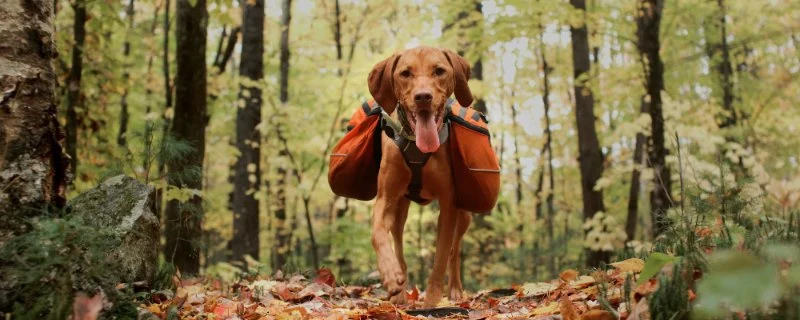
Tips for Safe Hiking and Outdoor Activities with Dogs
1 - Why Hiking with Dogs is a Great Experience
Hiking with your dog offers numerous benefits for both you and your furry companion. It not only provides great exercise for both of you but also allows you to spend quality time together in nature. Dogs, especially active breeds, enjoy exploring new terrains, which makes hiking a perfect way to stimulate their mind and body. It also allows them to experience new smells, sounds, and sights, which is beneficial for their mental well-being. However, it’s crucial to take the proper precautions to ensure a safe and enjoyable experience for both of you.
2 - Essential Safety Gear for You and Your Dog
Before embarking on any hiking adventure, make sure you have the appropriate safety gear for both yourself and your dog. Some essential items include:
- Dog Hiking Harness: A good harness provides control and support, especially when navigating difficult terrain. It’s a safer alternative to a collar.
- Leash: Always keep your dog on a leash, even in dog-friendly areas, to prevent them from running off and potentially encountering wildlife or other hazards.
- Water and Bowl: Dehydration is a risk for both dogs and humans. Always carry enough water and a portable bowl for your dog to drink from during the hike.
- Dog Boots: If hiking in rocky or rough terrain, consider investing in dog boots to protect their paws from sharp objects or hot surfaces.
- First Aid Kit: Pack a basic first aid kit that includes bandages, antiseptic wipes, and tick removers. Dogs are also susceptible to injuries, so it’s better to be prepared.
3 - How to Prepare for a Safe Outdoor Adventure
Preparation is key when hiking with dogs. Here are a few steps to take before heading out:
- Check Your Dog’s Fitness Level: Ensure your dog is physically fit for the hike. If your dog isn’t accustomed to long walks, start with shorter trails and gradually build up the distance.
- Research the Trail: Not all trails are dog-friendly. Make sure the trail you choose is safe for dogs and that there are no restrictions in place. Additionally, check the weather forecast to avoid hiking in extreme conditions.
- Pack Extra Supplies: Bring snacks for both you and your dog, especially if you’re planning a longer hike. Also, consider packing waste bags to clean up after your dog.
4 - Common Hiking Hazards and How to Avoid Them
While hiking with your dog can be a great experience, there are several hazards to be aware of. Knowing how to avoid them will ensure a safer outing:
- Heatstroke: Dogs can overheat quickly, especially in the summer months. Be mindful of the temperature, and take frequent breaks in the shade. Carry water for both you and your dog to stay hydrated.
- Wildlife: Dogs are curious by nature and may encounter wildlife such as snakes, deer, or even larger animals. Keep your dog on a leash to avoid any potential confrontations.
- Ticks and Fleas: Ticks can transmit diseases to both humans and dogs. Before hiking, apply a flea and tick prevention treatment to your dog, and check them thoroughly after the hike.
- Rough Terrain: Be cautious of uneven terrain, steep slopes, or slippery rocks. This is especially important for dogs with joint issues or older dogs who may have difficulty navigating tough terrain.
5 - Post-Hike Care for Your Dog
Once the hike is over, it’s important to provide proper care to help your dog recover:
- Check for Injuries: After the hike, check your dog’s paws for cuts, abrasions, or blisters. Clean and bandage any wounds if necessary.
- Hydrate: Ensure your dog has access to fresh water immediately after the hike to rehydrate. Hydration is essential to prevent exhaustion.
- Rest and Recovery: Allow your dog to rest after the hike, especially if it was a long or strenuous adventure. This helps prevent soreness and muscle strain.
Hiking with your dog can be a rewarding experience that strengthens the bond between you and your pet while providing them with a healthy outlet for exercise. By following these tips, you’ll ensure that both you and your dog stay safe and enjoy the great outdoors. For all your pet needs, be sure to check out Brothers Pets for the best products and services to make your outdoor adventures even better!





 Chesdin Animal Hospital4.0 (726 reviews)
 Del Ray Animal Hospital4.0 (376 reviews)
 Belton Animal Clinic & Exotic Care Center4.0 (596 reviews)
 Mirthwood Medicine5.0 (6 reviews)
 Chester Animal Clinic4.0 (458 reviews)
 Fredericksburg Animal Hospital4.0 (274 reviews)
 Understanding and Managing Urinary Issues in Dogs | Expert Care Tips
 How to Socialize Your Cat Without Stress – Tips for a Positive Experience
 Expert Advice on Pet Health for Smarter, Happier Care
 Benefits of Omega-3 Fatty Acids for Pets: Improve Health and Wellness
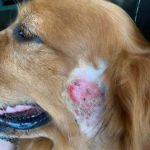 How to Spot and Treat Hot Spots on Dogs
 How to Help Your Pet Adjust to a New Home: A Comprehensive Guide