
- 1- Understanding Obesity in Indoor Dogs
- 2- Importance of Daily Exercise for Dogs
- 3- Creating an Exercise Routine for Indoor Dogs
- 4- Signs of Obesity in Dogs and How to Prevent It
- 5- Why Choose Brothers Pets for Your Dog's Health
1- Understanding Obesity in Indoor Dogs
Obesity in indoor dogs is a growing concern among pet owners, as many dogs spend most of their time inside with limited opportunities for physical activity. Just like humans, when dogs consume more calories than they burn, excess weight begins to accumulate. This can lead to several health problems, including joint issues, diabetes, and heart disease. Preventing obesity in dogs starts with understanding the risks and taking proactive steps to ensure your pet stays healthy and active.
Indoor dogs, in particular, may face a higher risk of obesity because they have less access to outdoor spaces where they can naturally burn off energy. Additionally, many pet owners underestimate the amount of exercise their dogs need to maintain a healthy weight. By incorporating regular exercise into their daily routine, you can help prevent obesity and improve your dog’s overall health.
2- Importance of Daily Exercise for Dogs
Just like people, dogs need regular exercise to stay healthy, both physically and mentally. Exercise helps dogs burn off excess calories, promotes a healthy weight, and reduces the risk of developing obesity-related health conditions. Here are some key reasons why daily exercise is essential for dogs:
1. Weight Management
Daily physical activity helps your dog burn off calories and maintain a healthy weight. Without adequate exercise, even a balanced diet can lead to weight gain, especially in indoor dogs who may not have enough space to move around freely.
2. Mental Stimulation
Exercise is not only good for your dog’s physical health, but it also provides much-needed mental stimulation. Engaging in play and interactive activities can prevent boredom, which is a common cause of undesirable behaviors in dogs, such as chewing or excessive barking.
3. Joint and Muscle Health
Regular exercise keeps your dog’s muscles strong and their joints flexible. This is especially important as they age, as it helps prevent conditions like arthritis and promotes overall mobility and flexibility.
3- Creating an Exercise Routine for Indoor Dogs
For indoor dogs, it’s essential to create a structured exercise routine that fits within your home environment. Here are some practical ways to keep your dog active indoors:
1. Interactive Playtime
Engage your dog with interactive toys like fetch balls, tug ropes, or puzzle toys. These activities provide both physical and mental exercise. Try setting aside at least 30 minutes to an hour of active play each day to ensure your dog is getting enough stimulation.
2. Indoor Walking or Running
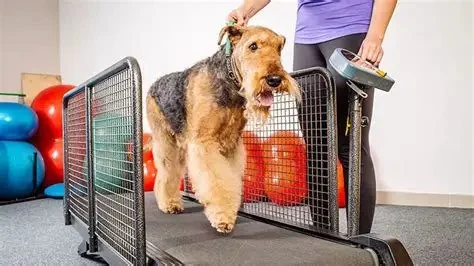
If space allows, you can create a mini indoor walking route for your dog. Walking around the house or hallway can be an easy way to get some exercise in. For more energetic dogs, consider running with them in the yard or using a treadmill designed for dogs to burn off energy in a controlled environment.
3. Training Sessions
Training exercises are a great way to provide mental stimulation while encouraging physical activity. Teach your dog new tricks or reinforce old ones, as training sessions can tire them out just as much as physical activity.
4. Play Dates with Other Dogs
If you have other dogs or friends with dogs, arrange playdates to let your dog interact and engage in physical play. This provides both socialization and exercise, which is essential for your dog’s well-being.
4- Signs of Obesity in Dogs and How to Prevent It
Obesity can sometimes sneak up on pet owners, but there are several signs to watch for that may indicate your dog is carrying excess weight:
1. Difficulty Breathing or Panting
If your dog is overweight, they may have trouble breathing, especially after exercise. Excess weight puts a strain on their respiratory system, making it harder for them to catch their breath.
2. Decreased Activity Levels
Overweight dogs often become lethargic and less enthusiastic about physical activity. If your dog is refusing to engage in their usual play or walks, it may be time to check their weight.
3. Noticeable Weight Gain
Check for signs of fat deposits around your dog’s abdomen, chest, or hips. A noticeable change in their body shape or a significant increase in weight can be a red flag that your dog is becoming obese.
4. Reduced Lifespan
Obesity can lead to a shorter lifespan in dogs, just like in humans. Maintaining a healthy weight is critical for your dog’s overall health and longevity.
5- Why Choose Brothers Pets for Your Dog's Health
At Brothers Pets, we understand how important it is to keep your dog healthy and active. Our wide selection of pet products, from exercise equipment to healthy dog food, can help support your dog’s fitness and weight management needs. Whether you're looking for toys to keep your dog active or advice on maintaining a healthy lifestyle, we’re here to help. Visit Brothers Pets today for everything you need to ensure your dog stays fit, happy, and healthy!




 Crofton Veterinary Center4.0 (282 reviews)
 Tampa Bay Veterinary Specialists & Emergency Care Center4.0 (651 reviews)
 Pet Paradise4.0 (246 reviews)
 Vetco Total Care Animal Hospital4.0 (226 reviews)
 Plymouth Animal Hospital4.0 (169 reviews)
 Penn Hills Veterinary Hospital4.0 (72 reviews)
 Understanding Pet Allergies: Symptoms and Treatment Options | Brothers Pets
 How to Recognize and Treat Ear Infections in Pets
 How to Manage Your Pet's Stress and Anxiety Levels: Effective Tips and Strategies
 Signs Your Senior Cat May Have Kidney Problems
 How to Choose the Right Vet for Your Pet's Specific Needs
 Top 7 Expert Tips for Ensuring Pet Safety at Home and On the Go