

- 1-Understanding Pet Grief
- 2-Signs Your Pet Is Grieving
- 3-Ways to Help Your Pet Cope with Loss
- 4-When to Seek Professional Help for Your Pet
- 5-Additional Support for You and Your Pet
1-Understanding Pet Grief
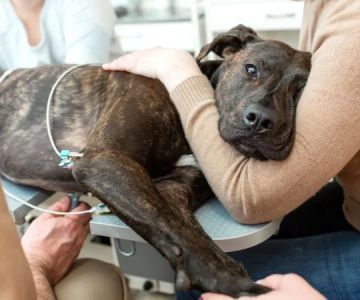
Just like humans, pets can experience grief when they lose a loved one, whether it's another pet, a family member, or even a frequent visitor. The emotional bond between pets and their companions is deep, and the absence of a familiar presence can leave pets feeling confused, anxious, and sad.
Research has shown that pets, especially dogs and cats, have complex emotions and can form strong attachments. This emotional intelligence allows them to feel the loss and experience grief in their own way. Understanding that your pet’s behavior might change during this time is the first step in helping them cope.
2-Signs Your Pet Is Grieving
Grief in pets may manifest in several ways, and recognizing these signs early can help you address their needs. Common signs that your pet is grieving include:
- Changes in Behavior: Your pet may become withdrawn, less playful, or more lethargic than usual.
- Loss of Appetite: Pets may refuse food or eat much less when grieving.
- Increased Anxiety: Grieving pets often display anxiety, such as excessive barking, whining, or destructive behavior.
- Searching Behavior: Some pets will search for the lost loved one, roaming the house or looking in places where they used to interact.
While some of these behaviors are typical for pets grieving, it’s essential to monitor them closely. If the signs persist for an extended period, it may be time to seek professional help.
3-Ways to Help Your Pet Cope with Loss
Helping your pet through grief requires patience, understanding, and gentle care. Here are some effective ways to support your grieving pet:
- Maintain a Routine: Pets thrive on routine, and sticking to familiar schedules can provide a sense of security during this uncertain time. Feed your pet at the usual times and engage in regular walks or playtime to maintain consistency.
- Provide Extra Attention: Spend more time with your pet, offering affection and comfort. If they seek your attention, respond with calmness and love to help them feel secure.
- Encourage Play and Exercise: Grieving pets may lose interest in play, but gentle encouragement to engage in light activities can help them reestablish a sense of normalcy. Exercise also helps reduce stress and anxiety.
- Introduce New Positive Experiences: New experiences, such as a new toy, a different walking route, or a visit to a new place, can help shift their focus and provide a welcome distraction.
By offering consistent love and reassurance, you can help your pet heal emotionally and regain their balance after the loss of a loved one.
4-When to Seek Professional Help for Your Pet
While many pets will adjust over time, some may struggle more with grief and show signs of depression or anxiety. If your pet’s grief seems to persist for weeks or months, or if their behavior is becoming increasingly disruptive, it might be time to seek professional help.
A veterinarian or pet behaviorist can help assess your pet's emotional state and recommend treatments such as behavioral therapy or medications to alleviate their distress. Professional guidance can make a significant difference in your pet’s ability to cope with loss.
5-Additional Support for You and Your Pet
The loss of a loved one is challenging for both pets and their owners. As you help your pet through their grief, remember to also take care of your own emotional well-being. You might consider joining a pet loss support group or speaking with a counselor to navigate your own feelings of loss and ensure you remain strong for your pet.
In addition, if you're looking for ways to comfort your pet, explore the range of calming products available at Brothers Pets, such as soothing pet beds, anxiety wraps, and comforting toys designed to help ease the emotional burden of grief.





 Elite Menagerie Habitats4.0 (97 reviews)
 BluePearl Pet Hospital3.0 (571 reviews)
 VCA Beltline East Animal Hospital3.0 (89 reviews)
 Acequia Animal Hospital4.0 (395 reviews)
 Mason Dixon Animal Emergency Hospital4.0 (321 reviews)
 Animal World Adventures4.0 (158 reviews)
 How to Bathe Your Dog at Home Without Stress
 How to Support a Dog Recovering from Surgery: Tips for Pet Owners
 How to Train Your Pet to Be Comfortable with Veterinary Visits – A Step-by-Step Guide
 Top 10 Tips for Pet Health - Expert Advice for Happy, Healthy Pets
 The Ultimate Guide to Parasite Prevention
 How to Prevent and Treat Pet Allergies to Food and Environment