
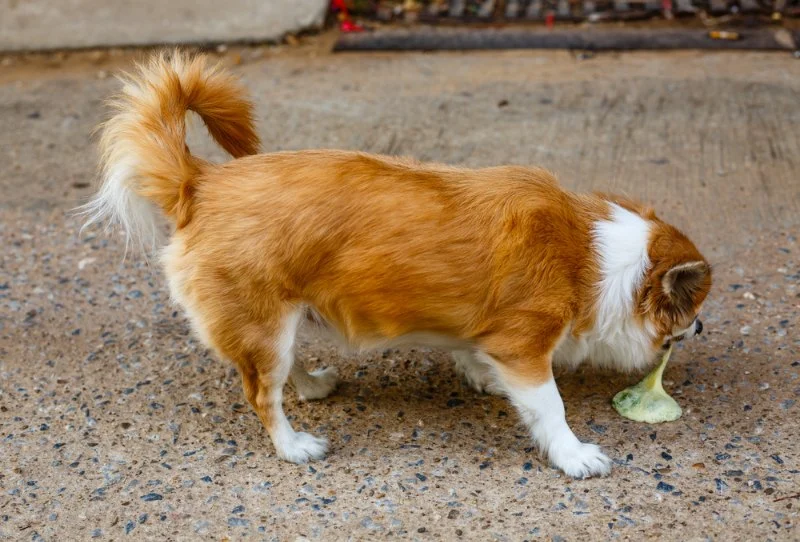
- Identifying Vomiting in Dogs
- Common Causes of Dog Vomiting
- When to Seek Veterinary Help
- Treatments for Vomiting in Dogs
- Preventive Care for Dog Health
Identifying Vomiting in Dogs
Vomiting in dogs is a common issue, and it can be concerning for pet owners. It’s important to distinguish between occasional vomiting and a serious medical problem. Here’s how you can identify vomiting in your dog:
- Appearance: Vomit may vary in color and content, including food, bile, or even foam. The appearance can give you clues about the cause.
- Frequency: If vomiting occurs occasionally, it might be harmless. However, frequent or persistent vomiting requires attention.
- Accompanying Symptoms: Look for other signs like lethargy, diarrhea, or changes in appetite. These could indicate an underlying health issue.
If your dog is vomiting repeatedly, or if the vomit contains blood or unusual substances, it’s time to seek professional help.
Common Causes of Dog Vomiting
There are many reasons why a dog might vomit. Understanding the potential causes can help you determine the best course of action. Here are some of the most common reasons:
- Dietary Indiscretion: Dogs often eat things they shouldn’t, such as spoiled food, garbage, or foreign objects. This can cause vomiting.
- Gastrointestinal Issues: Conditions like gastritis or pancreatitis can lead to vomiting. Infections, parasites, or food intolerances also play a role.
- Motion Sickness: Just like humans, some dogs experience motion sickness while traveling, which can result in vomiting.
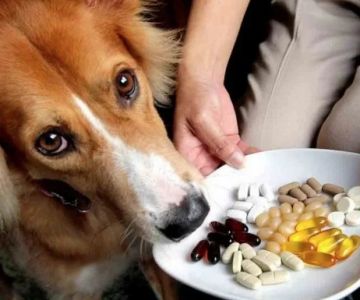
- Ingestion of Toxic Substances: Common household toxins, such as chocolate, plants, or chemicals, can cause vomiting in dogs. Immediate action is required in these cases.
- Stress or Anxiety: Emotional stress or anxiety can also trigger vomiting in dogs, particularly in stressful environments.
Identifying the underlying cause of vomiting is crucial for proper treatment. Keep track of your dog’s behavior and eating habits to help pinpoint the cause.
When to Seek Veterinary Help
While occasional vomiting may not be a cause for concern, there are times when you should seek veterinary attention:
- Persistent Vomiting: If your dog vomits multiple times a day or for several days in a row, it’s important to consult a vet.
- Vomiting with Blood: Blood in the vomit can indicate a serious condition such as a gastric ulcer, internal bleeding, or poisoning. Immediate veterinary care is necessary.
- Other Symptoms: If vomiting is accompanied by lethargy, dehydration, diarrhea, or a loss of appetite, it may signal a more serious issue that requires professional evaluation.
- Young or Old Dogs: Puppies and senior dogs are more vulnerable to health issues and should be seen by a vet sooner rather than later if vomiting occurs.
It’s always better to err on the side of caution when it comes to your dog’s health. Early intervention can prevent more serious conditions.
Treatments for Vomiting in Dogs
Treating vomiting in dogs depends on the underlying cause. Here are some common treatments:
- Hydration: Vomiting can lead to dehydration, so it's crucial to offer your dog small amounts of water or an electrolyte solution to keep them hydrated.
- Fasting: Your vet may recommend fasting your dog for 12-24 hours to allow their stomach to settle before reintroducing food gradually.
- Prescription Medications: If the vomiting is caused by gastrointestinal issues or infection, your vet may prescribe medication to treat the condition.
- Dietary Changes: If food intolerance is the cause, a specialized diet or hypoallergenic food may be recommended to avoid further upset.
- Treatment for Toxicity: In cases of poisoning, treatment may involve inducing vomiting or administering activated charcoal to absorb toxins.
Follow your veterinarian’s advice on treatment and make sure to monitor your dog closely during recovery.
Preventive Care for Dog Health
While it’s important to know how to treat vomiting, prevention is always the best approach. Here are some steps you can take to keep your dog healthy:
- Regular Vet Check-ups: Regular veterinary visits can help catch health issues early and prevent conditions that lead to vomiting.
- Proper Diet: Ensure your dog is eating a balanced diet that is appropriate for their breed and age. Avoid giving them table scraps or foods that can upset their stomach.
- Safe Environment: Keep toxic substances, plants, and chemicals out of reach to prevent accidental poisoning.
- Stress Reduction: Minimize stress by maintaining a consistent routine and providing a calm environment for your dog.
By taking these preventive steps, you can reduce the chances of vomiting and ensure your dog stays healthy and happy.
For more expert advice on keeping your dog healthy, visit Brothers Pets, where we offer a wide range of products and services to help keep your furry friends in top condition.




 PAWsitively Sweet Bakery0.0 (0 reviews)
 Top Dog Pet Store Riverside4.0 (26 reviews)
 Sheehan Veterinary Centre4.0 (208 reviews)
 All The Best Pet Care - Issaquah4.0 (226 reviews)
 Dry Creek Animal Hospital4.0 (33 reviews)
 Veterinary Clinic (Gateway Pet Guardians)0.0 (0 reviews)
 How to Prepare Your Dog for a Vet Visit Stress-Free
 How to Spot and Treat Hip Dysplasia in Dogs: A Complete Guide
 How to Spot Early Signs of Cancer in Pets and What to Do Next
 The Ultimate Guide to Veterinary Advice
 Traveling with Pets: Tips for a Safe and Comfortable Journey
 How to Manage Your Pet’s Anxiety During Vet Visits