
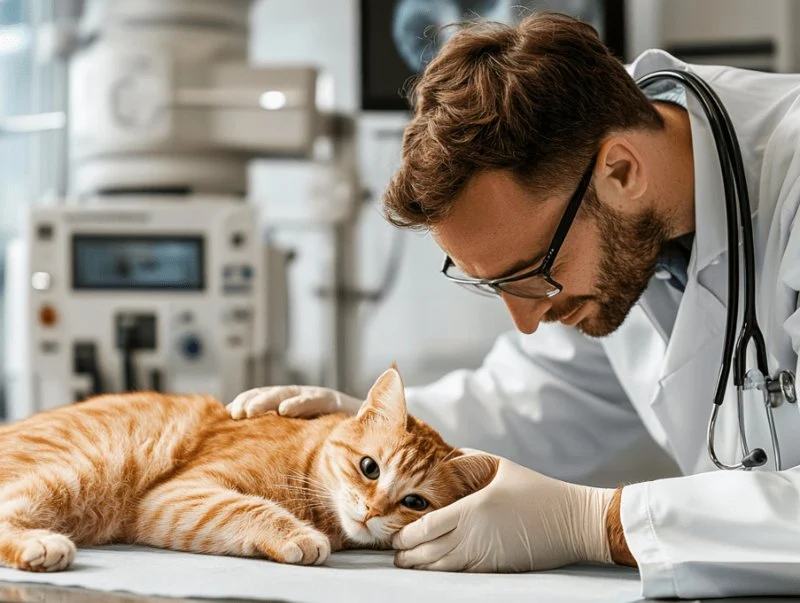
- 1. Overview of Spaying and Neutering
- 2. Health Benefits of Spaying and Neutering
- 3. How Spaying and Neutering Improve Pet Behavior
- 4. Long-Term Advantages of Spaying and Neutering
- 5. Common Misconceptions about Spaying and Neutering
- 6. Real-Life Case Studies of Spaying and Neutering
- 7. Recommendations for Pet Owners
1. Overview of Spaying and Neutering
Spaying and neutering are common veterinary procedures that involve the removal of a pet’s reproductive organs. Spaying refers to the removal of a female pet’s ovaries and uterus, while neutering generally refers to the removal of a male pet’s testicles. These procedures are widely recommended by veterinarians for a variety of reasons, from improving health and behavior to preventing unwanted pregnancies and reducing the strain on animal shelters.
2. Health Benefits of Spaying and Neutering
One of the key reasons to spay or neuter your pet is the numerous health benefits it provides. For female pets, spaying eliminates the risk of ovarian and uterine cancers, as well as the potential for uterine infections. Neutering male pets can prevent testicular cancer and reduce the risk of prostate problems. Additionally, spaying and neutering help in reducing the number of unwanted pets that contribute to overpopulation and strain animal shelters.
Reduction in Cancer Risks
Both male and female pets benefit from a reduced risk of certain types of cancer. Spaying removes the uterus and ovaries in females, significantly lowering the chances of uterine cancer and eliminating the possibility of ovarian cancer. Neutering male pets can prevent testicular cancer, which is a common issue among intact males.
Prevention of Reproductive System Issues
In addition to cancer prevention, spaying and neutering can also prevent reproductive system diseases. For instance, unspayed female dogs are at risk for pyometra, a life-threatening infection of the uterus. Neutered male pets are less likely to develop prostate issues, which can cause pain and difficulty urinating.
3. How Spaying and Neutering Improve Pet Behavior
Spaying and neutering have a profound effect on pet behavior, making them calmer and more manageable. Intact pets often exhibit more territorial behaviors, such as marking territory, aggressive tendencies, or the urge to roam in search of a mate. Neutering male pets, in particular, often reduces these behaviors, leading to a more peaceful and well-behaved companion.
Reduction in Aggressive Behavior
Unneutered male pets can exhibit aggression towards other animals or even humans. This aggression is often driven by the need to protect their territory or assert dominance. Neutering can reduce these aggressive tendencies, making them less confrontational and more sociable.
Less Roaming and Escaping
Pets that are not spayed or neutered often feel a strong urge to roam in search of a mate. This can lead to escaping from the yard or becoming lost. Neutering eliminates this instinct, keeping your pet closer to home and reducing the chances of them getting injured or lost.
4. Long-Term Advantages of Spaying and Neutering
In the long term, spaying and neutering can lead to healthier, happier pets. These procedures help extend your pet's lifespan by preventing certain health conditions and improving their quality of life. Additionally, pets that have been spayed or neutered are less likely to engage in harmful behaviors, leading to stronger bonds with their families and fewer behavioral issues.
Longer Life Expectancy
Research has shown that spayed and neutered pets often live longer than their intact counterparts. By eliminating the risk of reproductive cancers and other health complications, these pets tend to enjoy better overall health as they age.
Fewer Behavioral Problems
Spayed and neutered pets are less likely to develop undesirable behaviors like marking territory, excessive barking, or aggression. As a result, they can have a more stable and happy home life, with fewer conflicts with other pets or family members.
5. Common Misconceptions about Spaying and Neutering
While spaying and neutering are widely recommended by veterinarians, many pet owners still have misconceptions about these procedures. Some believe that it will change their pet’s personality or cause them to become lazy or overweight. However, studies show that pets who are spayed or neutered are just as energetic and happy as those who are not, as long as they receive proper care, nutrition, and exercise.
Myths About Weight Gain
A common misconception is that spaying or neutering will lead to significant weight gain. While it’s true that metabolism may slow down after the procedure, this can be managed with a healthy diet and regular exercise. The key to maintaining a healthy weight is ensuring that your pet gets the right amount of food and activity for their age and breed.
6. Real-Life Case Studies of Spaying and Neutering
Many pet owners report positive experiences after spaying or neutering their pets. For example, one case involved a male dog who had been exhibiting territorial aggression and frequent roaming. After being neutered, the dog became much more relaxed, less aggressive, and stopped escaping the yard. Another case involved a female cat who was at high risk for developing uterine infections. After being spayed, the cat’s overall health improved, and she became more affectionate and playful.
7. Recommendations for Pet Owners
For pet owners considering spaying or neutering, it’s essential to consult with your veterinarian to determine the best time for the procedure. Generally, it’s recommended to spay or neuter pets between six and nine months of age, but it can be done earlier or later depending on the breed and individual health considerations. By spaying or neutering your pet, you’re not only improving their health and behavior but also contributing to the overall welfare of pets in your community.
If you're looking for quality pet products, services, or advice, visit Brothers Pets for the best options to ensure your pet lives a healthy and happy life.






 Briarwood Veterinary Hospital4.0 (211 reviews)
 Henderson Veterinary Medical Center4.0 (165 reviews)
 Puppy Heaven - Teacup & Toy Puppies for Sale4.0 (803 reviews)
 Pet Medical Center Of Westerville4.0 (166 reviews)
 White Oak Veterinary Clinic4.0 (195 reviews)
 NoahsReefs1.0 (2 reviews)
 How to Teach Your Pet to Respond to Basic Commands | Brothers Pets
 What Every Pet Owner Should Know About Pet Dental Care
 How to Spot and Treat Dehydration in Pets | Brothers Pets
 How to Prevent and Treat Pet Fleas Naturally: Safe Solutions for Your Pet
 Why Pet Insurance Can Save You Thousands in Emergency Vet Bills
 Is Your Pet’s Mental Health on Track? Signs & Tips for U.S. Owners