

- recognizing-pet-mental-health-warning-signs
- understanding-behavioral-changes-in-pets
- environmental-and-emotional-triggers
- how-to-support-your-pets-mental-well-being
- real-stories-pet-mental-health-turnarounds
- when-to-seek-professional-help-for-your-pet
1. Recognizing Pet Mental Health Warning Signs
Just like humans, pets can suffer from anxiety, depression, and stress-related conditions. The question "Is your pet’s mental health on track?" isn't just for veterinarians—it's something every responsible pet owner should be asking.
Look out for key signs: decreased appetite, sudden aggression, excessive grooming, hiding more than usual, or a lack of interest in playtime. These behaviors are red flags that shouldn't be dismissed as "just a phase."
2. Understanding Behavioral Changes in Pets
Changes in your pet’s routine or environment can significantly affect their mental health. For instance, a move to a new home or the loss of a companion (human or animal) often leads to observable shifts in behavior.
In one case shared on a pet forum, a Labrador started refusing food and lying in a dark corner after his owner's work schedule changed drastically. The cause wasn't physical—it was loneliness and confusion.
Understanding the cause behind these behaviors is the first step in offering the right support and ensuring your pet’s mental wellness.
3. Environmental and Emotional Triggers
Noise sensitivity, boredom, confinement, or lack of mental stimulation are common causes of poor pet mental health. Dogs and cats, especially intelligent breeds, thrive on engagement and interaction. Left alone for long periods or in overstimulating environments, their stress levels can spike.
Creating a calm, enriched space helps. Puzzle toys, soft bedding, predictable routines, and designated quiet areas can work wonders. At Brothers Pets, you can find enrichment tools tailored to your pet’s personality and energy level—whether they need stimulation or soothing.
4. How to Support Your Pet’s Mental Well-being
Supporting mental wellness goes beyond treats and belly rubs. It involves consistent positive interaction, physical activity, and clear boundaries. Dogs benefit from regular walks, training games, and socialization. Cats often prefer vertical space, scratching posts, and interactive play.
Daily routines are critical. Feeding, walking, and bedtime should occur at similar times every day to give your pet a stable sense of security. If you're unsure what tools or toys are best, Brothers Pets has knowledgeable staff and curated products for both mental and physical pet wellness.
5. Real Stories: Pet Mental Health Turnarounds
Take the story of Bella, a rescue cat who wouldn’t come out from under the couch for weeks. Her new owner tried pheromone diffusers, calming collars, and regular brushing. Slowly but surely, Bella began to explore the home again and now naps beside her owner daily.
Another example is Max, a beagle who developed separation anxiety post-COVID lockdowns. Through crate training, music therapy, and treat-based puzzles, his family was able to ease his distress and rebuild his confidence.
These turnarounds weren’t overnight miracles—they were the result of dedication and using the right tools and understanding.
6. When to Seek Professional Help for Your Pet
If your pet shows consistent symptoms of distress despite changes in routine, it may be time to consult a professional. Veterinary behaviorists and pet therapists specialize in mental health and can offer diagnoses and tailored treatment plans.
Don’t wait until the behavior becomes destructive or your pet’s quality of life declines. Prevention and early intervention are key. For helpful guidance and products specifically designed to support your pet’s emotional well-being, visit Brothers Pets. Your pet deserves a life that’s not just physically healthy—but mentally thriving too.






 McPheron Animal Clinic4.0 (225 reviews)
 VIP Petcare Vaccination Clinic0.0 (0 reviews)
 Shoreline Veterinary Hospital4.0 (145 reviews)
 Glen Lake Animal Hospital3.0 (16 reviews)
 Allen Animal Hospital4.0 (192 reviews)
 Luci's Pet Pantry4.0 (11 reviews)
 Managing Senior Dog Anxiety Through Routine and Exercise
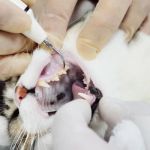 Signs Your Cat Needs Professional Dental Cleaning
 How to Choose the Best Diet for Your Pet’s Age and Health Needs
 Understanding Canine Diabetes and Dietary Needs: A Guide for Pet Owners
 Tips for Reducing Shedding in Long-Haired Dogs | Grooming Advice
 What Every Pet Owner Should Know About Pet Aging