
How to Prevent and Treat Parasites in Pets
- 1. Understanding Common Pet Parasites
- 2. Recognizing the Signs of Parasites in Pets
- 3. Prevention Tips for Pet Owners
- 4. Treatment Options for Parasites in Pets
- 5. Natural Remedies for Treating Parasites
- 6. Real-Life Experiences: How Others Managed Parasites in Pets
- 7. When to Seek Professional Help for Parasites
1. Understanding Common Pet Parasites
Parasites are organisms that live on or inside your pet and feed off of them, often causing health problems. Common parasites in pets include fleas, ticks, worms (such as roundworms, hookworms, and tapeworms), and mites. These parasites can affect dogs, cats, and even smaller animals like rabbits and guinea pigs.
Some parasites can cause mild discomfort, while others can lead to serious health conditions, including anemia, digestive issues, and skin infections. Understanding the types of parasites that may affect your pet is crucial for preventing and treating them effectively.
2. Recognizing the Signs of Parasites in Pets
Parasites can often go unnoticed until they cause more severe health problems. It's important to recognize the signs of parasites early to ensure your pet receives timely treatment. Some common signs that your pet may have parasites include:
- Itching and Scratching: Fleas and mites are common causes of itching, leading to excessive scratching, biting, and licking.
- Weight Loss: Parasitic worms can lead to weight loss or a bloated belly, even if your pet is eating normally.
- Vomiting and Diarrhea: Certain parasites, especially intestinal worms, can cause digestive issues, including vomiting and diarrhea.
- Visible Fleas or Ticks: Fleas and ticks can often be seen on your pet’s coat. Check regularly, especially after outdoor activities.
- Changes in Behavior: If your pet seems lethargic, uncomfortable, or has changes in appetite, it could be a sign of a parasitic infection.
3. Prevention Tips for Pet Owners
Preventing parasites is the best way to keep your pet healthy and happy. Here are some important prevention strategies for pet owners:
- Regular Vet Check-ups: Schedule routine veterinary visits to monitor your pet’s health and prevent parasites. Your vet can recommend parasite prevention treatments based on your pet's lifestyle and environment.
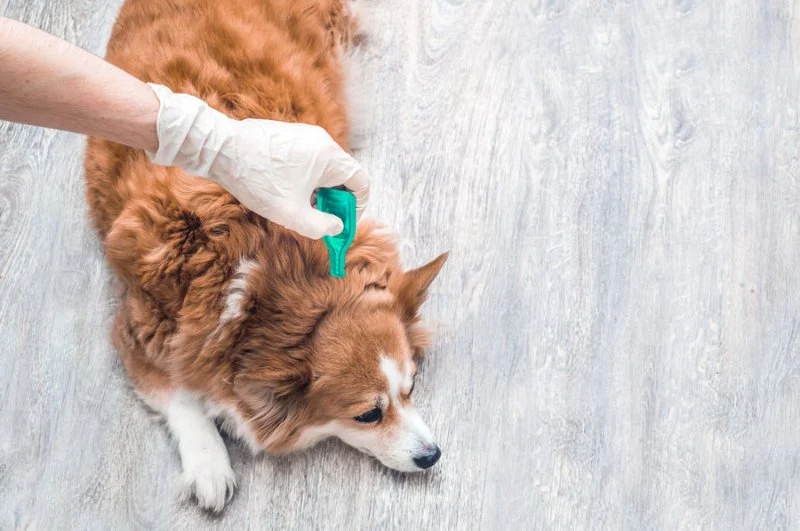
- Flea and Tick Prevention: Use monthly flea and tick preventatives, such as oral medications, topical treatments, or collars, to protect your pet from these external parasites.
- Maintain a Clean Environment: Keep your pet’s living space clean and free of parasites. Regularly wash their bedding, toys, and grooming tools, and keep your yard free of ticks and fleas.
- Proper Hygiene: Regular bathing and grooming can help remove parasites from your pet’s fur and skin. Be sure to brush your pet’s coat to check for any ticks or fleas.
- Heartworm Prevention: Administer monthly heartworm prevention treatments, especially if your pet is at risk of mosquito exposure.
4. Treatment Options for Parasites in Pets
If your pet has been diagnosed with a parasite, there are several treatment options available. The type of treatment will depend on the type of parasite your pet has and the severity of the infestation. Here are some common treatments:
- Flea and Tick Treatments: Fleas and ticks can be treated with topical medications, oral medications, and sprays. In severe cases, your vet may recommend additional treatments, such as flea dips or injections.
- Worming Medications: If your pet has intestinal worms, your vet will prescribe deworming medications that target specific types of worms. These medications are often available as pills, liquids, or injections.
- Heartworm Treatments: If your pet has heartworms, they may need a series of injections to eliminate the worms from their heart and lungs.
It’s important to follow your vet’s instructions carefully when treating parasites to ensure your pet’s recovery and prevent re-infestation.
5. Natural Remedies for Treating Parasites
Some pet owners prefer natural remedies to treat parasites. While these may not be as effective as medications, they can help complement traditional treatments. Here are a few natural remedies:
- Diatomaceous Earth: Food-grade diatomaceous earth can be sprinkled on your pet's bedding or fur to kill fleas and other external parasites.
- Apple Cider Vinegar: Adding a small amount of apple cider vinegar to your pet’s water can help repel fleas and ticks. Be sure to consult your vet before using any home remedy.
- Herbal Supplements: Certain herbs, such as garlic and wormwood, are believed to help treat internal parasites. Always check with your vet before using herbs as some can be toxic to pets.
6. Real-Life Experiences: How Others Managed Parasites in Pets
Many pet owners have faced the challenge of dealing with parasites in their pets. For example, Sarah, a dog owner from Texas, noticed that her dog, Max, had been scratching excessively. After a visit to the vet, Max was diagnosed with a flea infestation. By using a combination of flea preventatives and a flea bath, Max was soon flea-free and comfortable again.
Similarly, Mike, a cat owner in Florida, discovered that his cat, Bella, had roundworms. After administering the prescribed deworming medication, Bella was back to her usual energetic self within a few days. These real-life examples highlight the importance of early detection and proper treatment in managing pet parasites.
7. When to Seek Professional Help for Parasites
If you suspect that your pet has parasites, it’s important to consult with your veterinarian. In some cases, parasites can cause serious health problems, and a vet’s expertise is crucial in diagnosing and treating the issue effectively. If your pet shows symptoms like vomiting, diarrhea, or severe itching, or if over-the-counter treatments don’t seem to work, it’s time to seek professional help.
At Brothers Pets, we offer a variety of products designed to prevent and treat parasites in pets. Visit our website to find the best parasite prevention products for your furry friends and keep them healthy and happy!






 Wilson John a DVM5.0 (2 reviews)
 Tender Care Animal Hospital of Peoria4.0 (479 reviews)
 Richardson Animal Hospital4.0 (466 reviews)
 VIP Petcare Vaccination Clinic0.0 (0 reviews)
 Healthpointe Veterinary Clinic: Johnson Lauren DVM4.0 (26 reviews)
 Wycliff Animal Clinic3.0 (293 reviews)
 How to Prevent and Treat Canine Dental Disease: Tips for Dog Owners in the US
 How to Safely Trim Your Dog’s Nails at Home: A Step-by-Step Guide
 Pet Travel: What Vets Want You to Know Before You Go
 How to Choose the Right Pet Products for Your Pet's Needs
 Preparing Your Pet for a New Baby in the Home: A Complete Family Guide
 Signs Your Senior Cat May Have Kidney Problems