
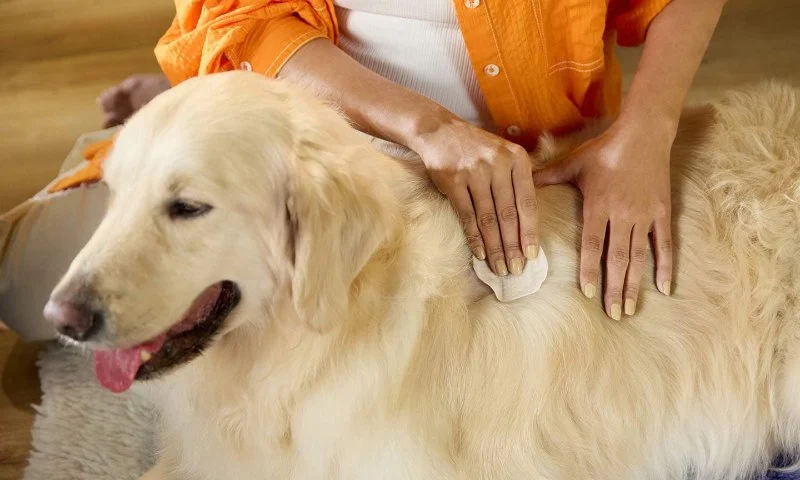
The Best Ways to Treat and Prevent Hot Spots on Dogs and Cats
- 1- Understanding Hot Spots in Pets
- 2- Common Causes of Hot Spots in Dogs and Cats
- 3- Effective Treatments for Hot Spots
- 4- Prevention Tips for Hot Spots
- 5- When to Visit a Veterinarian for Hot Spots
Hot spots, also known as acute moist dermatitis, are a common skin condition in dogs and cats that can cause discomfort and irritation. These painful lesions are often the result of excessive licking, scratching, or biting at the skin, leading to a cycle of inflammation and infection. Understanding how to treat and prevent hot spots is essential for ensuring the well-being of your furry companions. This guide will explore the best ways to manage hot spots and provide practical tips for prevention.
1- Understanding Hot Spots in Pets
Hot spots are localized, inflamed areas of the skin that are often moist and red. These lesions can appear suddenly and tend to grow quickly. Although they are commonly seen in dogs, cats can also suffer from hot spots, especially if they have long fur or suffer from allergies or skin infections. Hot spots can be very painful and may cause your pet to excessively lick or scratch the affected area, further aggravating the condition.
It’s important to recognize the signs of hot spots early to prevent them from worsening. Symptoms may include redness, swelling, hair loss, and a moist or weeping area on the skin. If left untreated, hot spots can lead to more severe infections and prolonged discomfort.
2- Common Causes of Hot Spots in Dogs and Cats
Hot spots can develop for several reasons, often triggered by environmental, physical, or behavioral factors. Some of the most common causes include:
- Allergies: Pets with allergies, whether environmental or food-related, are more prone to developing hot spots due to itching and irritation.
- Fleas: Flea infestations are one of the leading causes of hot spots, as fleas cause pets to scratch and bite excessively.
- Infections: Bacterial or fungal infections can lead to skin irritation and open wounds that may turn into hot spots.
- Moisture: Pets that are frequently wet, such as those who swim or live in humid climates, are more likely to develop hot spots due to trapped moisture on their skin.
- Poor grooming: Lack of grooming or matted fur can lead to areas of skin irritation, increasing the risk of hot spots.
Identifying the underlying cause of your pet’s hot spots is essential for effective treatment and long-term prevention.
3- Effective Treatments for Hot Spots
If your pet develops a hot spot, prompt treatment is necessary to relieve discomfort and prevent the condition from spreading. Here are some of the most effective treatments for hot spots:
- Clean the Area: Gently clean the hot spot with a mild antiseptic solution to remove dirt, bacteria, and excess moisture. This helps prevent further infection.
- Topical Medications: Use ointments or sprays specifically designed for hot spots. These products contain ingredients like hydrocortisone or antibiotics to reduce inflammation and fight infection.
- Elizabethan Collar: An Elizabethan collar (also known as an "e-collar") can prevent your pet from licking or biting the affected area, allowing it to heal.
- Oral Medications: In severe cases, your veterinarian may prescribe oral antibiotics or anti-inflammatory medications to help your pet recover.
It’s important to avoid using human-grade products on pets, as these can be harmful to animals. Always consult with your veterinarian before beginning treatment.
4- Prevention Tips for Hot Spots
Preventing hot spots is easier than treating them. By addressing the underlying causes and following these prevention tips, you can help reduce the likelihood of hot spots recurring:
- Regular Grooming: Regular brushing and bathing help maintain healthy skin and fur, reducing the risk of mats, dirt buildup, and trapped moisture.
- Flea Prevention: Keep your pet on a year-round flea prevention regimen to prevent flea infestations, which are a major cause of hot spots.
- Drying After Bathing: Always dry your pet thoroughly after baths or swimming, especially if they have long fur, to prevent moisture from collecting on their skin.
- Healthy Diet: A well-balanced diet can improve your pet’s overall health and skin condition, reducing the risk of allergies and infections that lead to hot spots.
By following these tips, you can keep your pet’s skin healthy and minimize the chances of hot spots developing in the future.
5- When to Visit a Veterinarian for Hot Spots
While minor hot spots can often be treated at home, it’s important to seek professional help if the condition worsens or doesn’t improve within a few days. Visit your veterinarian if:
- The hot spot becomes larger, more inflamed, or starts spreading.
- Your pet shows signs of severe pain, such as excessive licking, whining, or limping.
- The hot spot starts to produce pus or a foul odor, indicating a possible infection.
- Hot spots reoccur frequently, suggesting an underlying issue like allergies or flea infestations.
Your veterinarian can help identify the root cause of the hot spots and recommend the best treatment plan. They may also perform tests to rule out underlying health conditions.
In conclusion, understanding how to treat and prevent hot spots is crucial for keeping your pet comfortable and healthy. By being proactive in grooming, flea prevention, and monitoring their skin condition, you can reduce the likelihood of hot spots. For expert advice, tips, and pet care products, visit Brothers Pets today!



 Lowry Joseph T DVM4.0 (5 reviews)
 Vetco Vaccination Clinic5.0 (2 reviews)
 Green Camp Veterinary Clinic4.0 (433 reviews)
 Modern Animal4.0 (183 reviews)
 Eye Care for Animals4.0 (281 reviews)
 Banfield Pet Hospital3.0 (94 reviews)
 How to Choose the Right Pet Insurance Plan
 Tips for Maintaining Proper Hydration in Dogs: Essential Care for Your Pet
 How Often Should You Brush Your Dog’s Teeth? Essential Tips for Pet Dental Care
 How to Clean Your Cat’s Ears Safely at Home: A Step-by-Step Guide
 Expert Advice on Pet Travel: Tips for a Safe & Smooth Journey
 The Dos and Don'ts of Pet Grooming