

- 1. Importance of Omega in Pet Diets
- 2. Benefits of Omega Fatty Acids for Pets
- 3. Types of Omega Fatty Acids
- 4. How to Add Omega Fatty Acids to Your Pet's Diet
- 5. Choosing Omega-Rich Food for Pets
1. Importance of Omega in Pet Diets
Omega fatty acids play a vital role in the overall health and well-being of your pets. These essential nutrients are crucial for maintaining healthy skin, a shiny coat, cognitive function, and heart health. Omega-3 and omega-6 fatty acids are particularly important, as they support inflammation control, joint health, and the immune system.
Without sufficient omega in their diet, pets may experience various health issues, including dry skin, excessive shedding, poor cognitive function, and even cardiovascular problems. Understanding the importance of omega fatty acids will help ensure that your pet lives a longer, healthier life.
2. Benefits of Omega Fatty Acids for Pets
Incorporating omega fatty acids into your pet's diet offers a wide range of health benefits. Here are some key advantages:
- Improved Skin and Coat: Omega-3 and omega-6 fatty acids help improve skin hydration, reduce inflammation, and promote a shiny, healthy coat. Pets suffering from dry or flaky skin often benefit from omega supplementation.
- Joint Health: Omega fatty acids have anti-inflammatory properties, which help in reducing joint stiffness and arthritis pain in pets, especially older dogs and cats.
- Cognitive Function: Omega-3 fatty acids, particularly DHA, are essential for brain health. They help improve cognitive function, reduce the risk of dementia in older pets, and may enhance memory and learning capabilities in younger pets.
- Heart Health: Omega fatty acids help reduce the risk of cardiovascular diseases by supporting normal blood pressure, cholesterol levels, and overall heart function.
3. Types of Omega Fatty Acids
There are several types of omega fatty acids, each with unique benefits for pets:
- Omega-3 Fatty Acids: These are the most beneficial for pets and are typically found in fish oils and flaxseed oil. Omega-3s include EPA (eicosapentaenoic acid) and DHA (docosahexaenoic acid), which are essential for brain function, skin health, and inflammation control.
- Omega-6 Fatty Acids: Omega-6 fatty acids are often found in vegetable oils such as sunflower and safflower oil. While omega-6s are important for maintaining healthy skin and coat, they should be balanced with omega-3s in your pet’s diet to prevent excessive inflammation.
4. How to Add Omega Fatty Acids to Your Pet's Diet
There are several ways to add omega fatty acids to your pet's diet:
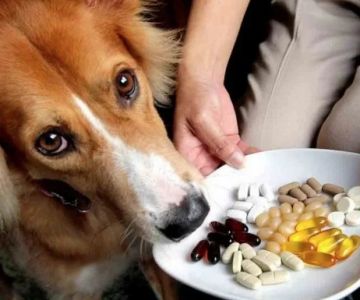
- Fish Oil Supplements: One of the best sources of omega-3 fatty acids is fish oil. You can find supplements specifically designed for pets. These are available in liquid form or soft gels, making them easy to add to your pet's food.
- Flaxseed Oil: Flaxseed oil is a great plant-based source of omega-3 fatty acids. It can be added to your pet's food or used in homemade meals.
- Omega-Rich Pet Food: Many high-quality commercial pet foods are enriched with omega-3 and omega-6 fatty acids. Look for brands that list fish oil or flaxseed as a primary ingredient.
- Whole Fish: If you prefer to feed your pet whole food, you can include fatty fish such as salmon, sardines, or mackerel in their diet. These fish are rich in omega-3s and provide additional nutritional benefits.
5. Choosing Omega-Rich Food for Pets
When selecting omega-rich food for your pet, consider the following tips:
- Read the Ingredient List: Ensure that the food includes high-quality sources of omega-3 fatty acids such as fish oil or flaxseed oil. Avoid foods that contain low-quality fats or fillers.
- Look for DHA and EPA: Check that the food contains EPA and DHA, the two most beneficial omega-3 fatty acids. These are vital for your pet's brain and heart health.
- Consider Your Pet’s Needs: If your pet has a specific health condition, such as arthritis or skin issues, look for foods that provide higher amounts of omega-3s or consult your veterinarian for tailored advice.
By selecting the right food and supplements for your pet, you can ensure they get the omega fatty acids they need for optimal health.
If you're looking for the best omega-rich products for your pet, visit Brothers Pets for recommendations on high-quality pet foods and supplements.





 PAWsitively Sweet Bakery0.0 (0 reviews)
 Top Dog Pet Store Riverside4.0 (26 reviews)
 Sheehan Veterinary Centre4.0 (208 reviews)
 All The Best Pet Care - Issaquah4.0 (226 reviews)
 Dry Creek Animal Hospital4.0 (33 reviews)
 Veterinary Clinic (Gateway Pet Guardians)0.0 (0 reviews)
 How to Prepare Your Dog for a Vet Visit Stress-Free
 How to Spot and Treat Hip Dysplasia in Dogs: A Complete Guide
 How to Spot Early Signs of Cancer in Pets and What to Do Next
 The Ultimate Guide to Veterinary Advice
 Traveling with Pets: Tips for a Safe and Comfortable Journey
 How to Manage Your Pet’s Anxiety During Vet Visits