
- -The Importance of Regular Vet Checkups for Your Pet
- -How Vet Checkups Help Detect Health Issues Early
- -Preventative Care: What Happens During a Routine Vet Visit
- -Case Study: How Regular Vet Checkups Saved a Pet's Life
- -Tips for Ensuring Your Pet Gets the Care They Need
The Importance of Regular Vet Checkups for Your Pet
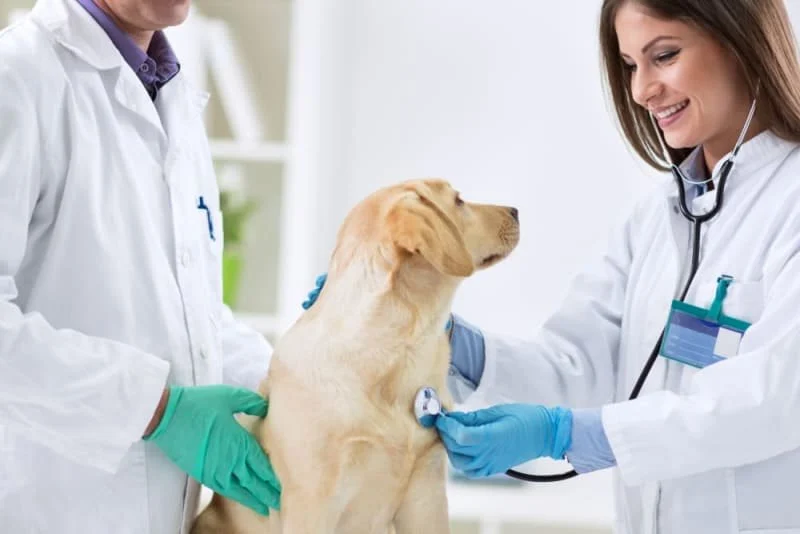
As a pet owner, ensuring the health and well-being of your furry friend is a top priority. Regular vet checkups are a crucial aspect of maintaining your pet’s overall health. Just like humans, pets can develop health issues that may not be immediately obvious. Regular veterinary visits provide a proactive way to monitor your pet's health and prevent diseases before they become serious problems.
How Vet Checkups Help Detect Health Issues Early
Many pet diseases do not show symptoms in their early stages, making them difficult for owners to detect. Regular vet checkups are essential for catching these issues early, when they are more treatable and less likely to cause long-term damage. During a routine checkup, your vet will examine your pet's physical health, listen to their heart and lungs, check for signs of infections, and monitor their weight and nutrition.
Spotting the Signs Before They Become Problems
For example, a pet's dental health can often go unnoticed by owners until severe damage is done. A veterinarian may identify gum disease or tooth decay early, allowing for simple treatments that prevent more complicated issues down the line. Similarly, many pets suffer from internal parasites that can remain hidden for a long time. A vet checkup provides an opportunity for fecal testing and early parasite treatment, reducing the risk of serious infections.
Preventative Care: What Happens During a Routine Vet Visit
A typical vet checkup involves a comprehensive evaluation of your pet’s health. Here’s what usually happens during a routine veterinary visit:
1. Physical Examination
During the physical exam, your veterinarian will check your pet's eyes, ears, mouth, skin, and coat. They will also examine their limbs, muscles, and joints, looking for signs of discomfort or abnormalities. This thorough exam helps the vet detect early signs of issues like arthritis, dental disease, or even skin conditions.
2. Vaccinations and Parasite Control
Regular vaccinations are an important part of preventing serious diseases such as rabies, parvovirus, and distemper. A vet will ensure that your pet is up to date on their vaccinations and may recommend parasite prevention treatments for fleas, ticks, and worms. Keeping your pet protected from parasites is essential for preventing diseases like Lyme disease and heartworm.
3. Weight and Nutrition Monitoring
Obesity is a common health issue among pets, which can lead to a variety of conditions such as diabetes, joint problems, and heart disease. During a checkup, your vet will assess your pet’s weight and nutritional needs, providing recommendations for healthy feeding habits and exercise routines to maintain a healthy weight.
Case Study: How Regular Vet Checkups Saved a Pet's Life
Consider the story of Bella, a 7-year-old Golden Retriever. Bella’s owner noticed her slowing down, but assumed it was just a part of aging. During a routine vet checkup, the vet discovered that Bella had early signs of kidney disease, which could have been easily missed without the checkup. By catching the condition early, Bella’s vet was able to prescribe medications and suggest dietary changes that significantly improved her quality of life. Without regular vet visits, Bella’s kidney disease could have progressed unnoticed, leading to much more severe health issues.
Tips for Ensuring Your Pet Gets the Care They Need
It’s not always easy to remember to schedule vet checkups, but regular visits are essential to keeping your pet healthy. Here are a few tips to help you stay on top of your pet’s health care:
1. Set Up Reminders
Set up a reminder on your phone or calendar to schedule regular checkups every 6-12 months, depending on your pet's age and health needs. Senior pets or pets with existing health conditions may require more frequent visits.
2. Maintain a Health Log
Keep track of your pet’s health, including any changes in behavior, eating habits, or physical appearance. Sharing this information with your vet during checkups can help them make better-informed decisions about your pet's care.
3. Build a Relationship with Your Vet
Developing a strong relationship with your veterinarian is key to ensuring your pet gets the best care possible. Regular visits provide an opportunity for you to ask questions, address concerns, and stay informed about new treatments and preventative measures that can benefit your pet’s health.
If you're looking for expert advice or need recommendations for products to keep your pet healthy, visit Brothers Pets for the best solutions and services for your furry friend.




 Modern Animal4.0 (110 reviews)
 Brykerwood Veterinary Clinic4.0 (253 reviews)
 Woodbury Animal Hospital4.0 (180 reviews)
 Moon Veterinary Hospital4.0 (394 reviews)
 East Holmes Veterinary Clinic4.0 (37 reviews)
 Mike's Mobile Veterinary Service4.0 (164 reviews)
 How to Reduce Anxiety in Dogs During Car Rides | Proven Tips
 Best Practices for Crate Training Your Puppy
 How to Improve Your Pet’s Dental Health: Expert Tips and Daily Care
 How to Identify and Treat Allergic Dermatitis in Cats – Guide for Pet Owners
 The Ultimate Guide to Pet Training: Tips, Tools & Expert Advice
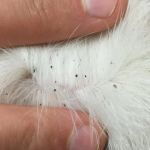 How to Identify and Treat Flea Bites on Cats – Effective Care Tips