
- 1. Understanding Puppy Potty Training
- 2. Establishing a Consistent Schedule
- 3. Positive Reinforcement Techniques
- 4. Common Mistakes to Avoid
- 5. Real-Life Cases and Pet Owner Stories
- 6. Expert Recommendations for Success
1. Understanding Puppy Potty Training
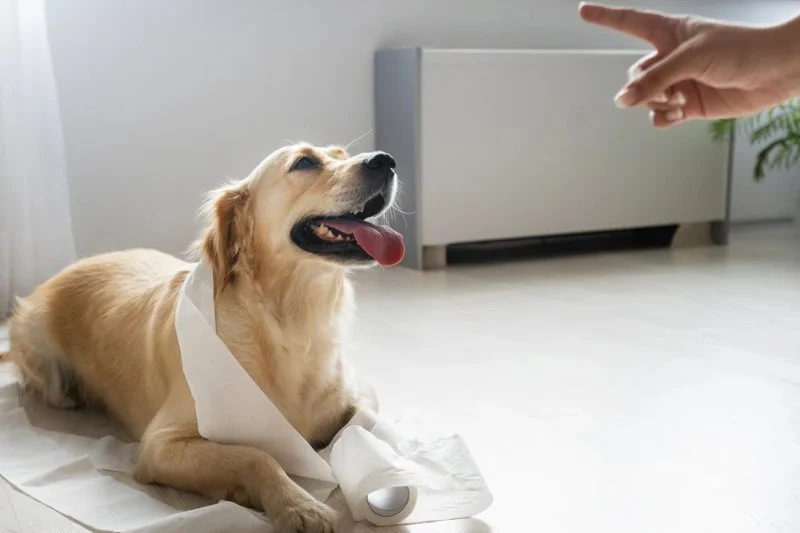
Potty training a puppy is one of the first and most important steps in raising a well-behaved dog. Puppies, like babies, need structure and consistency to learn where and when to relieve themselves. The process may feel overwhelming at first, but with patience and the right approach, most puppies can be house-trained within a few weeks to a few months. The key lies in consistency, timing, and understanding your puppy’s unique needs.
2. Establishing a Consistent Schedule
Puppies thrive on routine. Establishing a consistent schedule helps them understand when and where they should go potty. Typically, puppies need to go out:
- First thing in the morning
- After meals and naps
- Before bedtime
- Every 2–3 hours throughout the day
Consistency teaches your puppy to associate bathroom breaks with certain times of the day. A structured schedule also prevents accidents and creates predictability for both the puppy and the owner.
3. Positive Reinforcement Techniques
One of the most effective potty training practices is using positive reinforcement. Puppies respond best to encouragement, so every time your puppy successfully goes potty outside, immediately reward them with praise, affection, or a small treat. This builds a positive association with the desired behavior.
Using a specific command like “Go potty” can also help your puppy learn faster. Over time, they’ll begin to associate the phrase with the act of relieving themselves, making training smoother and more effective.
4. Common Mistakes to Avoid
Potty training doesn’t come without challenges, and some common mistakes can slow progress:
- Punishing Accidents: Yelling or punishing a puppy for accidents indoors often leads to fear rather than learning. Instead, clean up calmly and redirect them outside.
- Inconsistent Training: Missing scheduled potty breaks or changing the rules confuses puppies and delays progress.
- Neglecting Supervision: Puppies need close monitoring, especially during the early weeks. Allowing too much freedom indoors can result in unnoticed accidents.
5. Real-Life Cases and Pet Owner Stories
Take the example of Lisa from Ohio, who adopted a Labrador puppy named Max. Initially, Max had frequent accidents indoors because his feeding times and potty breaks were inconsistent. Once Lisa started a strict routine—feeding at the same time daily and taking Max outside immediately afterward—accidents reduced dramatically within two weeks.
On the other hand, Jake, a first-time pet owner in California, struggled with his beagle puppy, Luna. He admitted to scolding her for accidents, which made her anxious and more likely to hide when she needed to go. After switching to positive reinforcement and offering treats for outdoor potty breaks, Luna quickly caught on and became fully house-trained within two months.
6. Expert Recommendations for Success
Veterinarians and trainers agree that patience is the cornerstone of successful potty training. Puppies learn at different speeds, and setbacks are normal. Experts recommend:
- Using crates strategically to encourage bladder control
- Cleaning accidents with enzymatic cleaners to remove scent cues
- Gradually extending the time between potty breaks as your puppy matures
For pet owners seeking trusted products and guidance, Brothers Pets offers resources, training aids, and pet essentials that make the potty training journey smoother. With the right tools and a consistent approach, you and your puppy can succeed together.






 Willowbrook Veterinary Hospital4.0 (166 reviews)
 Carr Island Animal Hospital4.0 (70 reviews)
 Midway Veterinary Clinic: Jarrod Goff DVM4.0 (15 reviews)
 Main Line Veterinary Hospital4.0 (88 reviews)
 Bayparkway Aquarium4.0 (188 reviews)
 Douds Veterinary Hospital4.0 (549 reviews)
 Understanding Pet Nutrition: What to Feed Your Pet
 htmlCopy codeHow to Safely Groom Your Pet at Home
 How to Recognize and Treat Ear Infections in Pets
 Understanding Canine Hip Dysplasia and Prevention Methods
 What Every Pet Owner Should Know About Pet Behavior
 How to Spot Symptoms of Food Allergies in Cats: A Guide for Pet Owners