
Tips for Preventing Hairballs in Long-Haired Cats
- 1-Tips for Preventing Hairballs in Long-Haired Cats
- 2-Understanding Hairballs in Cats
- 3-Why Long-Haired Cats Are More Prone to Hairballs
- 4-Tips for Preventing Hairballs
- 5-How to Treat Hairballs in Cats
- 6-When to Consult a Vet
1. Tips for Preventing Hairballs in Long-Haired Cats
If you're the proud owner of a long-haired cat, you may have noticed your feline friend occasionally coughing or hacking up hairballs. While hairballs are a common issue for many cats, they can be particularly troublesome for long-haired breeds. Fortunately, with the right preventive measures, you can significantly reduce the occurrence of hairballs. In this article, we'll explore helpful tips to prevent hairballs in long-haired cats and keep your furry companion comfortable and healthy.
2. Understanding Hairballs in Cats
Hairballs, or "trichobezoars," are clumps of fur that form in a cat's stomach as a result of excessive grooming. Cats, especially those with long or thick coats, regularly ingest fur while cleaning themselves. Typically, the ingested hair passes through the digestive system, but sometimes it accumulates in the stomach and forms a ball. This ball of hair can eventually be vomited or coughed up by the cat.
While the occasional hairball is normal, excessive vomiting or coughing up hairballs can be a sign of underlying health issues. Understanding the causes and preventive steps can help minimize these occurrences and ensure your cat remains healthy.
3. Why Long-Haired Cats Are More Prone to Hairballs
Long-haired cats, such as Persians, Maine Coons, and Ragdolls, are particularly prone to hairballs due to their thicker coats. Their fur is more prone to tangling and matting, leading to a higher likelihood of ingesting hair while grooming. Unlike short-haired cats, long-haired breeds have more hair to clean, which increases the amount of fur they swallow.
Additionally, long-haired cats may have more difficulty grooming themselves effectively, leading to more hair being swallowed and accumulating in their digestive system. Regular grooming and proper care are essential for managing this issue.
4. Tips for Preventing Hairballs
There are several effective strategies you can implement to help prevent hairballs in your long-haired cat:
1. Regular Grooming
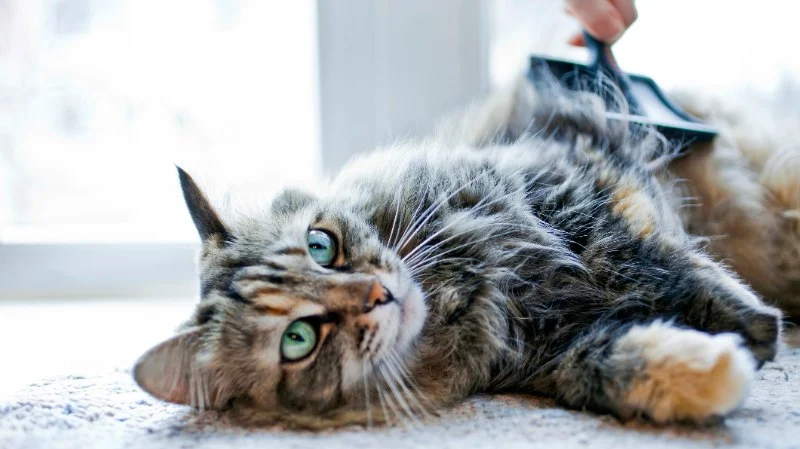
The most important step in preventing hairballs is regular grooming. Brushing your cat's coat helps remove loose hair and prevents it from being ingested. For long-haired cats, daily brushing is ideal, as it keeps their fur smooth and reduces the amount of hair they swallow during grooming. Consider using a slicker brush or comb designed for long-haired cats to effectively remove tangles and mats.
2. Proper Diet and Fiber
A diet rich in fiber can help prevent hairballs by aiding in the passage of hair through your cat’s digestive system. Fiber helps move the hair that is ingested through the intestines more efficiently. Look for cat food that contains high levels of fiber or consider adding fiber supplements to your cat’s diet. Some specialized hairball control cat foods are formulated to reduce hairball formation.
3. Hydration
Proper hydration is essential for healthy digestion and fur maintenance. Cats that are well-hydrated will have healthier skin and coats, which reduces shedding. Make sure your cat has access to fresh water at all times and encourage hydration by offering wet food, which contains more moisture than dry food.
4. Hairball Control Products
There are several over-the-counter hairball control products available for cats. These can include gels, treats, and supplements that help lubricate the digestive tract and assist in the passage of hairballs. These products are generally safe for regular use but should be used according to your vet’s recommendations.
5. Keep Your Cat Active
Encouraging your cat to be active and engage in play can help reduce the likelihood of excessive grooming, which contributes to hairball formation. Provide your cat with interactive toys that promote physical activity and mental stimulation, keeping them engaged and reducing boredom-induced grooming.
5. How to Treat Hairballs in Cats
If your cat already has hairballs, there are several treatment options to help them pass the hairball safely:
1. Hairball Gels and Lubricants
Hairball gels and lubricants are commonly used to help your cat pass hairballs more easily. These products work by lubricating the digestive system, making it easier for the hairball to pass through the intestines. Administer these gels as directed by your veterinarian to ensure your cat’s comfort and safety.
2. Increased Grooming
Increasing the frequency of grooming during hairball season can help prevent hairballs from forming in the first place. Additionally, regular grooming helps loosen any mats or tangles that may contribute to hairball formation.
3. Veterinary Care
If your cat experiences frequent hairballs, consult your veterinarian. In some cases, hairballs can lead to more serious health issues, such as blockages or digestive problems. Your vet can provide advice on the best products for managing hairballs or recommend treatments if your cat is having difficulty passing them.
6. When to Consult a Vet
While occasional hairballs are normal for long-haired cats, frequent or severe hairball issues can indicate a health problem. If your cat is experiencing the following, it’s time to consult your veterinarian:
1. Excessive Vomiting
If your cat is vomiting hairballs frequently (more than once a week), it may indicate a digestive issue or underlying health condition. Your vet can help determine the cause and recommend appropriate treatments.
2. Loss of Appetite
If your cat refuses to eat or shows signs of a decrease in appetite, it could be a sign of discomfort or a more serious condition. A visit to the vet is necessary to rule out any medical concerns.
3. Constipation or Diarrhea
If your cat shows signs of constipation or diarrhea related to hairball formation, it’s important to seek professional help. These digestive issues may require treatment to ensure your cat’s health and comfort.
In conclusion, preventing hairballs in long-haired cats requires a combination of regular grooming, proper nutrition, and the right care. By following the tips outlined above, you can help your cat stay comfortable and minimize the occurrence of hairballs. For more information on grooming supplies, supplements, and products for hairball prevention, visit Brothers Pets to find the best products for your feline friend.





 Willmar Pet Hospital4.0 (85 reviews)
 Williams-Sebby Veterinary Clinic & Pet Resort4.0 (517 reviews)
 Secondhand Pet Supply4.0 (27 reviews)
 Pet Shop3.0 (30 reviews)
 Fedore Large Animal Veterinary Services4.0 (28 reviews)
 VCA Lovers Lane Animal Hospital4.0 (87 reviews)
 The Dos and Don’ts of Pet Grooming Every Owner Should Know
 How Often Should You Brush Your Dog’s Teeth? Essential Tips for Pet Dental Care
 How to Safely Clean Your Pet’s Toys and Accessories: Tips and Best Practices
 Common Skin Conditions in Dogs and Their Treatments – Practical Guide for Pet Owners
 What to Do If Your Pet Has a Cut or Wound: First Aid Tips
 Effective Tick Prevention Strategies for Dogs in the US