

- preparing-your-pet-for-travel
- choosing-the-right-mode-of-transportation
- safety-and-comfort-during-the-journey
- destination-matters-what-to-consider
- real-travel-story-and-practical-lessons
- gear-up-smartly-for-pet-travel
1. Preparing Your Pet for Travel
1.1 Know Your Pet’s Temperament
Before you book that road trip or flight, it’s essential to understand how your pet handles stress, unfamiliar environments, and motion. Some dogs love car rides, others tremble at the sound of an engine. Cats, in general, are less fond of change and may require more prep. If your pet gets nervous easily, start with short trips to acclimate them gradually.
1.2 Health Check and Documentation
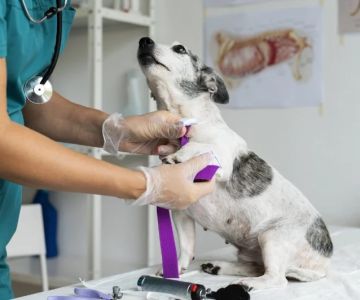
Visit your vet for a check-up. Many travel destinations require health certificates, up-to-date vaccinations, or parasite treatments. Especially for air travel, carriers often demand official proof of health. Discuss with your vet whether anti-anxiety medications or natural calming aids might help.
1.3 Training and Familiarization
Get your pet used to the travel crate or carrier well in advance. Let them explore it with the door open, adding treats or toys inside. Gradually close the door for short periods. Familiarity lowers travel-day stress significantly.
2. Choosing the Right Mode of Transportation
2.1 Car Travel: The Most Flexible Option
Road trips are often the easiest for pet travel, as you have control over stops, climate, and pace. Always use a secure pet seatbelt harness or carrier. Never let your pet ride with their head out the window or unrestrained in the front seat.
2.2 Air Travel: Not Always Pet-Friendly
While some airlines are accommodating, air travel can be overwhelming or risky, especially for short-nosed breeds like Bulldogs or Persians. Cabin travel is safer, but restrictions vary by airline. Research airline pet policies in detail, including crate dimensions and booking requirements.
2.3 Train and Public Transport Tips
In some regions, trains and buses welcome pets, especially small ones. However, rules can be inconsistent. Call ahead or check online to avoid surprises. Carry your pet in an appropriate carrier, and ensure they remain calm throughout the trip.
3. Safety and Comfort During the Journey
3.1 Hydration and Feeding
Keep your pet hydrated, especially in warm weather. Freeze a bowl of water overnight to slowly melt during long rides. Avoid heavy feeding right before the journey to prevent motion sickness—small meals are better.
3.2 Breaks and Potty Stops
On road trips, plan to stop every 2–3 hours for bathroom breaks and leg stretches. Bring waste bags, litter, or pads depending on your pet. Never leave your pet alone in a vehicle, even with cracked windows.
3.3 Calm Environment Essentials
Play soft music, avoid sudden braking, and keep the temperature comfortable. Covering the crate partially with a breathable cloth can help anxious pets feel more secure. Familiar smells—like a favorite blanket—can also work wonders.
4. Destination Matters: What to Consider
4.1 Pet-Friendly Accommodations
Not all hotels or rentals welcome pets. Research in advance and confirm policies. Many “pet-friendly” places charge extra fees or only accept small pets. Websites that specialize in pet-friendly travel can save time and stress.
4.2 Climate and Environmental Factors
Your pet may struggle with sudden climate changes—hot desert air, high humidity, or snowy conditions. Plan accordingly: a cooling vest for summer or paw wax for icy sidewalks. Always think ahead about how your pet will cope with new weather.
4.3 Local Laws and Restrictions
From leash laws to breed bans, some places are surprisingly restrictive. Certain beaches or parks prohibit pets altogether. If you're traveling internationally, quarantine laws and vaccination requirements can be strict. Always check official guidelines before you go.
5. Real Travel Story and Practical Lessons
When Jenna planned her cross-country move with her Labrador, Max, she thought he’d love the adventure. But on day one, Max was panting excessively and refused to eat. She realized the unfamiliarity of motels and the long car hours were taking a toll.
After some adjustments—stopping every two hours, switching to pet-friendly lodging with grassy areas, and playing soft classical music—Max slowly relaxed. By day four, he even wagged his tail when seeing the car. Her biggest takeaway? Never assume your pet travels like you do. Adapt the journey to their pace, not yours.
6. Gear Up Smartly for Pet Travel
6.1 Travel Must-Haves
From seatbelt harnesses and collapsible bowls to anxiety wraps and motion sickness remedies, packing the right gear makes all the difference. Choose quality products designed for safety and comfort.
At Brothers Pets, we stock a curated selection of travel essentials for pets. Whether you need airline-approved carriers, car seat protectors, or calming treats, we’ve got you covered. Our team can help you find exactly what your pet needs to travel happily and safely.
6.2 Personalized Support
Not sure what your pet needs for a particular destination or mode of transport? Visit Brothers Pets to get customized product and care recommendations based on your pet’s personality, health status, and travel plans.




 Chabot Veterinary Clinic4.0 (196 reviews)
 Banfield Pet Hospital4.0 (154 reviews)
 El Palomar Pet Shop Inc4.0 (345 reviews)
 Salem Oregon Animal Rehabilitation - SOAR5.0 (71 reviews)
 Canine Rehabilitation Of Orange County4.0 (46 reviews)
 West Central Veterinary Services - Veedersburg4.0 (189 reviews)
 Tips for Detecting Early Signs of Cancer in Cats
 The Importance of Regular Parasite Prevention for Pets: Protect Your Furry Friend
 The Importance of Regular Grooming for Your Pet's Well-being
 How to Help Pets Cope with Separation Anxiety: Effective Tips and Solutions
 The Benefits of Regular Exercise for Your Pet’s Physical and Mental Health
 How to Identify and Treat Allergic Dermatitis in Cats – Guide for Pet Owners