
- 1-Understanding Separation Anxiety in Pets
- 2-Common Causes of Separation Anxiety
- 3-Symptoms of Separation Anxiety in Pets
- 4-Effective Strategies for Managing Separation Anxiety
- 5-Best Products to Help Calm Pets with Separation Anxiety
- 6-When to Seek Professional Help
1. Understanding Separation Anxiety in Pets
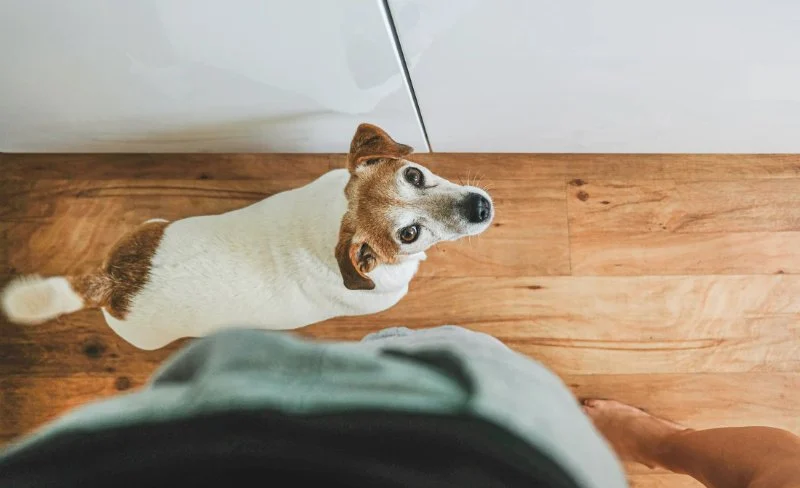
Separation anxiety in pets, particularly in dogs, is a common issue that arises when pets become anxious or stressed when left alone or separated from their owners. This anxiety can manifest in various ways, such as barking, destructive behavior, or attempts to escape. It can significantly impact the well-being of your pet, making it crucial to understand how to address it effectively. In this article, we will explore the causes, symptoms, and solutions for helping pets cope with separation anxiety.
2. Common Causes of Separation Anxiety
Separation anxiety can be triggered by a variety of factors, some of which are related to changes in your pet's environment or routine. Understanding these causes can help in addressing the issue more effectively. Some common causes of separation anxiety include:
Changes in Routine
Pets, especially dogs, thrive on routine. A sudden change in your work schedule, moving to a new home, or the arrival of a new family member can disrupt their sense of security and lead to anxiety when left alone.
Traumatic Experiences
If a pet has experienced trauma, such as being abandoned, surrendered to a shelter, or being separated from a previous owner, it may develop separation anxiety as a result of the emotional distress caused by these events.
Age and Health Factors
Older pets or those with certain health conditions may also be more prone to separation anxiety due to physical discomfort or cognitive decline, making them more sensitive to being left alone.
3. Symptoms of Separation Anxiety in Pets
Recognizing the symptoms of separation anxiety is crucial in addressing the issue early on. Some common signs that your pet may be suffering from separation anxiety include:
Excessive Barking or Howling
Dogs with separation anxiety may bark or howl excessively when left alone. This is often a way for them to express their distress and attempt to call attention to their discomfort.
Destructive Behavior
Pets with separation anxiety may chew on furniture, doors, or other items in an attempt to relieve their anxiety. In severe cases, they may even try to escape from their crate or home.
House Soiling
Increased urination or defecation inside the house, even if your pet is house-trained, is another sign of separation anxiety. The stress of being left alone can cause these accidents to occur.
Excessive Drooling or Panting
Some pets may exhibit physical signs of anxiety, such as excessive drooling, panting, or shaking when left alone or anticipating separation from their owner.
4. Effective Strategies for Managing Separation Anxiety
There are several effective strategies to help pets cope with separation anxiety. These methods can reduce their distress and create a calmer, more manageable environment for both pets and owners.
Gradual Desensitization
One of the most effective ways to address separation anxiety is gradual desensitization. This involves slowly getting your pet used to being left alone for short periods, gradually increasing the duration. By doing so, your pet learns that being alone isn't a cause for alarm.
Positive Reinforcement
Rewarding your pet with treats or affection when they remain calm and relaxed during separations can reinforce positive behavior. Over time, your pet will associate being alone with positive experiences rather than stress.
Safe Space and Comfort Items
Creating a safe, comfortable space for your pet, such as a crate or designated area with their favorite toys and bedding, can help them feel secure when you're away. Additionally, leaving an item with your scent, such as a worn shirt, can offer comfort and reassurance.
Exercise and Mental Stimulation
Ensuring that your pet gets enough exercise and mental stimulation can help reduce anxiety. A well-exercised pet is more likely to rest and relax when left alone. Consider interactive toys or puzzle feeders to keep your pet engaged while you're away.
5. Best Products to Help Calm Pets with Separation Anxiety
There are several products available that can help calm pets and ease the symptoms of separation anxiety. These products can be used alongside behavior modification techniques for optimal results.
Calming Treats
Specially formulated calming treats can help reduce anxiety in pets. These treats often contain natural ingredients like chamomile, valerian root, or CBD, which are known to have a calming effect on pets.
Thundershirts
A Thundershirt is a snug-fitting garment designed to apply gentle pressure to your pet's body, providing a sense of security. Many pets find this pressure calming, similar to how swaddling helps calm babies.
Calming Diffusers and Sprays
Calming pheromone diffusers and sprays, such as Adaptil for dogs or Feliway for cats, release synthetic pheromones that mimic natural calming scents, helping to reduce anxiety and stress during separations.
6. When to Seek Professional Help
If your pet’s separation anxiety is severe or doesn’t improve with at-home interventions, it may be time to consult with a veterinarian or professional animal behaviorist. In some cases, medication or specialized behavioral therapy may be necessary to address the anxiety effectively.
A professional can help assess the severity of your pet's anxiety and create a customized plan that combines training, medication, and other techniques tailored to your pet's specific needs.
For expert advice on managing your pet’s separation anxiety or to find the best products and services to help, visit Brothers Pets for recommendations that suit your pet’s needs.





 AMC of Garner Veterinary Hospital4.0 (509 reviews)
 Veterinary Eye Center of New York City (Hell's Kitchen)4.0 (209 reviews)
 Masterpiece Ragdolls (TICA Cattery)4.0 (72 reviews)
 Jedds Bird Supplies4.0 (155 reviews)
 Rathore Kamlesh DVM5.0 (1 reviews)
 Poodle & Maltese puppies Phoenix1.0 (1 reviews)
 How to Improve Your Puppy & Kitten Care for a Healthy Start
 How to Prevent Obesity in Small Dog Breeds: Tips for a Healthy Weight
 How to Recognize and Treat Joint Pain in Older Pets: A Complete Guide
 What Every Pet Owner Should Know About Pet Health
 Pet Aging: What Vets Want You to Know for Better Senior Pet Care
 Best Pet Carriers for Air Travel Safety and Comfort: Top Picks for Your Furry Friend