
- Understanding Obesity in Small Dog Breeds
- 2. Why Small Dogs Are Prone to Obesity
- 3. Signs of Obesity in Small Dogs
- 4. Steps to Prevent Obesity in Small Dog Breeds
- 5. Diet Tips for Small Dogs
- 6. Exercise and Lifestyle Considerations
- 7. Real-Life Case Study: Preventing Obesity in a Small Dog
- 8. Conclusion: Maintaining a Healthy Weight
1. Understanding Obesity in Small Dog Breeds
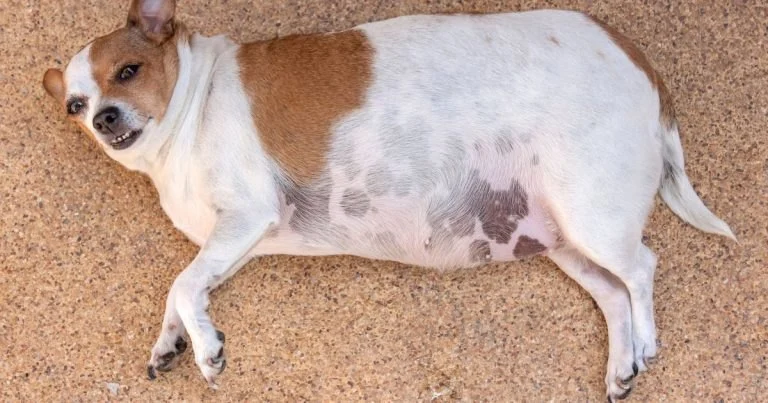
Obesity in dogs is a growing problem, and small dog breeds are particularly at risk. When a dog gains excess weight, it can lead to numerous health issues such as joint problems, heart disease, and diabetes. Small dogs, while adorable and cuddly, have unique health needs, and their size makes them more vulnerable to obesity if their diet and exercise routine are not properly managed. Understanding the causes of obesity and how to prevent it is essential for ensuring your small dog leads a healthy, active life.
2. Why Small Dogs Are Prone to Obesity
Small dog breeds tend to be more prone to obesity due to several factors. These dogs often have slower metabolisms compared to larger breeds, meaning they burn fewer calories throughout the day. Additionally, small dogs are typically less active and may not require as much physical exercise, which can contribute to weight gain. Moreover, some small breeds have a higher tendency to beg for food and are more likely to get scraps from their owners, making portion control crucial.
2.1. Overfeeding and Treats
Overfeeding, especially with high-calorie treats, is a common cause of obesity in small dogs. Since they have smaller stomachs, it's easy to give them more food than they need, especially if they’re cute and beg for extra snacks. This, combined with a lack of physical exercise, can quickly lead to weight gain.
2.2. Lack of Exercise
While small dogs may not need as much exercise as larger dogs, they still require daily physical activity to stay healthy. Without enough exercise, their metabolism can slow down, and they may gain weight more easily. A lack of mental stimulation and exercise can also lead to boredom, causing them to eat out of habit or frustration.
3. Signs of Obesity in Small Dogs
Recognizing the signs of obesity in your small dog is the first step toward preventing or addressing the issue. Some common signs of obesity include:
3.1. Difficulty Feeling Ribs
If you can’t feel your dog’s ribs easily, they may be carrying excess weight. You should be able to feel their ribs under a thin layer of fat when you gently press down on their sides.
3.2. Visible Waistline Disappearing
A healthy dog should have a defined waist when viewed from above. If your dog’s waistline disappears and their body shape is more oval, it could be a sign that they are overweight.
3.3. Reduced Energy Levels
Obesity can lead to lethargy and reduced energy levels. If your dog seems to tire quickly during walks or refuses to play, this could be a sign of weight-related health issues.
4. Steps to Prevent Obesity in Small Dog Breeds
Preventing obesity in small dog breeds requires a combination of proper diet, regular exercise, and good lifestyle habits. Here are several important steps you can take:
4.1. Measure Food Portions
One of the easiest ways to prevent obesity is to measure your dog’s food portions. Follow the feeding guidelines on your dog’s food packaging and adjust portions based on their age, activity level, and overall health. Overfeeding can quickly lead to excess weight, so consistency is key.
4.2. Limit Treats
While treats can be a great way to reward your dog, too many can contribute to weight gain. Choose low-calorie, healthy treats, and ensure that they make up no more than 10% of your dog’s daily calorie intake.
4.3. Regular Vet Check-ups
Regular vet visits are essential for monitoring your dog’s weight and overall health. Your vet can provide guidance on feeding, exercise, and weight management tailored to your dog’s specific breed and needs.
5. Diet Tips for Small Dogs
Choosing the right diet for your small dog is crucial for weight management. Here are some tips for feeding small dogs:
5.1. High-Quality Dog Food
Invest in high-quality, well-balanced dog food. Foods with real protein as the first ingredient and low in fillers like corn or soy are ideal. Look for dog food that includes essential vitamins and minerals to support your dog’s metabolism and overall health.
5.2. High Fiber Content
Choosing a food with higher fiber content can help your dog feel full longer and prevent overeating. Fiber is essential for healthy digestion and can contribute to better weight management.
5.3. Wet vs. Dry Food
Consider incorporating wet food into your dog’s diet. Wet food contains more moisture, which can help with hydration and make your dog feel fuller with fewer calories. Mixing wet food with dry food can also add variety and prevent mealtime boredom.
6. Exercise and Lifestyle Considerations
Physical activity is just as important for small dogs as it is for larger breeds. Regular exercise helps to burn calories, maintain muscle tone, and keep your dog fit and healthy.
6.1. Daily Walks
Daily walks are essential for all dogs, including small breeds. Even a short walk can help your dog burn off excess calories and stimulate their mind. Aim for at least 30 minutes of moderate exercise per day.
6.2. Playtime and Mental Stimulation
Engage your small dog in interactive play. Fetch, tug-of-war, or puzzle toys can provide both mental and physical stimulation, preventing boredom and promoting a healthy weight.
7. Real-Life Case Study: Preventing Obesity in a Small Dog
Meet Bella, a small Dachshund who had always been a little overweight. Her owner, Emily, noticed that Bella was becoming lethargic and developed a rounder belly. After consulting with her vet, Emily started measuring Bella’s food portions, limiting treats, and incorporating daily walks. Within a few months, Bella had shed the extra pounds and was much more energetic. Emily also switched to a high-quality dog food that kept Bella feeling full longer. Today, Bella is a happy, healthy dog, and her owner couldn’t be more pleased with the results.
8. Conclusion: Maintaining a Healthy Weight
Preventing obesity in small dog breeds requires diligence, but the effort is well worth it for your dog’s overall health and happiness. By monitoring food intake, providing regular exercise, and seeking guidance from your vet, you can help your small dog maintain a healthy weight and live a long, active life. For expert advice and products tailored to your dog’s needs, visit Brothers Pets today and discover the best options for your furry friend.



 VCA Northwood Animal Hospital4.0 (283 reviews)
 Mairs' Veterinary Hospital4.0 (315 reviews)
 Seelhorst Veterinary Hospital3.0 (16 reviews)
 Companion Animal Hospital4.0 (232 reviews)
 Prairie Creek Pet Hospital4.0 (449 reviews)
 San Gabriel Animal Hospital4.0 (779 reviews)
 How to Recognize and Treat Skin Allergies in Cats
 Expert Advice on Seasonal Pet Care: Keep Your Pet Healthy Year-Round
 What Every Pet Owner Should Know About Pet Mental Health
 Senior Dog Joint Health: Supplements, Gentle Exercises, and Home Care for Better Mobility
 Beginner's Guide to Pet Health | Essential Tips for New Pet Owners
 Tips for Maintaining Proper Hydration in Dogs: Essential Care for Your Pet