
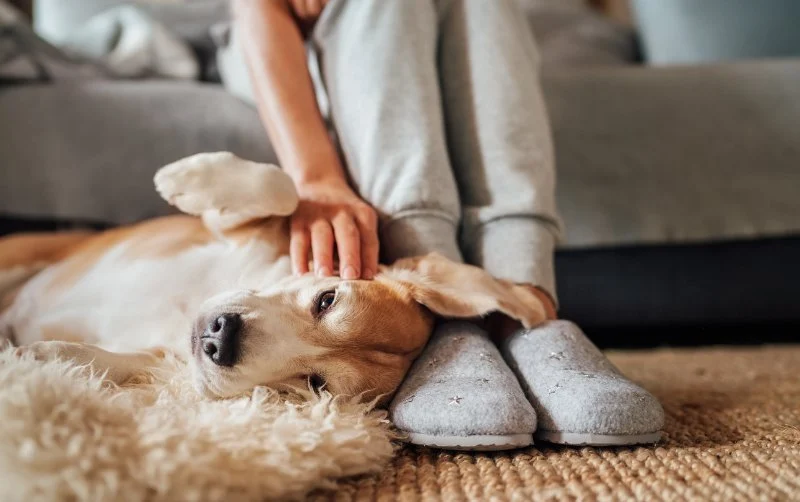
1. Understanding Pet Stress and Anxiety
Just like humans, pets can experience stress and anxiety. Whether it's from changes in their environment, loud noises, or separation from their owners, pets can show signs of stress that affect their health and well-being. Understanding what triggers stress in your pet and how it manifests is the first step in managing their anxiety. Pets, especially dogs and cats, may exhibit stress through behaviors such as excessive barking, hiding, destructive chewing, or even changes in eating habits.
2. Common Causes of Pet Stress and Anxiety
There are many reasons why pets experience stress, and these can vary depending on the individual animal. Some common causes of stress and anxiety in pets include:
- Separation Anxiety: Many pets, especially dogs, can become anxious when left alone. This is often due to attachment issues and a fear of being abandoned.
- Changes in Routine: Pets thrive on routine, so any sudden changes—such as moving to a new home or the addition of a new pet—can cause anxiety.
- Loud Noises: Fireworks, thunderstorms, or even loud household appliances can trigger fear in pets, especially dogs and cats with sensitive hearing.
- Travel or Car Rides: Some pets experience stress or nausea during car rides, especially if they are not accustomed to travel.
Recognizing these triggers is essential to helping your pet cope with stress and anxiety effectively.
3. Signs of Stress and Anxiety in Pets
Pets may not be able to express their feelings in words, but they communicate their stress through their behavior. Some signs to watch for include:
- Excessive Barking or Meowing: Pets may vocalize more than usual when they are stressed or anxious, especially when left alone or when something unfamiliar happens.
- Destructive Behavior: Chewing on furniture, scratching walls, or digging at doors are all signs that a pet is trying to cope with anxiety.
- Changes in Appetite: Pets experiencing anxiety may either eat less than usual or overeat as a way to self-soothe.
- Hiding or Withdrawal: Pets may seek out quiet, secluded places when they feel stressed or scared.
If you notice these behaviors consistently, it may be a sign that your pet is experiencing significant stress or anxiety and needs intervention.
4. How to Manage Your Pet's Stress and Anxiety
Fortunately, there are many effective strategies to help manage your pet's stress and anxiety. Here are a few techniques you can try:
- Establish a Routine: Pets feel more secure when they know what to expect. Try to maintain regular feeding times, walks, and play sessions to reduce stress.
- Provide Safe Spaces: Create a calm, quiet area where your pet can retreat when feeling anxious. This could be a cozy bed, crate, or a room away from noise and distractions.
- Use Calming Products: There are many calming products available, such as pheromone sprays, anxiety wraps, and calming collars. These products can help soothe your pet’s nerves, especially during stressful events like thunderstorms or travel.
- Exercise and Mental Stimulation: Regular exercise and playtime are great for reducing anxiety in pets. A tired pet is often a calmer pet, so try to engage them in physical and mental activities throughout the day.
- Desensitization and Counter-Conditioning: Gradually expose your pet to the situations that cause them anxiety (like car rides or loud noises) in a controlled way, rewarding them with treats and praise when they remain calm.
Each pet is different, so it may take time to figure out what works best for your animal. Be patient and consistent in your efforts to help them manage their stress.
5. Real-Life Example: Managing Stress in a Rescue Dog
Meet Max, a rescue dog who was found wandering the streets and was later adopted by Sarah, a kind-hearted pet owner. Max had significant anxiety due to his traumatic past, often hiding under furniture or barking excessively whenever he was left alone. Sarah noticed that Max was particularly frightened during thunderstorms, often trembling and seeking refuge in dark corners.
After consulting with her vet and trying a few strategies, Sarah started using an anxiety wrap and calming pheromone diffusers in the home. She also established a daily routine for Max, including regular walks and a quiet space where he could feel safe. Over time, Max’s anxiety decreased, and he became more comfortable and relaxed in his new home. This example shows that with the right tools and approach, managing your pet’s anxiety is possible and can lead to a happier, healthier life for both pet and owner.
6. When to Seek Professional Help for Your Pet’s Anxiety
While many pets can benefit from home-based strategies to manage stress, there are cases where professional help is necessary. If your pet’s anxiety is severe or persists despite your efforts, it may be time to consult with a veterinarian or a certified animal behaviorist. They can offer specialized treatments, including behavioral therapy or medication, to help manage your pet’s anxiety more effectively.
7. Explore Pet Care Solutions at Brothers Pets
If you're looking for high-quality products to help manage your pet's stress and anxiety, visit Brothers Pets. We offer a wide range of calming products, including anxiety wraps, pheromone diffusers, and more. Our goal is to help you provide the best care for your pet’s emotional and physical well-being. Explore our store to find the perfect solution for your pet's needs.






 Alta Vista Veterinary Clinic4.0 (184 reviews)
 Cape Horn Veterinary Associates4.0 (193 reviews)
 Hoffmann's Reptile Shop4.0 (261 reviews)
 Vetco Vaccination Clinic4.0 (13 reviews)
 Loving Paws Veterinary Care, LLC4.0 (73 reviews)
 Indian Creek Veterinary Hospital: Reinholt Jill DVM4.0 (5 reviews)
 How to Deal with Pet Allergies in a Multi-Pet Household
 How to Recognize and Treat Common Pet Allergies and Sensitivities
 What Every Pet Owner Should Know About Parasite Prevention
 How to Deal with Pet Aggression Toward Other Animals | Brothers Pets
 How to Encourage Healthy Eating Habits in Puppies – Brothers Pets
 The Importance of Regular Parasite Prevention for Your Pets