
How to Identify and Treat Allergic Dermatitis in Cats
- 1- What is Allergic Dermatitis in Cats?
- 2- Symptoms of Allergic Dermatitis in Cats
- 3- Common Causes of Allergic Dermatitis in Cats
- 4- Treatments for Allergic Dermatitis in Cats
- 5- Preventing Allergic Dermatitis in Cats
1- What is Allergic Dermatitis in Cats?
Allergic dermatitis in cats is an inflammatory skin condition caused by an allergic reaction. It often leads to itching, redness, and discomfort for your pet. The condition can result from various allergens such as food, fleas, pollen, dust mites, or environmental factors. While not always life-threatening, allergic dermatitis can significantly affect your cat’s quality of life.
It’s important to recognize and treat allergic dermatitis promptly to prevent it from worsening and causing more severe skin infections or hair loss. This condition is common in cats, and understanding its causes and symptoms is the first step in managing it effectively.
2- Symptoms of Allergic Dermatitis in Cats
The symptoms of allergic dermatitis in cats can vary depending on the severity of the allergy. However, common signs include:
- Itching and Scratching: Cats with allergic dermatitis often scratch excessively, particularly around the head, neck, and paws.
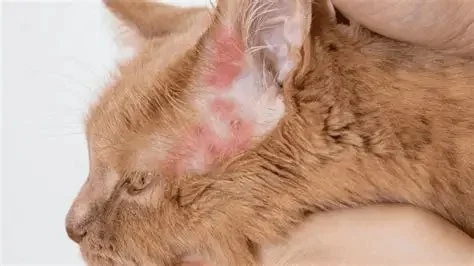
- Red or Inflamed Skin: Allergies can cause the skin to become red, swollen, or scaly.
- Hair Loss: Constant scratching and licking can lead to bald spots, especially around the ears or neck.
- Scabs and Sores: Cats may develop crusty scabs or open sores due to scratching and biting at the affected areas.
- Ear Infections: Allergies can also cause secondary ear infections, leading to ear discharge or odor.
If you notice these symptoms, it’s crucial to visit a veterinarian for a proper diagnosis and treatment plan.
3- Common Causes of Allergic Dermatitis in Cats
Allergic dermatitis can be triggered by several factors, and pinpointing the exact cause is essential for effective treatment. Common allergens include:
- Flea Allergies: Flea bites are a common cause of allergic dermatitis in cats, especially in cats that are hypersensitive to flea saliva.
- Food Allergies: Some cats develop allergic reactions to specific ingredients in their food, such as beef, chicken, or dairy.
- Environmental Allergens: Pollens, mold, dust mites, and other environmental allergens can cause seasonal allergic dermatitis in cats.
- Contact Allergens: Certain chemicals, fragrances, or materials in carpets and bedding may also trigger allergic reactions in sensitive cats.
Understanding the cause of your cat’s allergic dermatitis can help guide treatment options, whether it’s a change in diet or a flea control regimen.
4- Treatments for Allergic Dermatitis in Cats
Once your cat has been diagnosed with allergic dermatitis, your veterinarian will discuss various treatment options to help manage the condition. Common treatments include:
- Flea Control: If fleas are the culprit, implementing a flea control program with medicated treatments such as flea collars, oral medications, or topical treatments is essential.
- Medication: Antihistamines, corticosteroids, and other medications can help control itching and inflammation caused by the allergic reaction.
- Dietary Changes: If food allergies are suspected, your vet may recommend a hypoallergenic diet to rule out specific ingredients.
- Topical Treatments: Medicated shampoos and sprays can help soothe irritated skin and prevent infections.
- Allergy Testing: In some cases, your vet may recommend allergy testing to identify specific allergens and tailor a treatment plan.
Treatment should be personalized based on the severity of the condition and the identified allergens. Regular follow-ups with your veterinarian will help monitor your cat’s progress.
5- Preventing Allergic Dermatitis in Cats
While some causes of allergic dermatitis are unavoidable, there are steps you can take to help prevent flare-ups and reduce your cat’s exposure to allergens:
- Regular Flea Prevention: Use a regular flea control program, including topical treatments, flea collars, or oral medications to prevent flea infestations.
- Monitor Food Intake: If food allergies are suspected, avoid giving your cat food that contains potential allergens. Work with your vet to select a suitable hypoallergenic diet.
- Maintain a Clean Environment: Regularly clean your home to reduce allergens such as dust mites and mold. Wash your cat’s bedding frequently.
- Avoid Chemicals: Minimize exposure to harsh chemicals or fragrances in cleaning products, carpets, and cat grooming supplies.
Preventing allergic dermatitis requires consistency and attention to your cat’s environment. Early intervention and ongoing care can significantly improve your cat’s quality of life.






 Irvington Veterinary Clinic4.0 (87 reviews)
 Agoura Hills Animal Hospital4.0 (80 reviews)
 Animal Clinic of Ava4.0 (261 reviews)
 Oley Valley Animal Clinic4.0 (1148 reviews)
 Farmersville Veterinary4.0 (142 reviews)
 PetVet Vaccination Clinic0.0 (0 reviews)
 How to Handle Pet Loss: Coping Strategies for Grieving Pet Owners
 Understanding Pet Dental Health: Why Oral Care Matters
 How to Clean Your Cat’s Ears Safely at Home | Simple Tips and Advice
 How to Recognize and Treat Pet Coughing and Respiratory Issues
 Understanding Canine Epilepsy and Seizure Management
 How to Deal with Pet Stress During Traveling – Expert Tips to Help Your Pet Cope