
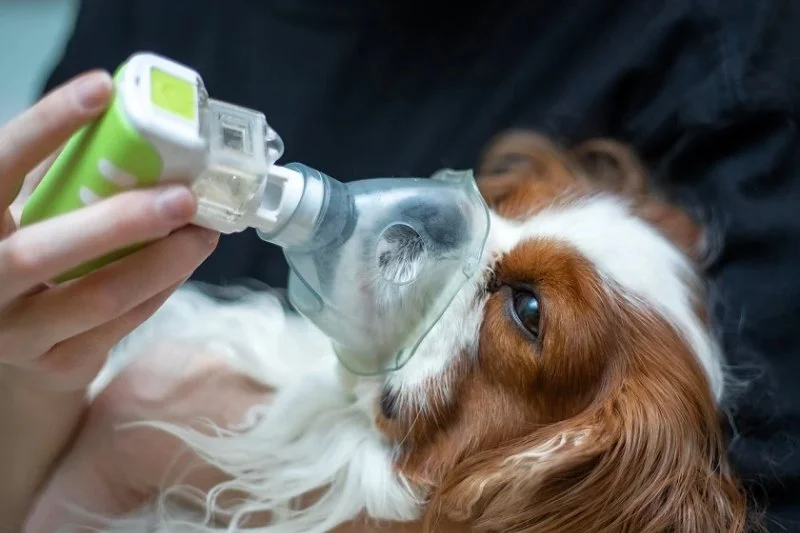
- 1- Recognizing Pet Coughing and Respiratory Issues
- 2- Common Causes of Coughing in Pets
- 3- How to Treat Pet Coughing and Respiratory Issues
- 4- Preventing Respiratory Issues in Pets
- 5- Real-Life Case Studies of Pet Respiratory Issues
1. Recognizing Pet Coughing and Respiratory Issues
Just like humans, pets can experience coughing and respiratory issues, which could range from minor irritations to serious health conditions. Recognizing the signs early is crucial for effective treatment. When your pet starts coughing, wheezing, or showing signs of labored breathing, it is important to observe the behavior closely.
Common symptoms of respiratory issues in pets include:
- Persistent coughing or hacking
- Wheezing or trouble breathing
- Labored or rapid breathing
- Changes in appetite or behavior
- Excessive nasal discharge or coughing up mucus
If your pet exhibits any of these symptoms, it is important to monitor their condition closely and consult with your vet for proper diagnosis and treatment.
2. Common Causes of Coughing in Pets
Pet coughing can be caused by a variety of conditions, some of which are more common than others. Here are some of the most frequent causes:
- Infections: Respiratory infections, like kennel cough or pneumonia, are among the most common causes of coughing in dogs and cats. These infections can be viral, bacterial, or fungal.
- Allergies: Just like humans, pets can have allergies to dust, pollen, mold, and other environmental factors, leading to coughing and sneezing.
- Heart Disease: In some cases, heart disease can cause fluid buildup in the lungs, leading to coughing and difficulty breathing.
- Collapsed Trachea: Particularly common in small dog breeds, a collapsed trachea can cause a persistent, dry cough that worsens with exercise or excitement.
- Asthma: Pets, especially cats, can develop asthma, leading to coughing and difficulty breathing, often triggered by allergens or stress.
Identifying the underlying cause of your pet’s cough will allow your vet to recommend the most effective treatment plan.
3. How to Treat Pet Coughing and Respiratory Issues
Treating your pet’s coughing or respiratory issues depends largely on the cause. Here are some treatment options your vet might suggest:
- Antibiotics: If the cough is caused by a bacterial infection, your vet may prescribe antibiotics to clear up the infection.
- Antihistamines or Steroids: For allergies or inflammation, antihistamines or steroids can help relieve symptoms and make your pet more comfortable.
- Cough Suppressants: If your pet’s cough is dry and persistent, your vet may prescribe a cough suppressant to reduce the irritation.
- Oxygen Therapy: In severe cases, where your pet is having difficulty breathing, oxygen therapy may be needed to help them breathe more easily.
- Humidifiers: Adding moisture to the air can help ease coughing caused by dry or irritated airways. Using a humidifier in the room or providing steam baths can help soothe your pet's throat.
- Dietary Adjustments: If your pet has asthma or a respiratory issue linked to obesity, helping them lose weight or adjusting their diet can improve their health and reduce coughing.
Always consult your veterinarian before beginning any treatment plan for your pet’s respiratory issues to ensure it’s safe and appropriate for their condition.
4. Preventing Respiratory Issues in Pets
Preventing respiratory problems in pets is key to ensuring they live a healthy, comfortable life. Here are some steps you can take to help reduce the risk of coughing and respiratory issues:
- Keep Your Pet’s Environment Clean: Regularly clean your pet’s living space to reduce dust, mold, and allergens that may trigger respiratory issues.
- Avoid Secondhand Smoke: Just like humans, pets can suffer from the harmful effects of secondhand smoke, leading to respiratory problems.
- Regular Exercise: Keeping your pet at a healthy weight through regular exercise can help prevent heart disease and respiratory problems.
- Vaccinations: Make sure your pet is up to date on all vaccinations to help prevent respiratory infections like kennel cough.
- Healthy Diet: Feeding your pet a balanced diet that supports their immune system can help prevent infections and reduce the risk of respiratory problems.
By taking these preventive measures, you can reduce the chances of your pet developing respiratory issues and ensure they remain happy and healthy.
5. Real-Life Case Studies of Pet Respiratory Issues
Real-life examples can often help you understand how pet respiratory issues manifest and how they are treated effectively. Consider the case of “Bella,” a 4-year-old Labrador Retriever. Bella started coughing after a fun day at the dog park, and her owner noticed she was also having difficulty breathing. A trip to the vet revealed that Bella had developed kennel cough, a common but treatable respiratory infection.
In Bella’s case, the vet prescribed antibiotics and cough suppressants. Bella’s owner also followed advice on how to maintain a clean living environment and ensure proper hydration. After a couple of weeks of treatment, Bella made a full recovery and was back to her energetic self.
Another case involves “Whiskers,” a 5-year-old cat who developed asthma. Whiskers’ coughing episodes became more frequent, and she seemed to struggle for breath during them. The vet diagnosed her with feline asthma and recommended a combination of steroids and asthma medication to manage the condition. Whiskers’ owner also invested in an air purifier to help reduce allergens in the home, and with proper care, Whiskers’ condition was well managed.
These real-life examples show how timely intervention and treatment can make a significant difference in managing pet respiratory issues.
For more expert advice on treating pet health issues or finding the best pet care products, visit Brothers Pets to find the right products for your furry friend.






 Petco4.0 (742 reviews)
 Evergreen Animal Hospital4.0 (411 reviews)
 Bloomingdale Animal Hospital, A Thrive Pet Healthcare Partner4.0 (122 reviews)
 Agape Animal Hospital4.0 (238 reviews)
 Veterinary Care of Ithaca4.0 (467 reviews)
 Valley View Animal Hospital4.0 (326 reviews)
 Top 12 Tips for Pet Diseases Every Pet Parent Should Know
 Tips for Maintaining Proper Hydration in Dogs: Essential Care for Your Pet
 How to Spot and Treat Chronic Skin Conditions in Pets
 Best Practices for Cleaning Your Dog’s Paws After Walks
 Parasite Prevention: What Vets Want You to Know for Your Pet's Health
 How to Manage Your Pet’s Chronic Pain with Alternative Therapies