
- Why Indoor Cats Need Stimulation
- Interactive Toys for Indoor Cats
- Creating a Stimulating Environment for Cats
- Importance of Mental and Physical Exercise
- Time for Play and Bonding
Why Indoor Cats Need Stimulation
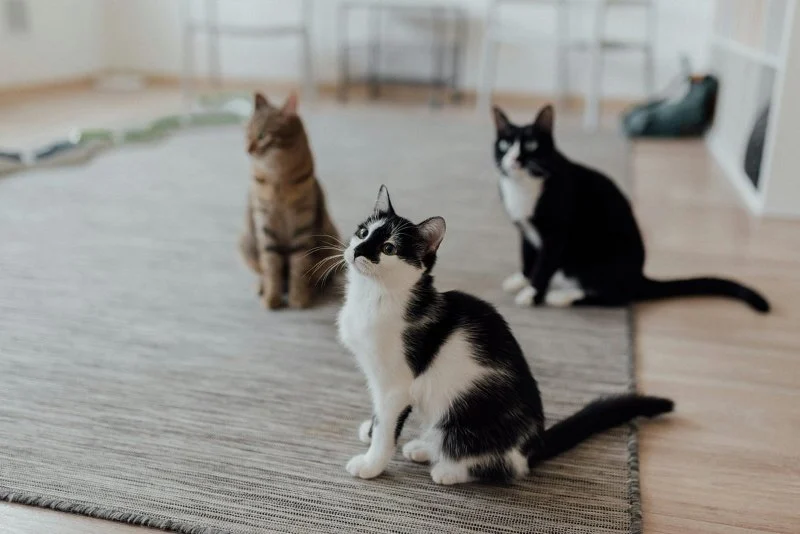
Indoor cats, unlike their outdoor counterparts, face the challenge of limited space and fewer environmental changes, which can lead to boredom and behavioral issues. Cats are natural hunters and explorers, and without proper stimulation, they may become stressed or even develop anxiety-related behaviors. Regular mental and physical stimulation is key to ensuring that your indoor cat stays happy and healthy.
The Risk of Boredom
Indoor cats are more likely to experience boredom because they don't have the same opportunities for hunting, climbing, or exploring as outdoor cats. When cats become bored, they might exhibit undesirable behaviors like scratching furniture, overeating, or excessive meowing. Ensuring your cat stays mentally engaged can prevent these issues and enhance their quality of life.
Interactive Toys for Indoor Cats
One of the best ways to keep your indoor cat stimulated is through interactive toys. These toys mimic the behaviors and objects that cats would encounter in the wild, such as moving prey or puzzles that require problem-solving.
1. Puzzle Toys
Puzzle toys are designed to challenge your cat’s brain by requiring them to think critically to retrieve a treat or toy. These toys not only provide mental stimulation but also encourage problem-solving skills, which are essential for a cat's well-being.
2. Laser Pointers and Wand Toys
Laser pointers and wand toys provide physical activity while mimicking the hunt. Your cat will love chasing a light dot or a moving feather, giving them both exercise and mental stimulation. Just make sure to occasionally let them "catch" the prey to avoid frustration.
Creating a Stimulating Environment for Cats
In addition to toys, creating a stimulating environment can greatly improve your cat’s life. Here are a few things you can do to enhance their surroundings:
1. Vertical Spaces
Cats love climbing and surveying their environment from high vantage points. Providing cat trees, shelves, or window perches allows your cat to explore vertical spaces, giving them a sense of security and stimulation.
2. Hide-and-Seek Areas
Use boxes, tunnels, or small hiding spaces to create an environment where your cat can explore and discover new areas. This mimics natural habitats where cats hide to stalk prey or take a nap.
Importance of Mental and Physical Exercise
Both mental and physical exercise are vital for an indoor cat. Mental stimulation keeps your cat's brain sharp, while physical exercise helps maintain their physical health. Together, they ensure your cat remains happy, active, and engaged.
1. Regular Playtime
Interactive playtime should be part of your daily routine. Even just 15-20 minutes of active play can help tire out your cat and prevent them from becoming bored. Try different types of toys and games to see which ones your cat prefers.
2. Keep Them Moving
Encourage your cat to move by dangling toys in front of them or using a laser pointer to make them chase. This not only provides exercise but also taps into their natural instincts as hunters.
Time for Play and Bonding
In addition to keeping your cat physically active, it’s important to spend quality time bonding with them. Playtime is a great way to strengthen your relationship and ensure your cat feels safe and loved. Building trust through regular, interactive play also makes your cat feel secure in their environment.
Building a Routine
Cats thrive on routine. By incorporating daily playtime and bonding activities into your schedule, your cat will know what to expect, and this sense of predictability can help them feel more comfortable and relaxed.
Keeping your indoor cat happy and stimulated is key to maintaining their well-being. With the right toys, environment, and regular exercise, you can ensure your cat stays engaged and content. Take the time to understand your cat’s needs, and you’ll build a stronger, happier bond with your furry friend.






 Iverson Equine Practice4.0 (5 reviews)
 Gateway Pet Hospital5.0 (12 reviews)
 Tenth Street Animal Hospital4.0 (1236 reviews)
 Miller Adam D DVM3.0 (3 reviews)
 Animal Hospital at Grayhawk4.0 (244 reviews)
 Milo's BARKery & BARKeasy5.0 (6 reviews)
 Common Mistakes in Pet Health and How to Avoid Them - Expert Tips for Healthy Pets
 How to Safely Clean Your Pet’s Ears and Prevent Infections: A Step-by-Step Guide
 How to Provide Comfort and Care for Your Pet During Illness: Essential Tips for Pet Owners
 How to Prevent Tick-Borne Diseases in Cats
 Understanding Pet Arthritis: Symptoms and Management for Better Care
 How to Keep Your Cat Entertained During Rainy Days: Tips for U.S. Pet Owners