
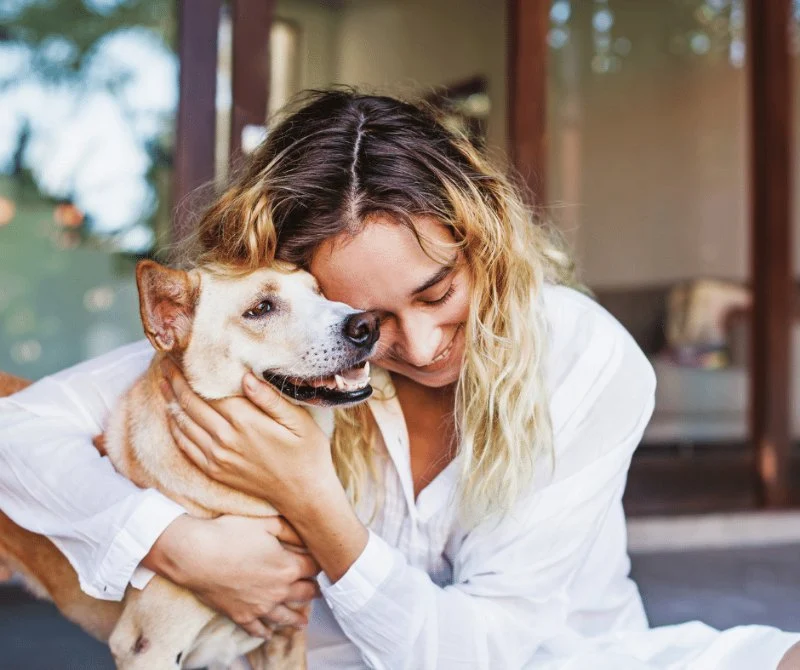
How to Help Pets Cope with Separation Anxiety
- 1. Understanding Separation Anxiety in Pets
- 2. Signs Your Pet Might Have Separation Anxiety
- 3. Tips to Help Your Pet Cope with Separation Anxiety
- 4. When to See a Veterinarian for Separation Anxiety
1. Understanding Separation Anxiety in Pets
Separation anxiety is a condition that affects many pets, especially dogs. It occurs when a pet becomes overly anxious when left alone or separated from their owners. This condition can lead to destructive behaviors such as chewing, scratching, excessive barking, or even attempts to escape. Understanding this condition is crucial for both pet owners and veterinarians in order to provide the best care for pets suffering from it.
Separation anxiety is not just about a pet missing their owner, it’s a deeper issue related to fear and stress. For pets, the absence of their owner can trigger a range of emotional and behavioral responses, which can be difficult to manage without proper intervention. In the case of dogs, the condition is often linked to a lack of confidence or attachment issues, while in cats, it may be due to changes in the environment or routine.
2. Signs Your Pet Might Have Separation Anxiety
It’s important for pet owners to recognize the signs of separation anxiety so they can address the issue early. Some common signs include:
- Excessive barking, whining, or meowing when you leave
- Destructive behavior such as chewing furniture or scratching doors
- Accidents in the house, even though the pet is potty trained
- Escaping or trying to escape the crate or room
- Pacing, drooling, or excessive panting
- Refusal to eat or drink when left alone
Each pet may exhibit different signs of anxiety, and the severity can vary. Some pets might experience mild distress, while others may have more severe reactions. If you notice any of these behaviors, it’s crucial to seek help from a veterinarian or animal behaviorist.
3. Tips to Help Your Pet Cope with Separation Anxiety
While separation anxiety can be distressing for both pets and their owners, there are several steps you can take to help your pet feel more comfortable when left alone:
1. Gradual Desensitization
One effective method to help pets with separation anxiety is through gradual desensitization. This involves slowly getting your pet used to being alone for short periods, then gradually increasing the length of time. Start by leaving your pet alone for just a few minutes and gradually extend it as they get used to being on their own.
2. Provide Safe Spaces
Creating a safe, comfortable space for your pet can help reduce anxiety. This could be a crate or a cozy area with their favorite toys, blankets, and water. A designated safe space helps your pet associate being alone with a calm and secure environment.
3. Interactive Toys and Puzzles
Distractions can be very helpful in easing separation anxiety. Interactive toys, puzzles, and treat-dispensing gadgets can keep your pet mentally stimulated while you’re away. These toys also help create positive associations with your absence, making your pet less likely to focus on their anxiety.
4. Keep Departures and Arrivals Low-Key
Pets with separation anxiety can pick up on emotional cues, so keeping your departures and arrivals calm and uneventful is important. Avoid long goodbyes or big welcomes, as this can make the separation feel more intense. Instead, keep things brief and matter-of-fact.
5. Consider Calming Products
There are various calming products on the market, such as pheromone sprays, calming collars, or anxiety wraps, that can help soothe your pet’s nerves. These products work by mimicking natural calming scents or applying gentle pressure, which can reduce anxiety in some pets.
6. Consistent Routine
Maintaining a consistent daily routine helps reduce stress in pets. Regular feeding times, walks, and play sessions create a sense of security, as pets can predict what will happen next. A predictable routine can be particularly comforting for pets suffering from anxiety.
4. When to See a Veterinarian for Separation Anxiety
If your pet’s separation anxiety is severe or doesn’t improve with home strategies, it’s essential to consult with a veterinarian. A vet can assess the situation and, if needed, refer you to a professional animal behaviorist or prescribe medication to help manage anxiety.
In some cases, medication combined with behavioral therapy can help significantly reduce anxiety. If your pet’s destructive behavior is causing harm or stress, a vet’s intervention is necessary to prevent long-term damage and ensure your pet’s well-being.
For more resources, tips, and professional guidance, visit Brothers Pets to find the best solutions to help your pet cope with separation anxiety and other behavioral issues.





 Animal Medical Center of Kennedy Township P.C.4.0 (154 reviews)
 VIP Petcare Vaccination Clinic0.0 (0 reviews)
 Broadway Veterinary Hospital4.0 (124 reviews)
 Northwood Vet Service, LLC.4.0 (376 reviews)
 Mark's Ark4.0 (1224 reviews)
 South Orange County Animal Hospital4.0 (441 reviews)
 Is Your Pet’s Mental Health on Track? Signs & Tips for U.S. Owners
 How to Identify and Treat Allergic Dermatitis in Cats: A Guide for Pet Owners
 Prevent Overfeeding and Ensure Healthy Meals for Your Dog | Dog Feeding Tips
 Top 5 Tips for Pet Behavior: Improve Training and Communication
 How to Care for Pets with Special Medical Needs | Expert Tips for Pet Owners
 The Dos and Don'ts of Pet Fitness Every Owner Should Know