
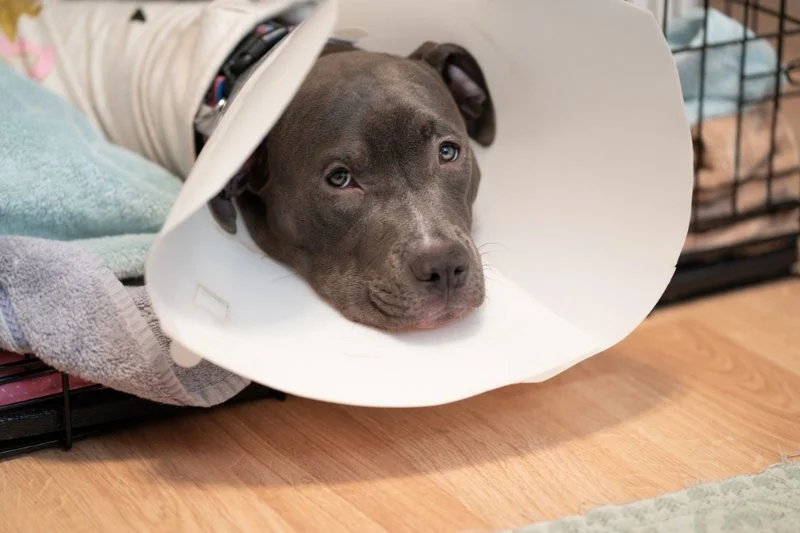
How to Help Your Pet Recover from Surgery: Post-Op Care Tips
After surgery, whether it's a routine procedure or a more complex operation, your pet will need extra care and attention to ensure a smooth recovery. Helping your pet heal involves providing comfort, following your vet’s instructions, and keeping a close eye on their condition. In this article, we’ll explore essential post-op care tips to help your furry friend recover quickly and safely.
1. Understanding Post-Op Care for Pets
When your pet undergoes surgery, their body needs time to heal. Just like humans, pets can experience discomfort, swelling, and changes in behavior after surgery. The post-op period is critical for preventing complications and ensuring a full recovery. By being proactive and attentive, you can greatly improve your pet's healing process.
1.1 The Importance of Rest
After surgery, one of the most important things you can do is provide your pet with a calm and quiet space to rest. Rest is essential for healing as it allows your pet's body to repair itself. Depending on the type of surgery, your vet may advise limiting physical activity for several days or even weeks. Avoid activities like running, jumping, or rough play that could strain the surgical site and delay healing.
1.2 Following Veterinary Instructions
Your veterinarian will give you specific instructions for your pet’s recovery, which may include medication schedules, wound care, and dietary restrictions. It’s crucial to follow these directions closely to avoid complications. If you have any doubts about the instructions, don’t hesitate to reach out to your vet for clarification.
2. Pain Management After Surgery
Managing your pet's pain after surgery is vital to ensure their comfort and recovery. Pain can inhibit your pet’s healing process and make them more anxious or agitated. Here’s how to manage pain effectively:
2.1 Medications
Your vet will likely prescribe pain medications, including anti-inflammatory drugs or opioids, depending on the surgery type. These medications will help reduce pain and inflammation. Ensure you administer the medication as directed, and never give your pet over-the-counter pain relievers without consulting your vet, as some human medications can be toxic to pets.
2.2 Comforting and Reassuring Your Pet
Along with medications, your pet may benefit from comfort and reassurance. Soft bedding, a quiet environment, and your presence can help reduce anxiety. Some pets may be more prone to stress after surgery, and they may seek extra affection or attention. Be patient and try to keep them calm, especially if they are wearing an E-collar or bandages.
3. Nutrition and Hydration During Recovery
Proper nutrition and hydration are vital for recovery. After surgery, pets may have reduced appetite due to anesthesia or pain. Here are some tips for encouraging them to eat and drink:
3.1 Offering Wet Food
If your pet is refusing dry food, try offering wet food or a bland diet, such as boiled chicken and rice, which can be easier on their stomach. Some pets may also benefit from pet food designed specifically for recovery, which provides extra nutrients to support the healing process.
3.2 Ensuring Hydration
Keep your pet well-hydrated by offering fresh water at all times. If your pet isn’t drinking enough, try adding water or low-sodium broth to their food to encourage them to drink. Dehydration can slow down the healing process and lead to other complications.
4. Monitoring for Signs of Complications
While your pet is recovering, it’s essential to monitor them closely for signs of infection or other complications. Here are some things to watch for:
4.1 Wound Care
If your pet has had surgery involving an incision, check the wound regularly for any signs of infection, such as redness, swelling, or discharge. Keep the area clean and dry as per your vet’s instructions. If your pet tries to lick or chew the wound, using an E-collar (cone) can prevent them from causing further damage.
4.2 Unexpected Behavior Changes
Sometimes, pain or discomfort can manifest in behavioral changes. If your pet becomes lethargic, refuses to eat, or shows signs of distress, it could indicate complications. In these cases, contact your veterinarian immediately for advice.
5. Keeping Your Pet Safe and Comfortable
Creating a safe and comfortable environment is essential for your pet's recovery. Here are some tips to help with this:
5.1 Creating a Recovery Space
Set up a quiet, cozy space where your pet can rest without being disturbed. Make sure it’s free from drafts, hazards, and other pets that may stress or excite them. Use soft bedding and place their favorite toys nearby to help them feel at ease.
5.2 Restricting Activity
Follow your vet’s instructions on restricting activity. Depending on the surgery, your pet may need to be kept on a leash or in a crate to prevent excessive movement. This will ensure they don’t strain the surgical site and that they heal properly.
6. Conclusion
Helping your pet recover from surgery requires patience, care, and attention to detail. By following your vet’s instructions, managing pain, ensuring proper nutrition, and keeping a close eye on potential complications, you can help your pet recover quickly and safely. Remember, the post-op period is a time to offer your pet the comfort and support they need to heal. For the best recovery products and services, visit Brothers Pets for expert recommendations tailored to your pet's needs.





 Sulphur Springs Vet Clinic4.0 (184 reviews)
 Banfield Pet Hospital4.0 (300 reviews)
 Trilby Animal Hospital4.0 (138 reviews)
 VCA Lovers Lane Animal Hospital4.0 (87 reviews)
 Vetco Total Care Animal Hospital4.0 (281 reviews)
 Cole Equine4.0 (3 reviews)
 How to Provide Comfort and Care for Your Pet During Illness: Essential Tips for Pet Owners
 Top 10 Tips for Pet Mental Health Every Owner Should Know
 How to Spot and Treat Common Digestive Problems in Pets
 The Importance of Regular Parasite Prevention for Your Pets
 How to Teach Your Dog Basic Commands Quickly | Training Tips for Success
 Travel Tips for Pets: Keeping Dogs and Cats Comfortable