

- 1 - Understanding Pets with Special Medical Needs
- 2 - Creating a Care Plan for Special Needs Pets
- 3 - Nutritional Needs for Pets with Medical Conditions
- 4 - Managing Medications and Treatments for Special Needs Pets
- 5 - Providing Physical Therapy and Exercise for Pets with Special Needs
- 6 - Real-Life Case Study: Caring for a Senior Dog with Arthritis
- 7 - Finding the Right Resources and Products for Special Needs Pets
1. Understanding Pets with Special Medical Needs
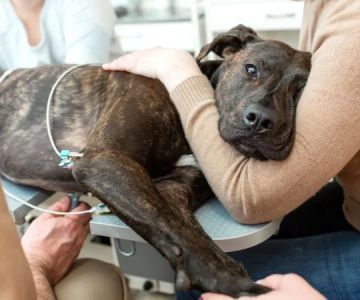
Caring for pets with special medical needs requires patience, understanding, and knowledge of their unique conditions. Whether it's a chronic illness like arthritis, heart disease, or diabetes, pets with special medical needs often require ongoing care, specialized treatments, and tailored diets. Recognizing these needs early and seeking professional guidance can greatly improve their quality of life and longevity.
Unlike healthy pets, those with special medical needs may have restrictions on their activity levels, dietary preferences, and the types of medical treatments they can receive. Therefore, it's important for pet owners to be proactive in managing these conditions while ensuring their pets remain comfortable and happy.
2. Creating a Care Plan for Special Needs Pets
2.1 Consult with Veterinarians
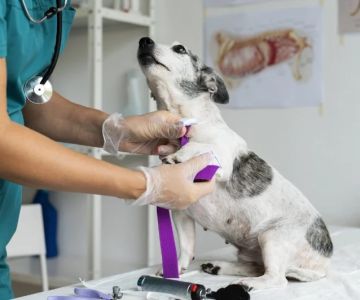
The first step in caring for a pet with special medical needs is to consult with a veterinarian. Your vet will help diagnose the condition and provide recommendations for treatment. Whether it’s medication, therapy, or surgery, your veterinarian’s input is crucial in creating a care plan that works for both you and your pet.
2.2 Monitoring Health and Well-Being
Pet owners should regularly monitor their pet’s health by tracking symptoms, medications, and any changes in behavior. Keeping a detailed record will help you stay on top of their needs and make necessary adjustments to the care plan. A care plan should include regular checkups, blood work, or imaging, depending on the specific medical conditions your pet has.
2.3 Preparing for Emergencies
Pets with special medical needs are more likely to experience emergencies, so it's essential to have a backup plan. This includes having an emergency kit, a list of important phone numbers (such as the vet’s office and 24-hour emergency clinic), and a solid understanding of the symptoms to watch for in case of a crisis.
3. Nutritional Needs for Pets with Medical Conditions
Diet plays a significant role in managing a pet’s medical condition. For pets with special medical needs, the right nutrition is essential in managing symptoms, preventing flare-ups, and improving their overall health. In some cases, pets may need a special diet prescribed by the vet to address specific medical concerns.
3.1 Tailored Diets for Specific Conditions
Pets with diabetes, for example, may require a low-sugar, high-fiber diet to stabilize their blood sugar levels. Pets with kidney disease may need a special low-protein diet to reduce strain on their kidneys. Working with your veterinarian to create a personalized diet plan will ensure your pet gets the necessary nutrients while managing their medical condition.
3.2 Supplements and Natural Remedies
In addition to a proper diet, some pets may benefit from supplements that support their specific health needs. Omega-3 fatty acids, glucosamine, and antioxidants are commonly recommended for pets with arthritis or other inflammatory conditions. Always consult with your vet before adding supplements to your pet’s routine to avoid potential interactions with medications.
4. Managing Medications and Treatments for Special Needs Pets
Pets with chronic medical conditions often require ongoing medications and treatments. This can range from oral medications to topical creams and injections. Managing these medications can sometimes be challenging, especially if your pet has difficulty taking pills or needs regular injections.
4.1 Developing a Medication Schedule
One of the most important aspects of managing a pet with special medical needs is maintaining a consistent medication schedule. Create a medication calendar to track doses and timings, and ensure your pet is receiving the proper amount of medication at the correct times. This will help prevent any lapses that could affect your pet’s health.
4.2 Overcoming Challenges with Medication
For pets who resist taking pills or injections, there are several strategies you can try, including hiding the medication in food, using pill pockets, or working with your vet to find alternative treatments, such as liquid medications or patches. If your pet requires injections, consider asking your vet to show you the best way to administer them safely at home.
5. Providing Physical Therapy and Exercise for Pets with Special Needs
Exercise and physical therapy are crucial for pets with special medical needs, especially those with conditions like arthritis, hip dysplasia, or neurological disorders. Regular exercise can help improve mobility, reduce pain, and maintain a healthy weight, which is essential for managing certain conditions.
5.1 Low-Impact Exercises
For pets with mobility issues, low-impact exercises are essential. Swimming is an excellent option for dogs with arthritis, as it provides a full-body workout without putting stress on the joints. Other low-impact activities include gentle walks and controlled stretching exercises. Always consult with your vet or a certified pet physical therapist to develop an appropriate exercise plan for your pet’s condition.
5.2 Professional Physical Therapy
In some cases, pets with special medical needs may benefit from professional physical therapy. This can include modalities like massage therapy, laser therapy, or acupuncture, which help manage pain and improve physical function. Working with a professional can accelerate your pet’s recovery and provide relief from chronic pain.
6. Real-Life Case Study: Caring for a Senior Dog with Arthritis
Meet Max, a 12-year-old Labrador who began showing signs of arthritis in his back legs. His owners noticed that he had trouble getting up after lying down and was slower during walks. After a visit to the vet, Max was diagnosed with arthritis, and his owners developed a care plan to help him manage his condition.
Max’s care plan included a special diet rich in omega-3 fatty acids, regular physical therapy sessions to improve his joint mobility, and pain medications to reduce inflammation. Over time, Max became more active, and his pain was better controlled. His owners also learned how to monitor his symptoms closely and adjust his treatment plan as needed.
7. Finding the Right Resources and Products for Special Needs Pets
Caring for pets with special medical needs requires access to the right resources, products, and services. At Brothers Pets, pet owners can find a wide range of products tailored to the needs of pets with medical conditions, including orthopedic beds, mobility aids, and specialized nutrition. It’s important to choose products that are specifically designed for your pet’s condition to ensure the best care.
Additionally, staying informed through reputable sources, such as your veterinarian and trusted pet care websites, will help you navigate the complexities of caring for a pet with special medical needs. Ensure that you have a support network in place to guide you through the process and help you make informed decisions for your pet’s health and well-being.




 UrgentVet4.0 (538 reviews)
 Pamper Ur Pets4.0 (98 reviews)
 Deerwood Animal Clinic: William Rebecca DVM4.0 (15 reviews)
 Banfield Pet Hospital3.0 (80 reviews)
 Good Dog Veterinary Care East Cobb5.0 (86 reviews)
 Holistic Healthy Hounds By Hunky Hound Handlers5.0 (23 reviews)
 How to Choose the Right Pet Insurance Plan
 How to Improve Your Pet’s Adoption Experience with Confidence and Care
 How to Spot and Treat Hip Dysplasia in Dogs: A Complete Guide
 Common Mistakes in Pet Adoption and How to Avoid Them
 Common Mistakes in Parasite Prevention and How to Avoid Them
 How to Recognize and Treat Skin Allergies in Cats: Expert Tips for Pet Owners