
- 1- Understanding the Importance of Proper Medication Administration
- 2- Common Challenges in Giving Pets Medication
- 3- Tips and Tricks for Administering Medication to Your Pet
- 4- Different Types of Pet Medications and How to Handle Them
- 5- When to Seek Professional Help
1- Understanding the Importance of Proper Medication Administration
Administering medication to pets is an essential part of maintaining their health. Whether your pet is recovering from an illness, managing a chronic condition, or simply requires preventive care, getting the dosage right and ensuring that the medication is delivered effectively is crucial. Incorrect administration can lead to inadequate treatment or even harm to your pet, which is why it is important to follow best practices.
2- Common Challenges in Giving Pets Medication
Pet owners often face challenges when trying to give their pets medication. Some common obstacles include:
- Reluctance to Take Medication: Many pets, especially cats and dogs, may resist taking medication, making the process stressful for both the pet and the owner.
- Administering the Right Dosage: Accurately measuring and delivering the right amount of medication is crucial to ensure your pet receives the correct treatment.
- Understanding the Medication Type: Different medications, such as pills, liquids, or topical treatments, require different administration techniques.
3- Tips and Tricks for Administering Medication to Your Pet
Here are some practical tips and tricks to make the process of giving medication to your pet easier and safer:
- Use a Pill Pocket or Treat: Many pets enjoy tasty treats, so you can hide pills inside pill pockets or soft treats to make swallowing easier. Just be sure to check that your pet consumes the entire medication.
- Wrap the Medication in Food: For pets that are picky or difficult to medicate, wrapping the pill in a small amount of their favorite food, such as cheese or peanut butter, may help.
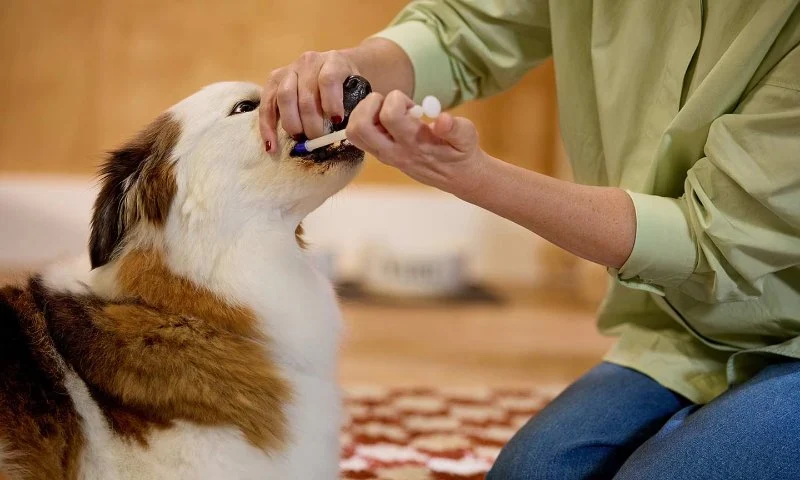
- Use a Syringe for Liquid Medication: If your pet is taking liquid medication, using a syringe or dropper can help you administer the medicine directly into their mouth, avoiding spillage and ensuring proper dosage.
- Stay Calm and Gentle: Pets can sense their owners' emotions, so try to remain calm and gentle during the process. This can help reduce your pet’s stress and make them more cooperative.
4- Different Types of Pet Medications and How to Handle Them
There are several types of medications that your pet might need. Each type has its own unique method of administration:
- Pills and Tablets: These are the most common form of medication for pets. You can hide them in food or use a pill popper to administer them directly into the pet’s mouth.
- Liquid Medications: Often used for pets that are difficult to medicate with pills. Use a syringe or dropper to squirt the liquid into the side of their mouth, aiming for the cheek pouch.
- Topical Medications: These include ointments, creams, and spot-on treatments. Be sure to follow instructions carefully to apply these treatments correctly, especially in hard-to-reach areas.
- Injections: Some pets require injections, often for chronic conditions. If you're unsure how to administer these, your vet can show you the proper technique.
5- When to Seek Professional Help
Sometimes administering medication can be challenging, and it’s important to know when to seek help. If you are unsure of the correct dosage or how to properly administer a specific type of medication, consult your veterinarian. Additionally, if your pet refuses to take their medication or shows signs of distress after receiving it, professional guidance may be needed.
It’s also a good idea to get professional assistance if your pet has a severe reaction to the medication. In these cases, your veterinarian may need to adjust the dosage or prescribe an alternative treatment.
For more tips, guidance, and quality pet care products, visit Brothers Pets where we offer a variety of pet medication tools and resources for a smoother pet healthcare experience.



 Olde Towne Animal Medical Center4.0 (158 reviews)
 VCA Monte Vista Animal Hospital3.0 (83 reviews)
 VCA Animal Hospitals Urgent Care - Tustin3.0 (23 reviews)
 Spring City Pet Care4.0 (28 reviews)
 Saint Francis Veterinary Medical Center5.0 (100 reviews)
 Kennesaw Mountain Animal Hospital4.0 (168 reviews)
 How to Make Your Home Safe for Senior Pets | Expert Tips
 Understanding Pet Obesity: Causes, Risks, and Prevention
 How to Recognize and Treat Heatstroke in Pets: A Comprehensive Guide
 How to Provide Proper Exercise for Indoor Pets
 How to Prevent Obesity in Small Dog Breeds: Tips for a Healthy Weight
 How to Train Your Dog to Be Comfortable Around Strangers