
- 1-Understanding Pet Skin and Coat Health
- 2-Nutritional Needs for Healthy Skin and Coat
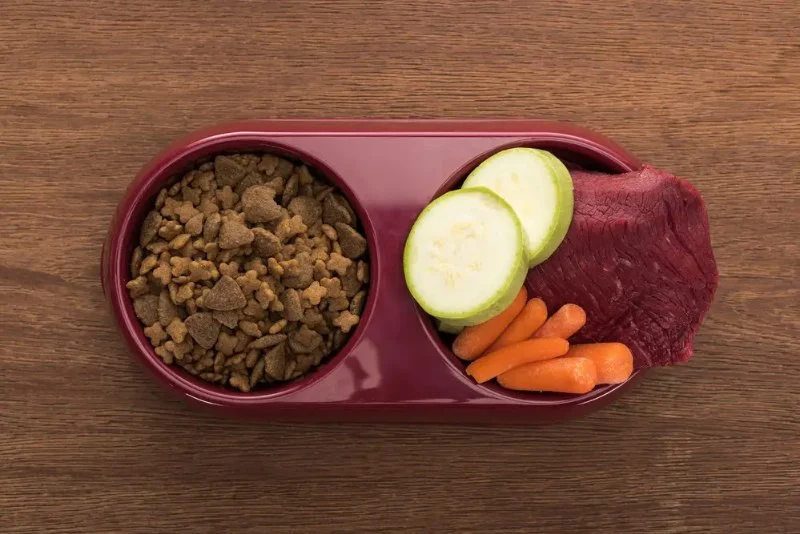
- 3-Foods to Include in Your Pet’s Diet
- 4-Supplements for Skin and Coat Health
- 5-Common Dietary Mistakes to Avoid
- 6-When to Consult a Veterinarian
1. Understanding Pet Skin and Coat Health
Your pet's skin and coat are direct indicators of their overall health. A shiny, thick, and smooth coat often signifies a well-balanced diet and good health, while dry, flaky skin and dull fur could indicate nutritional deficiencies. Just like humans, pets need a proper balance of nutrients to maintain healthy skin and a lustrous coat. This article explores the vital role of nutrition in pet skin and coat health and offers practical tips to help you improve your pet's diet for better fur quality.
2. Nutritional Needs for Healthy Skin and Coat
The right nutrients play a pivotal role in your pet’s skin and coat condition. A diet rich in essential fatty acids, proteins, and vitamins ensures optimal fur growth and skin hydration. Let’s break down the key nutrients that contribute to a healthy coat:
2.1 Essential Fatty Acids (Omega-3 and Omega-6)
Omega-3 and Omega-6 fatty acids are crucial for maintaining the health of your pet’s skin and coat. These healthy fats help to maintain the skin’s barrier function, improve moisture retention, and reduce inflammation that could lead to itching and hair loss. Foods rich in Omega-3s, such as salmon and flaxseed, are excellent additions to your pet's diet.
2.2 High-Quality Protein
Protein is the building block of hair. High-quality protein sources, such as chicken, turkey, and fish, provide amino acids that support hair growth and skin repair. A deficiency in protein can lead to thinning hair and unhealthy skin.
2.3 Vitamins A and E
Vitamins A and E are essential for the repair and maintenance of healthy skin. Vitamin A helps regulate skin cell production, while vitamin E acts as an antioxidant that protects the skin from damage due to oxidative stress. These vitamins are commonly found in carrots, sweet potatoes, and leafy greens.
2.4 Zinc
Zinc is another vital nutrient for maintaining a healthy coat. It helps in cell regeneration and supports immune function, which contributes to a strong, shiny coat. Zinc is found in foods like meat, shellfish, and fortified pet foods.
3. Foods to Include in Your Pet’s Diet
Incorporating the right types of food into your pet’s daily diet can significantly enhance their skin and coat health. Below are some recommended foods for promoting healthy fur:
3.1 Fish and Fish Oils
Fish such as salmon, sardines, and mackerel are rich in Omega-3 fatty acids, which are essential for skin health. Fish oils are also available as supplements and can be added to your pet's food for an extra boost.
3.2 Sweet Potatoes and Carrots
Sweet potatoes and carrots are rich in beta-carotene, a precursor of vitamin A. These vegetables help maintain skin cell health and promote a smooth coat. They also provide essential fiber and antioxidants.
3.3 Eggs
Eggs are a fantastic source of high-quality protein and biotin, both of which are important for healthy hair growth. Eggs can be added to your pet’s food in a scrambled or boiled form.
3.4 Leafy Greens
Leafy greens like spinach and kale are packed with vitamins A, C, and K, as well as fiber and antioxidants. These vegetables help nourish your pet’s skin and support overall health.
4. Supplements for Skin and Coat Health
If your pet is not getting enough of the essential nutrients through their regular diet, supplements can provide the extra support they need. Below are some common supplements that can benefit your pet’s skin and coat health:
4.1 Omega-3 Fatty Acid Supplements
Omega-3 supplements are available in liquid or capsule form and can be added to your pet's food. These supplements promote skin hydration and help reduce inflammation associated with dry or itchy skin.
4.2 Biotin Supplements
Biotin is a B-vitamin that plays an important role in maintaining healthy skin and fur. Supplementing biotin can help improve your pet’s coat quality and prevent hair loss.
4.3 Zinc Supplements
Zinc is essential for your pet’s skin regeneration. If your pet is experiencing skin issues like excessive shedding or dandruff, zinc supplements may help support their skin’s health.
5. Common Dietary Mistakes to Avoid
While improving your pet’s diet is important, there are some common mistakes pet owners should avoid when making changes to their pets' food regimen:
5.1 Overfeeding
Overfeeding your pet, even with healthy foods, can lead to obesity, which in turn can lead to skin problems. Make sure you follow feeding guidelines and adjust portions based on your pet's weight and activity level.
5.2 Sudden Diet Changes
Making sudden changes to your pet’s diet can cause digestive upset and may not allow their body to adjust to the new foods. Gradually transition to a new diet to give your pet’s digestive system time to adapt.
5.3 Neglecting Hydration
Proper hydration is just as important as diet for maintaining healthy skin and a shiny coat. Make sure your pet has access to fresh, clean water at all times.
6. When to Consult a Veterinarian
If your pet’s skin or coat issues persist despite dietary improvements, it may be time to consult a veterinarian. They can help identify any underlying health conditions and provide tailored dietary or medical recommendations for your pet’s unique needs.
For expert advice on pet nutrition and to find high-quality pet food products that support your pet’s skin and coat health, visit Brothers Pets for the best recommendations and services.



 Underground Aquaticz4.0 (86 reviews)
 Banfield Pet Hospital3.0 (169 reviews)
 Vetco Total Care Animal Hospital4.0 (76 reviews)
 VCA New Kent Animal Hospital4.0 (163 reviews)
 Echo Vet Cardio4.0 (31 reviews)
 Petco4.0 (863 reviews)
 How to Keep Your Senior Cat Active and Engaged – Tips for Healthy Aging
 What You Need to Know About Pet Insurance: Choosing the Right Plan
 How to Clean Your Cat’s Ears Safely at Home in 2024
 Expert Advice on Pet Diseases: Symptoms, Prevention, and Real Solutions
 Top 7 Tips for Pet Vaccination Every Owner Should Know
 How to Calm Anxious Pets During Fireworks: Expert Tips for Pet Owners