
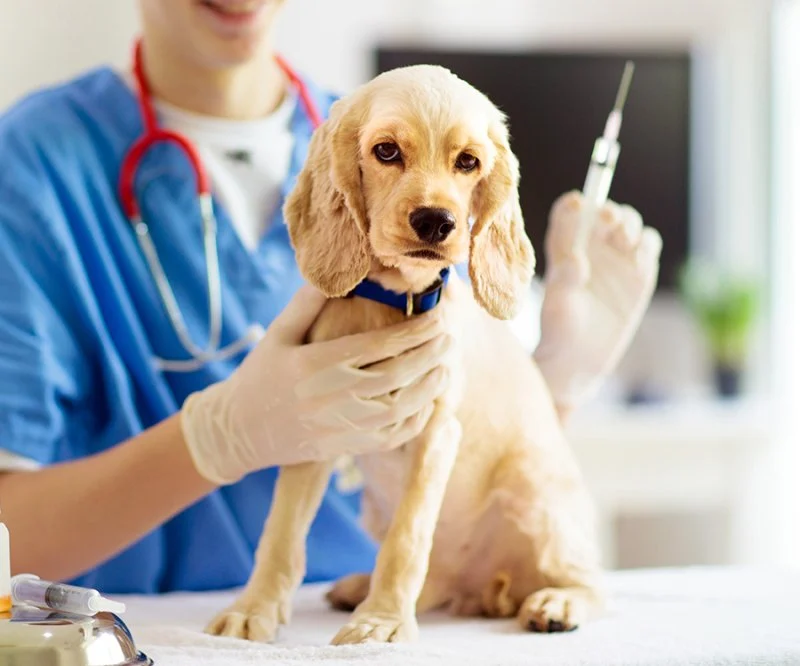
- know-your-pets-vaccine-schedule
- understand-core-vs-non-core-vaccines
- work-with-a-trusted-veterinarian
- keep-your-pet-comfortable-before-and-after
- never-skip-or-delay-vaccine-boosters
- track-your-pets-vaccination-records
- brothers-pets-supports-smart-pet-care
1. Know Your Pet’s Vaccine Schedule
Understanding the timing of pet vaccinations is crucial for preventing serious diseases. Puppies and kittens need a series of vaccines beginning at 6–8 weeks old, with boosters every few weeks until around 16 weeks. Adult pets typically receive boosters annually or every three years, depending on the vaccine type. Not following a consistent schedule can leave your pet vulnerable to preventable illnesses like parvo or feline distemper.
2. Understand Core vs. Non-Core Vaccines
Core vaccines protect against diseases that are widespread and dangerous—like rabies, distemper, and parvovirus for dogs, or panleukopenia and herpesvirus for cats. Non-core vaccines, such as Bordetella (kennel cough) or feline leukemia, are recommended based on your pet’s lifestyle, environment, and exposure risk. For instance, if your dog frequently visits dog parks, non-core vaccines may be essential. Talk with your vet to ensure your furry friend gets what’s truly necessary.
3. Work With a Trusted Veterinarian
Choosing a vet isn’t just about convenience—it’s about building a long-term relationship that ensures your pet’s health is consistently monitored and updated. A trustworthy vet won’t push unnecessary shots, and they’ll remind you when your pet’s next vaccine is due. Always ask for clarification if a suggested vaccine seems unfamiliar or redundant. Trust is everything when it comes to preventative care.
4. Keep Your Pet Comfortable Before and After
4.1 Before the Appointment
Some pets get anxious before vet visits. Bring their favorite blanket or treat to help them feel secure. Short walks and calm words work wonders, especially for dogs.
4.2 After the Shot
It’s normal for pets to feel tired or a bit sore after vaccinations. Provide a quiet, cozy space to rest. Watch for swelling, low appetite, or allergic reactions. If your pet experiences unusual symptoms like vomiting or facial swelling, call your vet immediately.
5. Never Skip or Delay Vaccine Boosters
Boosters are not optional—they’re essential. Delaying them may require restarting the entire vaccination series, costing more money and exposing your pet to risk. A lapse in a rabies shot, for example, could not only endanger your pet but violate local laws. Always keep a reminder system—calendar alerts, apps, or even sticky notes—to stay on top of your pet’s vaccine needs.
6. Track Your Pet’s Vaccination Records
Having updated vaccine records is not just helpful for emergencies—it’s often required for boarding, travel, grooming, or daycare. Keep both a digital and physical copy on hand. Apps like Pawprint or PetDesk make it easy to manage everything in one place. If you move or switch vets, these records become especially important to ensure seamless care continuity.
7. Brothers Pets Supports Smart Pet Care
Whether you’re a first-time pet parent or a lifelong animal lover, following proper vaccination protocols is one of the most responsible things you can do. At Brothers Pets, we support pet families by connecting them with trusted vets, health products, and local services that make vaccination stress-free and effective. A healthy pet is a happy pet—and peace of mind starts with informed decisions.




 Little Paws Dog Shop LLC4.0 (131 reviews)
 St. Francis Animal Clinic4.0 (140 reviews)
 On Point Mobile Acupuncture Veterinary Services5.0 (6 reviews)
 Redwood Veterinary Hospital4.0 (680 reviews)
 Noah's Ark Animal Hospital & Bird Clinic4.0 (566 reviews)
 Oh Rats!0.0 (0 reviews)
 How to Choose the Best Pet Supplements for Joint Health
 Pet Mental Health: What Vets Want You to Know in the US
 Best Practices for Cat Grooming at Home
 Tips for Keeping Indoor Cats Happy and Stimulated – Expert Advice for Cat Owners
 Managing Your Pet's Stress and Anxiety: Tips for Owners in 2024
 Common Mistakes in Pet Adoption and How to Avoid Them