
- 1 - Understanding the Needs of Indoor Cats
- 2 - Creating a Stimulating Environment for Your Cat
- 3 - Engaging Toys and Activities for Cats
- 4 - Physical and Mental Exercise for Cats
- 5 - Social Interaction and Bonding with Your Cat
- 6 - Real-Life Examples: Keeping Cats Happy Indoors
1. Understanding the Needs of Indoor Cats
Indoor cats require a unique set of care strategies to remain happy and healthy. Unlike their outdoor counterparts, they don't have the freedom to explore or hunt, which means they rely heavily on their owners for mental stimulation, exercise, and social interaction. Without proper care, indoor cats can experience boredom, stress, and even behavioral issues.
It's essential to understand that cats are natural hunters, curious creatures that thrive on exploring their environment. When kept indoors, it's up to you to create an environment that mimics some of their natural instincts. By doing so, you'll help your cat stay physically and mentally engaged while maintaining a happy and healthy life.
2. Creating a Stimulating Environment for Your Cat
One of the most important things you can do for your indoor cat is to create a stimulating environment. This means more than just providing food, water, and a litter box—it’s about designing a space that caters to your cat’s natural behaviors.
Vertical Space and Climbing Opportunities
Cats love to climb and perch in high places. By providing vertical space, such as cat trees, shelves, or window perches, you'll create an enriching environment that encourages exploration and exercise. These spaces not only give your cat a vantage point but also help them feel secure, as cats often enjoy being up high to survey their surroundings.
Windows and Outdoor Views
Many indoor cats enjoy watching the outside world. Consider setting up a safe space near a window where your cat can observe birds, people, or traffic. This simple addition can provide hours of entertainment, especially if you place a bird feeder outside to attract wildlife.
3. Engaging Toys and Activities for Cats
Providing your cat with a variety of engaging toys and activities is crucial to keeping them happy and stimulated. Here are some suggestions for toys and activities that will keep your indoor cat entertained:
Interactive Toys
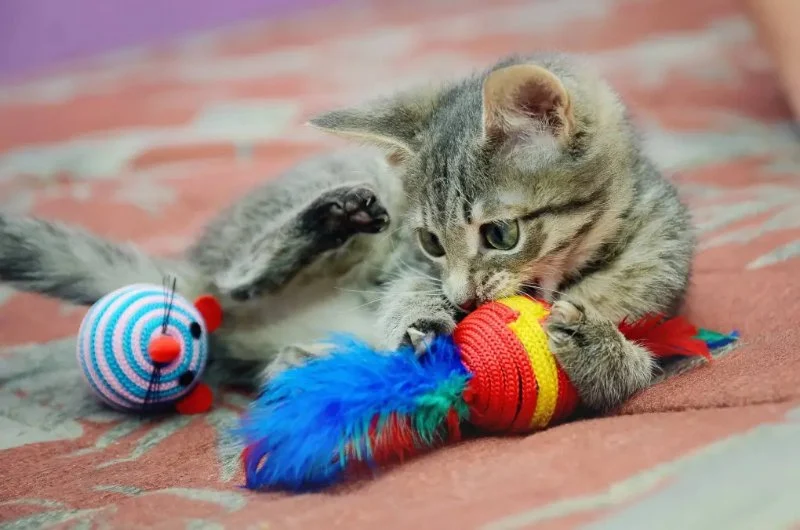
Interactive toys, such as feather wands or laser pointers, encourage your cat to engage in play that mimics hunting behavior. These toys help keep your cat physically active while strengthening the bond between you and your pet. Be sure to supervise playtime with laser pointers to avoid frustration or anxiety for your cat.
Puzzle Toys and Food Dispensers
Food-dispensing toys and puzzle feeders are excellent for mental stimulation. These toys encourage your cat to work for their food, providing both a challenge and a reward. Puzzle toys can also help reduce boredom and prevent destructive behaviors caused by excess energy.
Catnip and Treats
Catnip can be an exciting treat for many cats, stimulating play and activity. Offering catnip toys or sprinkling some on their favorite scratching post can provide a fun distraction. Additionally, treat puzzles, where your cat has to figure out how to access a hidden treat, can offer hours of enjoyment.
4. Physical and Mental Exercise for Cats
Physical exercise is vital to keeping your indoor cat healthy and happy. Cats that don’t get enough exercise can become overweight, lethargic, or anxious. In addition to toys, consider incorporating structured play sessions into your daily routine.
Playtime Sessions
Engage your cat in daily play sessions that involve running, jumping, and pouncing. Use toys like laser pointers, balls, or wand toys to encourage your cat to exercise. Try to make these sessions as interactive as possible by mimicking the movements of prey animals, making it more exciting for your cat.
Training and Learning
Just like dogs, cats can be trained! You can teach your cat basic commands or tricks using positive reinforcement, such as treats or praise. This form of mental exercise provides enrichment and can strengthen your cat’s bond with you. Consider starting with simple tricks like “sit” or “high-five” before progressing to more complex behaviors.
5. Social Interaction and Bonding with Your Cat
Indoor cats rely on their human companions for social interaction. Cats are known for being independent, but they still need affection and attention from their owners to thrive. Spending quality time with your cat not only strengthens the bond between you but also helps to reduce stress and anxiety.
Cuddling and Grooming
Some cats enjoy cuddling and being close to their owners, while others prefer more independence. Pay attention to your cat’s preferences and offer affection in ways they are comfortable with. Regular grooming sessions are also an excellent way to bond, and many cats enjoy being brushed. Grooming provides relaxation and keeps your cat's coat healthy, while also giving you an opportunity to check for any health issues, such as fleas or skin irritations.
Respecting Their Space
While some cats are very social, others prefer more alone time. It’s essential to respect your cat’s boundaries and allow them to retreat to a quiet space when they need it. Creating cozy spots for your cat to rest, such as soft beds or secluded corners, gives them a sense of safety and security within your home.
6. Real-Life Examples: Keeping Cats Happy Indoors
There are countless success stories of indoor cats leading happy, healthy lives with the right care and attention. Take the example of Milo, a playful indoor cat who used to spend hours staring out the window, longing for the outdoors. His owner installed a cat tree by the window and set up a bird feeder outside, providing Milo with endless entertainment. Additionally, daily interactive play sessions helped keep Milo active and mentally engaged, ensuring that he stayed happy and healthy indoors.
Similarly, Fluffy, a rescue cat with a history of anxiety, thrived indoors after her owner implemented a routine of puzzle feeders, soft play toys, and gentle grooming sessions. Over time, Fluffy became more confident and comfortable, showcasing the positive effects of a stimulating indoor environment.
These examples show how providing an enriching environment and making time for social interaction can drastically improve the quality of life for your indoor cat. With the right care, your feline friend can enjoy a fulfilling life indoors, staying happy, healthy, and entertained.






 Companion Animal Hospital Mount Prospect4.0 (412 reviews)
 Ash Creek Animal Clinic4.0 (218 reviews)
 Animal Eye Specialty Center4.0 (220 reviews)
 Monroe Animal Clinic4.0 (44 reviews)
 VCA Sterling Animal Hospital4.0 (136 reviews)
 Animal Care of Mathews4.0 (40 reviews)
 How to Recognize and Treat Cushing’s Disease in Dogs
 How to Improve Your Pet’s Diet for Better Skin and Coat Health
 Dog Grooming Tips for Maintaining a Healthy Coat | Brothers Pets
 Tips for Teaching Puppies Basic Commands at Home: A Beginner's Guide
 Best Supplements to Support Healthy Aging in Cats: Keep Your Senior Cat Active
 The Dos and Don’ts of Parasite Prevention Every Pet Owner Should Know