
- 1-Understanding Pet Anxiety During Fireworks
- 2-Signs of Anxiety in Pets During Fireworks
- 3-Effective Strategies to Calm Your Pets
- 4-How to Prevent Anxiety in Future Events
- 5-Real Life Stories of Pet Owners Managing Fireworks Anxiety
1-Understanding Pet Anxiety During Fireworks
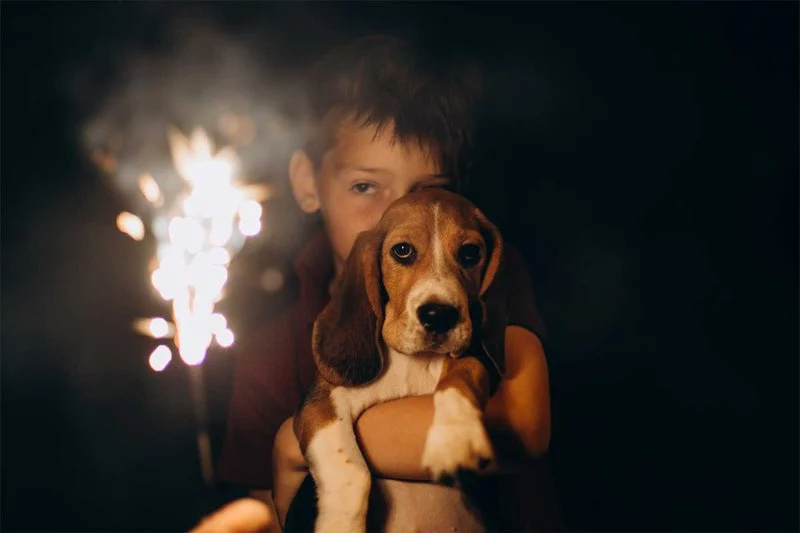
For many pets, fireworks can be an overwhelming experience. The loud noises, bright flashes, and unfamiliar smells can cause extreme anxiety. This is especially common in dogs, but cats and even small animals like rabbits may also be affected. Pets have heightened senses, so the sound of fireworks can be much louder to them than it is to humans.
Understanding your pet’s anxiety is crucial in addressing the issue effectively. While some pets may react mildly, others may exhibit signs of fear and distress. Fortunately, with the right approach, you can help ease their anxiety and make fireworks events more manageable for them.
2-Signs of Anxiety in Pets During Fireworks
Recognizing when your pet is experiencing anxiety is the first step in helping them feel more comfortable. Here are some common signs that your pet may be stressed during fireworks:
2.1-Shaking and Trembling
One of the most noticeable signs of anxiety in pets is shaking. If your dog or cat is trembling, especially during the time when fireworks are happening, it’s a sign they are feeling scared or uncomfortable.
2.2-Hiding or Seeking Shelter
Pets may try to hide or find a safe space during fireworks. Dogs may retreat to a corner, under furniture, or even try to escape outdoors, while cats often seek refuge in small, quiet spaces away from the noise.
2.3-Excessive Barking or Meowing
Some pets vocalize their discomfort by barking or meowing excessively. This can be a response to the loud noises, and in some cases, it may continue long after the fireworks have stopped.
2.4-Aggressive Behavior
An anxious pet may also display aggression. If your normally calm pet is suddenly snapping, growling, or showing aggressive behavior, it could be due to fear and anxiety.
3-Effective Strategies to Calm Your Pets
Luckily, there are several effective strategies you can implement to calm your anxious pets during fireworks. Here are some expert tips:
3.1-Create a Safe Space
One of the best ways to comfort an anxious pet is to create a safe and quiet space for them to retreat to. Set up a designated area with their bed, some toys, and a familiar scent. Make sure it’s away from windows and doors, where they may be exposed to loud noises or flashes of light.
3.2-Desensitize Your Pet
If your pet experiences anxiety during fireworks every year, it can be helpful to desensitize them before the big event. Play recordings of fireworks at a low volume, gradually increasing the sound over time. Pair this with positive reinforcement, such as treats, to help your pet associate the sound with good things.
3.3-Use Anxiety-Reducing Products
There are several products designed to help calm anxious pets. For example, calming collars, pheromone diffusers, and anxiety wraps (like the Thundershirt) can provide comfort. Additionally, some natural supplements, such as CBD oil or herbal remedies, may help to reduce anxiety, but always consult with your veterinarian first.
3.4-Provide Distraction
Distraction can be an effective tool to divert your pet’s attention from the fireworks. Try playing soft music, providing a favorite chew toy, or engaging in a fun activity like playing fetch. This can help shift their focus and provide a sense of normalcy.
3.5-Consult Your Veterinarian
If your pet’s anxiety is severe or doesn’t improve with simple strategies, consider speaking to your veterinarian. They may recommend prescription medications or more advanced treatments tailored to your pet’s specific needs.
4-How to Prevent Anxiety in Future Events
While the strategies above can help during a fireworks event, there are also proactive steps you can take to prevent future anxiety episodes:
4.1-Plan Ahead
Planning ahead is key when you know fireworks are coming up. Make arrangements to keep your pet indoors and in a calm, quiet space during fireworks displays. This can significantly reduce their exposure to the triggers that cause anxiety.
4.2-Regular Exposure to New Sounds
Exposing your pet to a variety of new sounds regularly can help reduce sensitivity to loud noises. Consider using sound therapy, where you gradually introduce different sounds in a controlled manner, to help your pet become more adaptable.
4.3-Consult with an Animal Behaviorist
If your pet’s anxiety is chronic or severe, it may be worth working with an animal behaviorist. They can provide tailored strategies and training to help desensitize your pet to fireworks and other loud noises.
5-Real Life Stories of Pet Owners Managing Fireworks Anxiety
Here are some real stories shared by pet owners who successfully managed their pets' anxiety during fireworks:
5.1-John's Story: Helping His Dog with Severe Anxiety
John’s dog, Max, had severe anxiety during fireworks. John tried various methods, including creating a safe space and using calming treats. However, it wasn’t until he tried the Thundershirt that Max showed significant improvement. Now, Max remains calm during fireworks displays, and John feels confident he’s doing everything he can to help his pet.
5.2-Susan's Experience with Cats and Fireworks
Susan’s two cats were terrified of fireworks, often hiding under the bed and refusing to come out. After consulting with her vet, Susan started using a calming pheromone diffuser and playing soothing music during fireworks. Her cats’ anxiety has lessened over time, and they’re much more comfortable during celebrations now.
Helping your pet through the anxiety of fireworks is possible with the right strategies and care. With a little planning, patience, and support, you can ensure your furry friend remains calm and comfortable during these stressful events. For more tips and helpful products, visit 【Brothers Pets】 for expert recommendations and advice.



 Best Puppies For Sale4.0 (96 reviews)
 Pet Assistance, Inc.2.0 (7 reviews)
 The Animal Clinic, P.S.C.4.0 (407 reviews)
 River Mill Animal Hospital - Dr. Tammie Hodge4.0 (114 reviews)
 Dr. Terry L Hills DVM5.0 (4 reviews)
 South County Animal Hospital, A Thrive Pet Healthcare Partner4.0 (145 reviews)
 Raw Food Diets for Pets: Pros, Cons, and Veterinary Opinions
 How to Spot and Treat Liver Disease in Cats and Dogs: A Complete Guide
 How to Spot Symptoms of Food Allergies in Cats: A Guide for Pet Owners
 How to Choose the Right Vet for Your Pet's Specific Needs
 Best Dog Breeds for Active Families with Kids: Top Choices for Fun and Play
 How to Spot Early Signs of Cancer in Pets and What to Do Next