
1-Understanding Heatstroke in Pets
As temperatures rise during the summer months, pets are at a higher risk of heatstroke. This potentially fatal condition occurs when a pet's body temperature rises too high and it can no longer regulate it. Heatstroke in pets is more common than many pet owners realize, and it’s crucial to understand how to recognize the signs and take action immediately. In this article, we’ll explain the symptoms of heatstroke in pets, how to treat it, and steps you can take to prevent it from happening in the first place.
2-Symptoms of Heatstroke in Pets
Heatstroke in pets can develop quickly, and recognizing the symptoms early is essential for successful treatment. Here are some key signs to watch for:
2.1-Increased Panting and Drooling
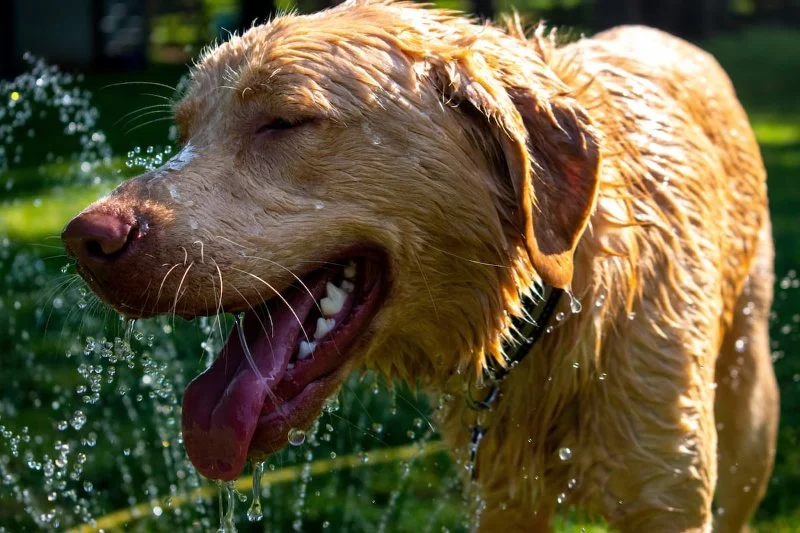
Excessive panting and drooling are among the first signs of heatstroke in pets. While panting is a normal response to heat, heatstroke leads to excessive panting that is much more rapid and heavy. If your pet is panting intensely and drooling more than usual, it could be a sign of overheating.
2.2-Rapid Heart Rate and Weakness
A rapid heart rate combined with weakness or lethargy is another red flag. When pets become overheated, their bodies work overtime to try to cool down, and this can cause their hearts to race. If your pet seems unusually weak, unable to move around normally, or collapses, it may be in the early stages of heatstroke.
2.3-Vomiting and Diarrhea
Pets experiencing heatstroke may vomit or have diarrhea as their bodies try to cope with the heat. This is a critical sign that should not be ignored, as it may lead to dehydration, which worsens the condition.
2.4-Disorientation and Seizures
If your pet becomes disoriented, confused, or experiences seizures, it could be a sign that the heatstroke has reached a severe level. This is an emergency situation, and immediate action is needed to prevent permanent damage to vital organs.
3-How to Treat Heatstroke in Pets
If you suspect your pet is suffering from heatstroke, time is of the essence. Here’s what you should do:
3.1-Move to a Cool Environment
The first step in treating heatstroke is to get your pet out of the hot environment. Move your pet to a cool, shaded area or an air-conditioned room to stop further heat exposure. The cooler the environment, the quicker the cooling process will begin.
3.2-Cool Your Pet Gradually
Start by offering your pet small amounts of cool water to drink. If your pet is too weak to drink on its own, try using a syringe or dropper to gently give it water. After hydrating, begin cooling your pet’s body by applying cool (not cold) water to the paws, abdomen, and the back of the neck. Avoid using ice-cold water, as it can cause a dangerous shock to your pet’s system.
3.3-Take Your Pet to the Veterinarian
Even if you begin to cool your pet down, it’s essential to get it to a veterinarian as soon as possible. Heatstroke can cause severe damage to internal organs, and your pet may require intravenous fluids, medications, or more advanced cooling techniques that only a professional can administer.
4-Preventing Heatstroke in Pets
While heatstroke is a serious concern during hot weather, there are several steps you can take to prevent it from happening in the first place:
4.1-Avoid Excessive Outdoor Activity
On hot days, avoid taking your pet for walks or runs during the hottest part of the day. Instead, try early morning or late evening walks when the temperature is cooler. Be mindful of how your pet is behaving during outdoor activities, and if you notice any signs of overheating, stop immediately and allow your pet to cool down in the shade.
4.2-Always Provide Fresh Water and Shade
When your pet is outside, make sure there is always fresh water available for them to drink, and provide a shaded area where they can rest. This is particularly important during long periods outside or when they are engaging in physical activity. A pet with access to water and shade is less likely to overheat.
4.3-Keep Your Pet Indoors During Extreme Heat
If the temperature is extremely hot, it’s best to keep your pet indoors, especially if they are an older pet or have pre-existing health conditions. If you must take them outside, limit their exposure to the heat and keep an eye on them for any signs of distress.
5-Case Study: How Proper Care Saved a Pet From Heatstroke
Take the story of Bella, a golden retriever who loves to play outside. One summer day, Bella’s owner noticed that she was panting heavily and acting lethargic after being outside for only a short time. Recognizing the symptoms of heatstroke, her owner immediately brought Bella into the air-conditioned house, gave her water, and applied cool water to her body. After a visit to the vet, Bella made a full recovery. Her owner’s quick thinking and knowledge of heatstroke symptoms and treatment helped save her life. This story highlights the importance of being vigilant and prepared to act when it comes to heatstroke in pets.
6-Where to Find the Best Pet Care Products
At Brothers Pets, we offer a range of pet care products to help keep your pets safe and comfortable during the hot summer months. From cooling mats to hydration solutions, visit our store for the best products to prevent heatstroke and ensure your pet’s well-being.



 Pacific Animal Hospital4.0 (166 reviews)
 Petco4.0 (1725 reviews)
 Petco4.0 (401 reviews)
 Northeast Veterinary Hospital4.0 (36 reviews)
 Pomeranian Puppies Miami4.0 (12 reviews)
 Codornices Veterinary Clinic4.0 (372 reviews)
 Best Pet Carriers for Air Travel Safety and Comfort: Top Picks for Your Furry Friend
 How to Clean Your Cat’s Ears Safely at Home in 2024
 How to Recognize Signs of Heartworm in Dogs and Protect Them
 How to Help Your Pet Overcome Separation Anxiety: Effective Strategies
 Preventing Bladder Infections in Cats with Proper Diet: Tips for Pet Owners
 Best Probiotic Supplements for Dogs to Boost Digestive and Immune Health