
- 1. Understanding Separation Anxiety in Pets
- 2. Identifying the Symptoms of Separation Anxiety
- 3. Strategies to Help Your Pet Overcome Separation Anxiety
- 4. When to Seek Professional Help
- 5. Conclusion
1. Understanding Separation Anxiety in Pets
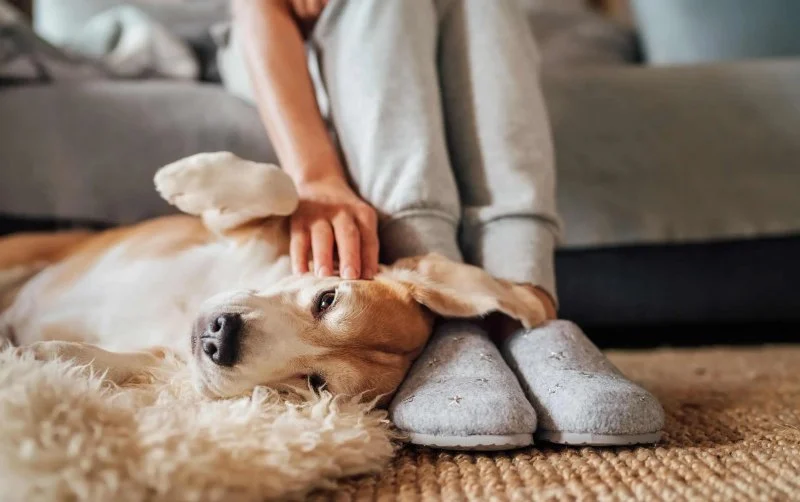
Separation anxiety is a common issue that affects many pets, particularly dogs. It occurs when your pet becomes excessively anxious or distressed when left alone. This anxiety can manifest in various behaviors such as excessive barking, chewing, or even self-harming. While it's more common in dogs, other pets like cats or rabbits can experience separation anxiety too.
For pet owners, understanding the root causes of separation anxiety is the first step toward helping your pet manage their distress. The condition can arise due to factors like changes in routine, past trauma, or a lack of proper training. Addressing the issue early can prevent more severe behaviors from developing.
2. Identifying the Symptoms of Separation Anxiety
Recognizing the signs of separation anxiety in pets is crucial to managing the condition. Some common symptoms of separation anxiety include:
- Excessive barking or howling: Your pet may bark or howl when you leave the house, often continuing for long periods.
- Destructive behaviors: Chewing on furniture, doors, or shoes when you're gone is a common sign of anxiety.
- Potty accidents: Pets with separation anxiety may urinate or defecate in inappropriate places, even if they're house-trained.
- Pacing or restlessness: Your pet may display signs of restlessness, such as pacing back and forth when you prepare to leave or after you've left.
- Escaping attempts: Some pets may try to escape from crates, doors, or windows when left alone in an attempt to find you.
If you notice these symptoms consistently, it's essential to take steps to help your pet overcome their anxiety. The longer the issue persists, the harder it can become to manage.
3. Strategies to Help Your Pet Overcome Separation Anxiety
There are several strategies you can employ to help your pet manage and eventually overcome separation anxiety. It's important to approach this issue with patience and consistency. Here are a few techniques:
- Gradual desensitization: Slowly get your pet accustomed to being alone by leaving them for short periods and gradually increasing the duration. This helps them learn that being alone isn't something to fear.
- Provide a safe space: Create a designated area where your pet feels safe and comfortable, such as a cozy bed or crate. Make it a positive environment with toys, blankets, or calming scents.
- Exercise and stimulation: Ensure your pet gets plenty of physical and mental stimulation. A tired pet is less likely to exhibit anxious behaviors when left alone.
- Interactive toys and puzzles: Use toys or puzzles that keep your pet engaged while you're away. These can provide a distraction and reduce anxiety.
- Calming aids: There are various calming products available, such as pheromone diffusers, calming collars, or even certain herbal supplements, which can help soothe anxious pets.
4. When to Seek Professional Help
If your pet's separation anxiety is severe or doesn't improve with basic interventions, it may be time to seek professional help. A veterinarian or animal behaviorist can assess your pet's condition and suggest further treatment options, such as:
- Behavioral therapy: A professional can help design a personalized behavior modification plan for your pet.
- Medication: In some cases, medication may be recommended to help manage anxiety symptoms while working on behavioral training.
- Training classes: Professional training classes can help teach your pet to be more independent and reduce anxiety over time.
Seeking help early can prevent long-term behavioral issues and improve the quality of life for both you and your pet.
5. Conclusion
Separation anxiety is a serious condition that can affect your pet's well-being, but with patience and the right strategies, it is manageable. By recognizing the signs early and using proven techniques, you can help your pet feel more comfortable when left alone. Remember to always approach your pet's anxiety with empathy and consistency. If necessary, don't hesitate to seek professional help to ensure the best possible outcome for your furry friend.
For more tips and the best products to help your pet, visit Brothers Pets for expert advice and trusted solutions to keep your pets happy and healthy.





 Banfield Pet Hospital3.0 (224 reviews)
 Lakeview Veterinary Clinic4.0 (164 reviews)
 Toadally Frogs LLC4.0 (289 reviews)
 Pembroke Animal Hospital4.0 (331 reviews)
 Hershey Veterinary Hospital4.0 (366 reviews)
 Petland Batavia3.0 (314 reviews)
 Senior Dog Joint Health: Supplements, Gentle Exercises, and Home Care for Better Mobility
 Common Mistakes in Pet Adoption and How to Avoid Them
 Understanding Canine Hip Health and Exercise Needs: Key Insights
 How to Care for Your Pet's Eyes and Ears
 Top 11 Tips for Veterinary Advice Every Pet Owner Should Know
 How to Choose the Right Pet Boarding Facility | Brothers Pets