
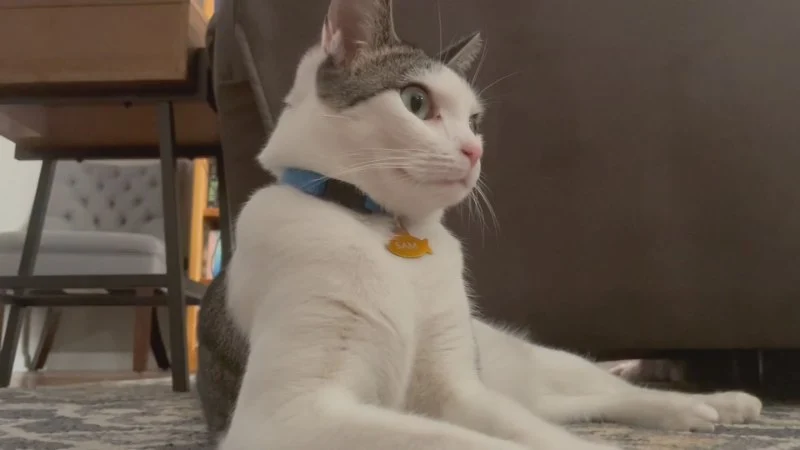
How to Make Your Home Safe for Senior Pets
- 1- Why Safety for Senior Pets is Essential
- 2- Key Adjustments to Make Your Home Pet-Friendly
- 3- Preventing Common Injuries in Senior Pets
- 4- Health Considerations for Senior Pets
- 5- Conclusion: Prioritizing Your Senior Pet’s Well-being
1- Why Safety for Senior Pets is Essential
As pets age, their physical and cognitive abilities change, making them more vulnerable to injury and discomfort. Senior pets, just like elderly humans, require special care to maintain a safe and comfortable environment. This is especially true for dogs and cats, who may develop arthritis, vision loss, or other health issues that make navigating their surroundings challenging.
It's important to recognize these changes and make the necessary adjustments in your home to ensure your senior pets' safety and well-being. Simple home modifications can drastically improve their quality of life, reduce the risk of injury, and prevent unnecessary stress. In this guide, we’ll share essential tips to create a pet-friendly space that accommodates their evolving needs.
2- Key Adjustments to Make Your Home Pet-Friendly
Creating a safe environment for your senior pets starts with assessing your home and identifying areas that may pose risks. Here are a few adjustments you can make:
- Non-slip flooring: As your pet ages, their balance may become unstable. Consider installing non-slip rugs or mats, especially in areas like the kitchen, bathroom, and hallway.
- Ramps and stairs: For pets that struggle with jumping onto furniture or climbing stairs, adding ramps or pet stairs can help them access their favorite spots without straining their joints.
- Safe resting spaces: Make sure your senior pet has easy access to a comfortable bed or blanket in a quiet, low-traffic area. Soft, orthopedic beds are great for relieving pressure on joints.
3- Preventing Common Injuries in Senior Pets
Older pets are more prone to injuries, especially as their muscles and joints weaken. To minimize the risk of falls and other accidents, consider the following:
- Clear the clutter: Ensure that walkways are free from obstacles such as furniture, toys, or cords. This reduces the chances of your pet tripping or stumbling.
- Proper lighting: Many senior pets experience vision loss, so it's important to have adequate lighting in every room. Use nightlights to guide them during nighttime bathroom breaks.
- Regular exercise: While your pet may not be as energetic as they once were, regular, low-impact exercises like short walks or gentle play sessions can help maintain muscle tone and joint flexibility.
4- Health Considerations for Senior Pets
As your pet ages, they may develop specific health conditions that require attention. Here are some common health issues and how to manage them:
- Arthritis: Many senior pets suffer from arthritis, which can lead to pain and stiffness. Joint supplements, prescription medication, and gentle exercises can help manage symptoms.
- Vision and hearing loss: If your pet is experiencing vision or hearing loss, avoid sudden changes in their environment. You can also use voice commands or touch signals to communicate with them.
- Dental care: Senior pets are at risk for dental disease, which can lead to painful abscesses and other health complications. Regular dental checkups and appropriate chew toys are essential.
5- Conclusion: Prioritizing Your Senior Pet’s Well-being
By making small but impactful changes to your home and lifestyle, you can greatly improve your senior pet’s safety, comfort, and overall quality of life. Regular veterinary checkups, along with a pet-friendly environment, can help ensure that your furry companion enjoys their golden years without unnecessary pain or discomfort.
For more tips and products designed to support your senior pet’s needs, visit Brothers Pets to find the best options for creating a safe and comfortable home environment.





 Alpine Animal Hospital PC: Clark Dale C DVM0.0 (0 reviews)
 River Oak Vet4.0 (163 reviews)
 Bonsack Veterinary Hospital4.0 (141 reviews)
 Pet Care In Motion4.0 (20 reviews)
 Veterinary Clinic Of The Mineral Area4.0 (884 reviews)
 Shark Reef4.0 (201 reviews)
 How to Choose the Right Pet Boarding Facility | Brothers Pets
 Understanding the Importance of Omega in Pet Diets
 How to Introduce Cats to Each Other Without Fights – A Step-by-Step Guide
 How to Choose the Best Dog Breed for Your Family’s Lifestyle
 Expert Advice on Emergency Pet Care Every Owner Should Know
 Best Practices for Potty Training Your Puppy Successfully